
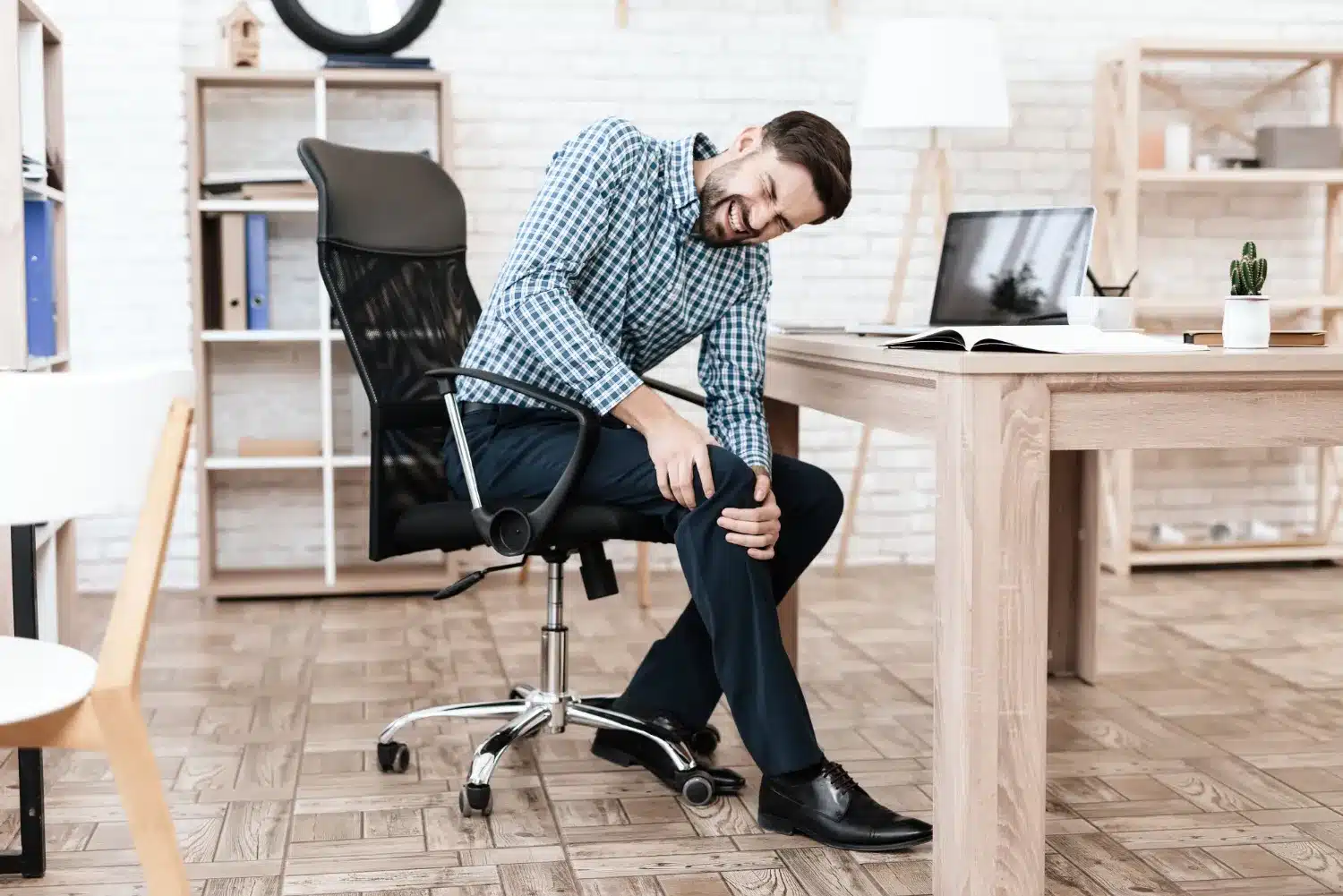
Your knees may feel stiff, heavy, or painful when you stand up after hours of sitting at a desk, and the discomfort may ease after walking a few steps. You may spend a lot of time sitting each day because of office work, commuting, or long screen time. So the question may come to mind: can sitting so much cause knee pain?
Sitting for long periods may be linked to knee discomfort in some people, especially when daily movement is reduced. In this guide, you'll learn how sitting too much can contribute to knee discomfort, what habits can make the issue more noticeable, and what practical steps you can take if you have knee pain.
Why Can Sitting Too Much Cause Knee Pain?
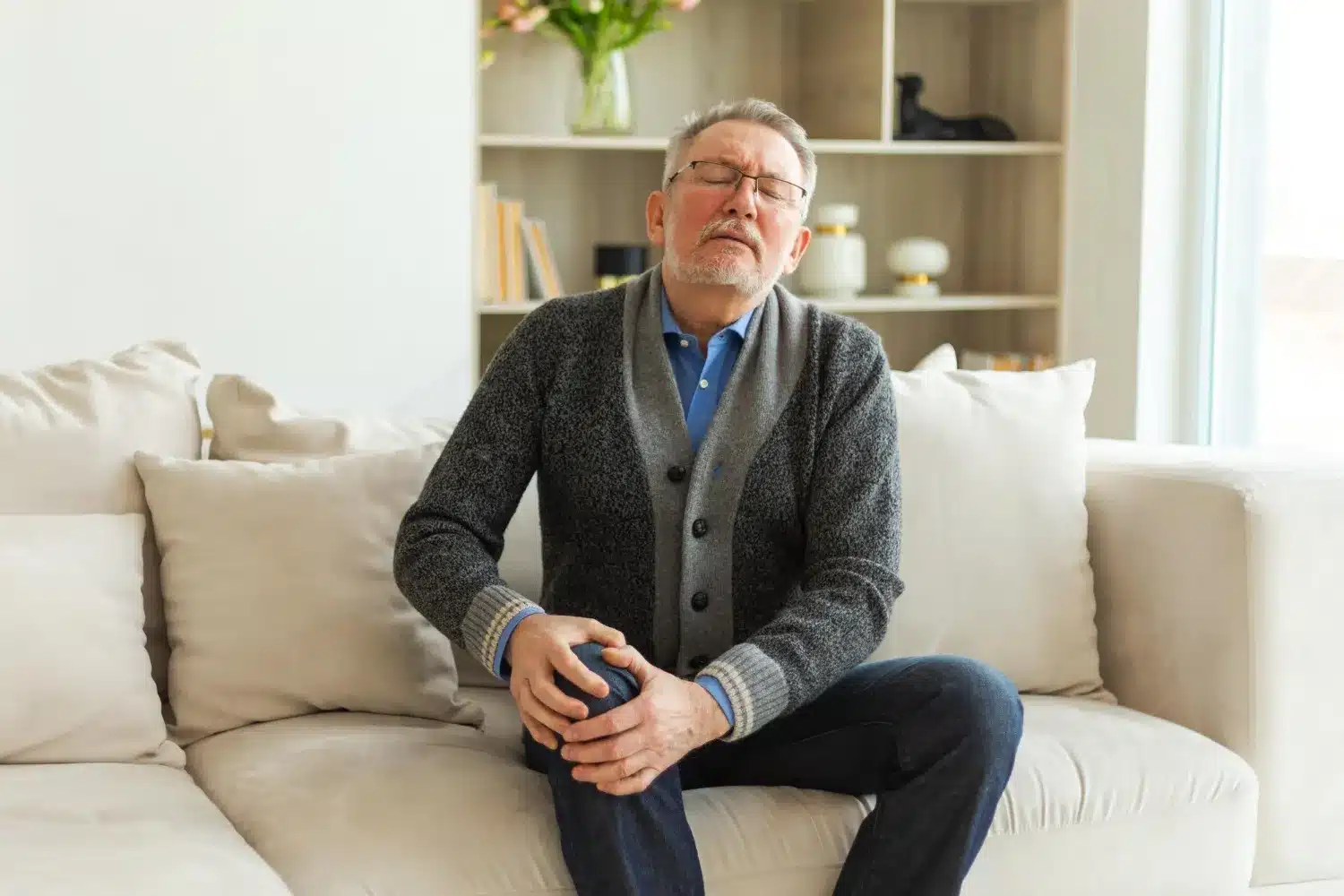
If you sit for a long time, your knees stay flexed. This prolonged inactivity can reduce normal knee movement and cause stiffness. At the same time, the muscles and tendons around your knee may feel stiff or tight.
Sitting for long periods of time can also put sustained pressure on the knee joint. If you have muscle weakness or pre-existing joint problems, this position can make joint pain more noticeable. Therefore, when you stand up after sitting for a long time, you may feel more stiffness or pain in your knees. Walking a few steps may help ease the discomfort as movement returns.

What Can Cause Knee Pain After Sitting?
Patellofemoral Pain
Patellofemoral pain can usually cause discomfort in the kneecap or front of the knee. Pain may be more noticeable after prolonged sitting. Muscle imbalance and movement patterns can also contribute.
Osteoarthritis
If you have osteoarthritis, your knees may feel stiff after inactivity. Although it becomes more common with age, it is not just a problem for older adults. If you already have joint changes, sitting for long periods can make symptoms more noticeable.
Muscle Weakness or Tightness
If you move less, the strength and conditioning of your quadriceps, hamstrings, and glutes or hip muscles may decrease. At the same time, some muscles may tighten, which can affect knee movement and comfort.
Previous Injury or Other Knee Problems
If you have a previous knee injury, inflammation, meniscus problems, or other knee conditions, pain or stiffness may increase after sitting. If symptoms persist, you may need an assessment.
Does Your Sitting Position Make Knee Pain Worse?
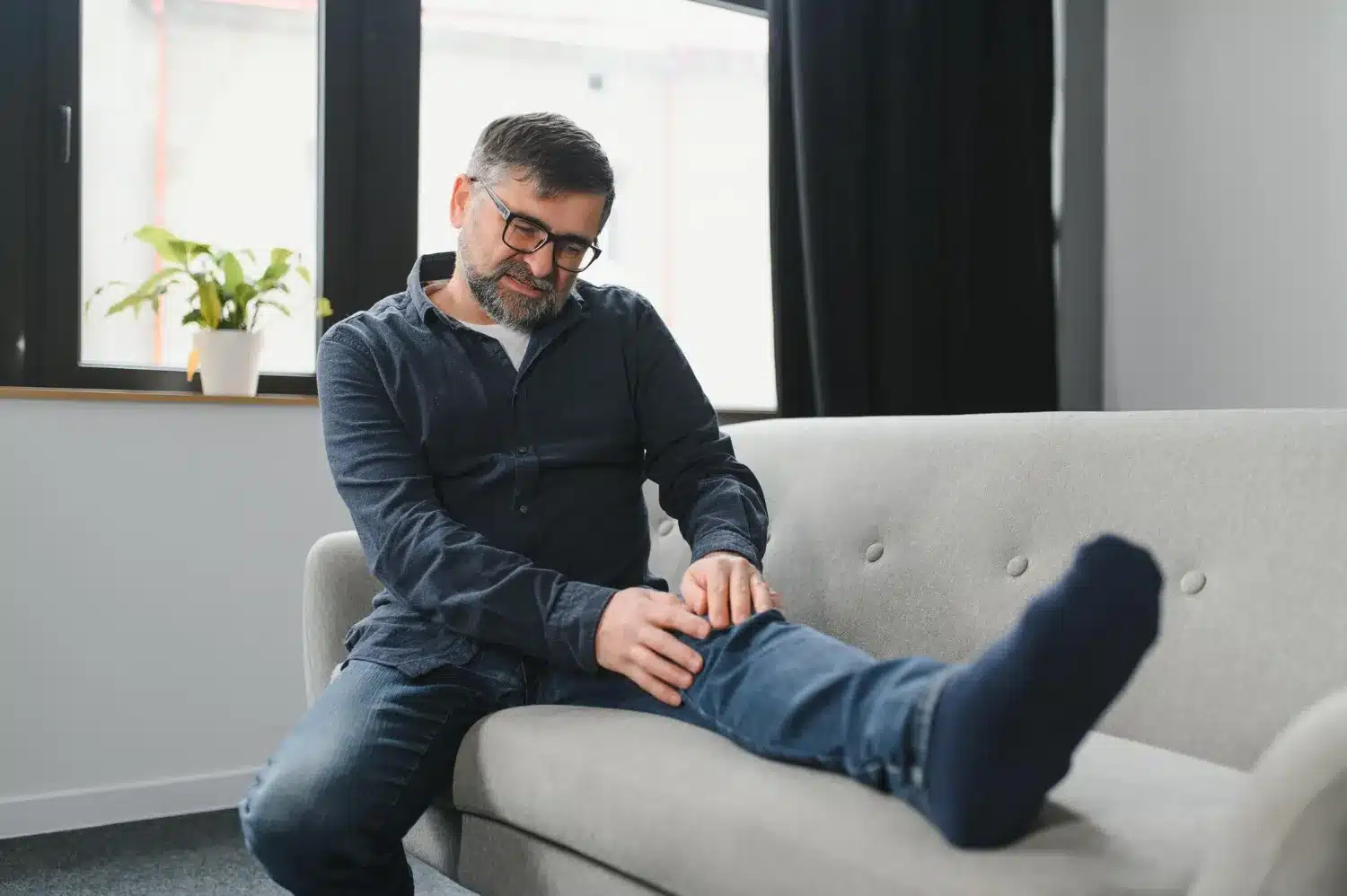
Your sitting position can sometimes increase knee pain or stiffness. Keeping your knees bent for long periods, sitting with your legs crossed, or holding an awkward position can put uncomfortable pressure on your knees. Choose a chair height where your hips and knees are comfortable and both feet are flat on the floor. Keep your knees and feet relaxed, and avoid staying in the same position for long periods. Change your leg position occasionally, stand up, or walk around a bit. The goal is not to hold a specific "perfect" position, but rather to not keep your knee in the same position for too long.

How Can You Reduce Knee Pain From Sitting Too Long?
1. Take Regular Movement Breaks
Instead of sitting for long periods, stand up regularly, take short walks, or move around for a few minutes.
2. Change Your Sitting Position
Change the position of your legs, hips, and knees occasionally, rather than staying in the same position for long periods.
3. Keep Your Feet Supported
Keep your feet flat on the floor, and use a chair height that comfortably supports your feet and knees.
4. Add Gentle Movement and Stretching
Add gentle knee, leg, and hip movements or stretching to your routine, but stop the movement if pain increases.
5. Strengthen the Muscles Around Your Knee
Strengthening muscles like the quadriceps, hamstrings, and glutes can help improve knee movement and support.
6. Review Your Workstation Setup
Review your chair height, desk position, and foot support to maintain a comfortable sitting position.
When Should You See a Physiotherapist for Knee Pain From Sitting?
If your knee pain recurs frequently, if pain or stiffness persists after you stand up, or if stiffness gradually increases, consider a physiotherapy assessment. Even with swelling, weakness, or limited knee movement, a professional assessment may be useful. If pain affects your daily activities or work, or if symptoms do not improve despite practical changes, seek advice from a physiotherapist.
How Physiotherapy Can Help
Physiotherapy can start with a personalized assessment of your knee pain. A physiotherapist can assess your movement, strength, flexibility, and knee function to understand what may be contributing to your symptoms. An appropriate treatment plan can then be created based on the findings of the assessment.
If necessary, this plan may include exercises to strengthen the knee-supporting muscles, mobility and flexibility work, and manual therapy if appropriate. You can also get practical advice on how you sit, walk and move. The aim is to help you gradually return to your normal activities and manage knee function and movement in the long term.
Sitting for long periods of time may be associated with knee pain or stiffness in some people. If your knee pain returns after you get up from sitting or affects your work and daily activities, it may be helpful to have it assessed in more detail. At MB Massage & Physiotherapy Centre, we can create a personalized physiotherapy approach by assessing your knee movement, strength, flexibility, and contributing factors.