
In today's busy life, sitting at a desk for long periods of time, leaning on a smartphone, all of which gradually tire the body. Neck, shoulder, and back tension have become a daily problem for many people today. According to NHS data, about 65% of adults in the UK regularly suffer from stress or tension-related muscle tension.
In this situation, Swedish massage is not just for an hour of relaxation; it is a natural way to restore balance to the body and mind. Let's find out how this massage method can revitalize your tired body and exhausted mind.

Why Swedish Massage Is More Than Just Relaxation
Many people think of Swedish massage as just a way to relax or de-stress. But in reality, it is much more effective than that. It is one of the oldest and most widely used therapeutic massage methods in the world. People have used it for a long time to maintain overall body wellness.
The main goal of this massage is not just to provide relaxation, but also to restore muscle recovery, improve blood circulation, and restore mental peace. It gradually reduces tension within the body, increases oxygen flow, and keeps muscles flexible.
Swedish Massage Physical Benefits
Swedish massage activates the body's inner energy. Below are some of its most effective physical benefits, which many people experience from the very first session.
Relieves Muscle Tension
Swedish massage eases the tension and pain that build up in your back, neck, and shoulders when you sit for too long or adopt poor posture. It releases stress and knots deep within the muscles, leaving the body feeling relaxed and light.
Boosts Circulation
Regular massage increases blood circulation and improves oxygen supply to cells. This results in the removal of toxins or lactic acid, faster muscle recovery, and an overall feeling of more energy.
Improves Joint Flexibility and Posture
Swedish massage increases the flexibility of the body's joints and muscles. It is very beneficial for those who regularly work sitting or have poor posture, as it helps maintain proper posture and reduce stiffness.
Speeds Up Recovery After Physical Activity
Swedish massage relieves muscle tension and speeds recovery after exercise, running, or other strenuous physical work, making it popular among many athletes and gym users.
Detoxifies the Body Naturally
This massage activates lymphatic circulation, which helps remove accumulated waste and toxins from the body. This results in brighter skin, a balanced body, and leaves you feeling refreshed from within.
Mental and Emotional Benefits
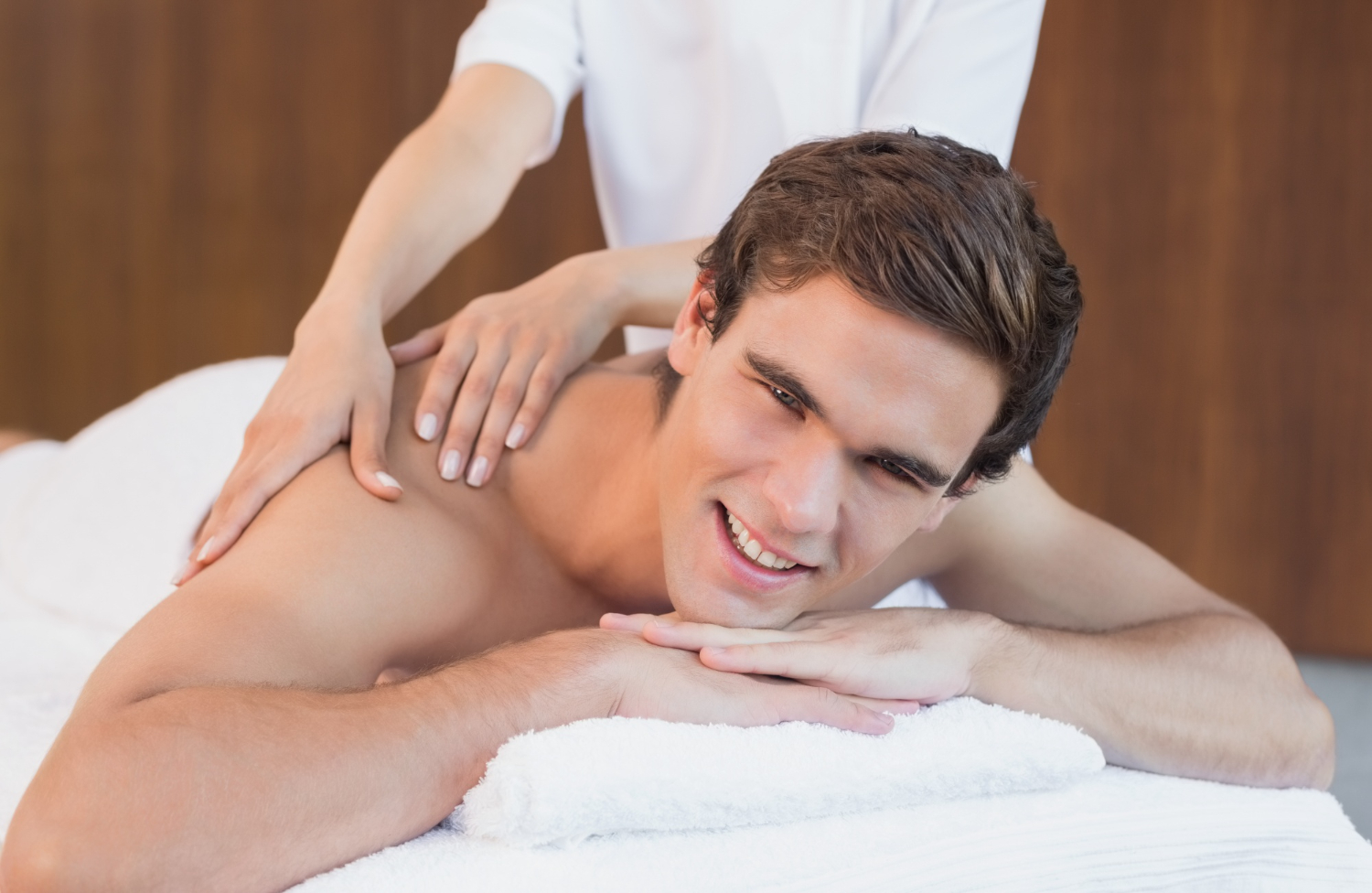
Swedish massage also has a profound positive effect on the mind. Modern research has shown that regular massage reduces cortisol levels and increases serotonin and dopamine, thereby improving mood, attention, and sleep quality.
When and How Often Should You Get?
In general, getting a Swedish massage once every 2-3 weeks provides good results, helping maintain blood circulation, keep muscles flexible, and support overall well-being.
However, those who have regular muscle tension or pain can take weekly sessions if they wish, as this will help the body relax quickly and reduce the tendency to accumulate tension in the long term.
Many clients in the Rugby area book regular sessions at MB Massage Therapy to maintain their body's flexibility and mental balance.
Is Swedish Massage Safe for Everyone?
Most people can safely receive a Swedish massage as long as it is performed by a trained, certified therapist. According to NHS guidelines, massage, when performed by a properly trained practitioner, is entirely safe for the body and can help improve mental and physical health.
However, in some conditions you should avoid massage or speak to a doctor first, such as:
- If you have a fever, cold, or infection
- If you have open wounds, cuts, or inflammation on your body
- If you have high blood pressure or heart disease
- If you have a history of varicose veins, recent surgery, or bone fractures
- If you are taking blood-thinning medication (anticoagulant)
If you have a medical condition or long-term illness, be sure to consult your GP (General Practitioner) or physiotherapist before getting a massage.
How It Differs from Deep Tissue Massage
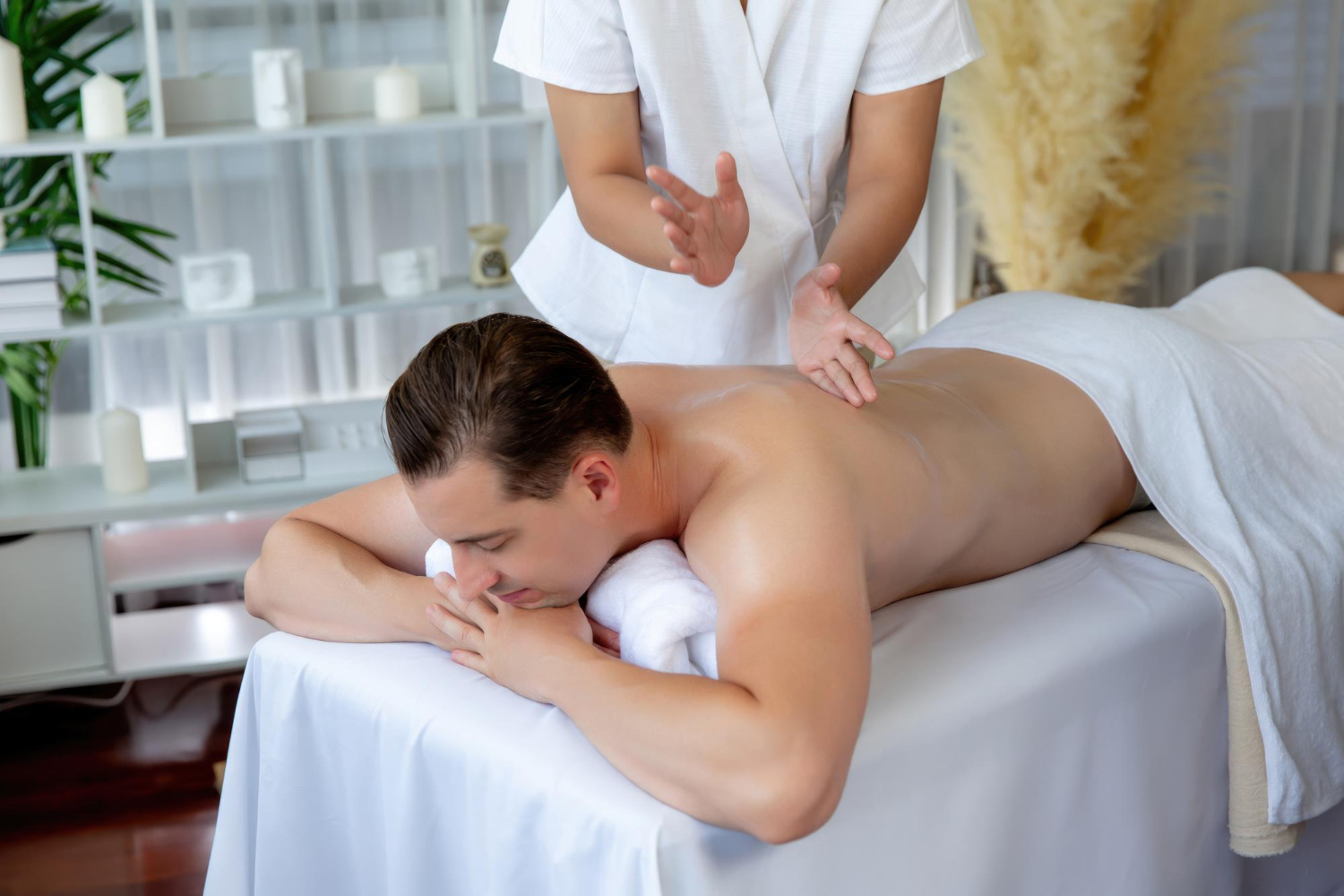
Many people think that Swedish massage and Deep Tissue massage are the same. Still, in fact, their purposes and effects are entirely different.
|
Feature |
Swedish Massage |
Deep Tissue Massage |
|
Pressure Type |
Mild to moderate |
Deep and intense |
|
Purpose |
Relaxation and overall comfort |
Reduce chronic pain and muscle tension |
|
Focus Area |
Whole body (generally) |
Specific muscles or painful areas |
|
Technique |
Effleurage, kneading, rhythmic strokes |
Deep pressure, slow strokes, trigger point focus |
|
Pain Level During Session |
Almost none |
There may be slight discomfort at times. |
|
Ideal For |
Mental peace, stress relief |
Chronic pain, posture imbalance, and injury recovery |
If you want to relax both your body and mind, Swedish massage is the right choice for you.

What Rugby Residents Say About Swedish Massage
Many residents of Rugby regularly receive Swedish massage to maintain balance in their bodies and minds. Their experience shows that this therapy not only relieves fatigue but also brings new energy and peace to daily life.
“After a long week, my Swedish massage session felt like a full reset. My back and shoulders finally feel free again.” – ⭐⭐⭐⭐⭐ Rugby client
“The therapist was calm, professional, and really understood where the tension was. I could sleep peacefully that night for the first time in weeks.” – ⭐⭐⭐⭐⭐ Verified Google review
“I booked it thinking it would just relax me, but it actually helped with my posture and neck pain too. Highly recommend!” – ⭐⭐⭐⭐⭐ Local visitor, Clifton Rd
👉 Feeling stressed or tired?
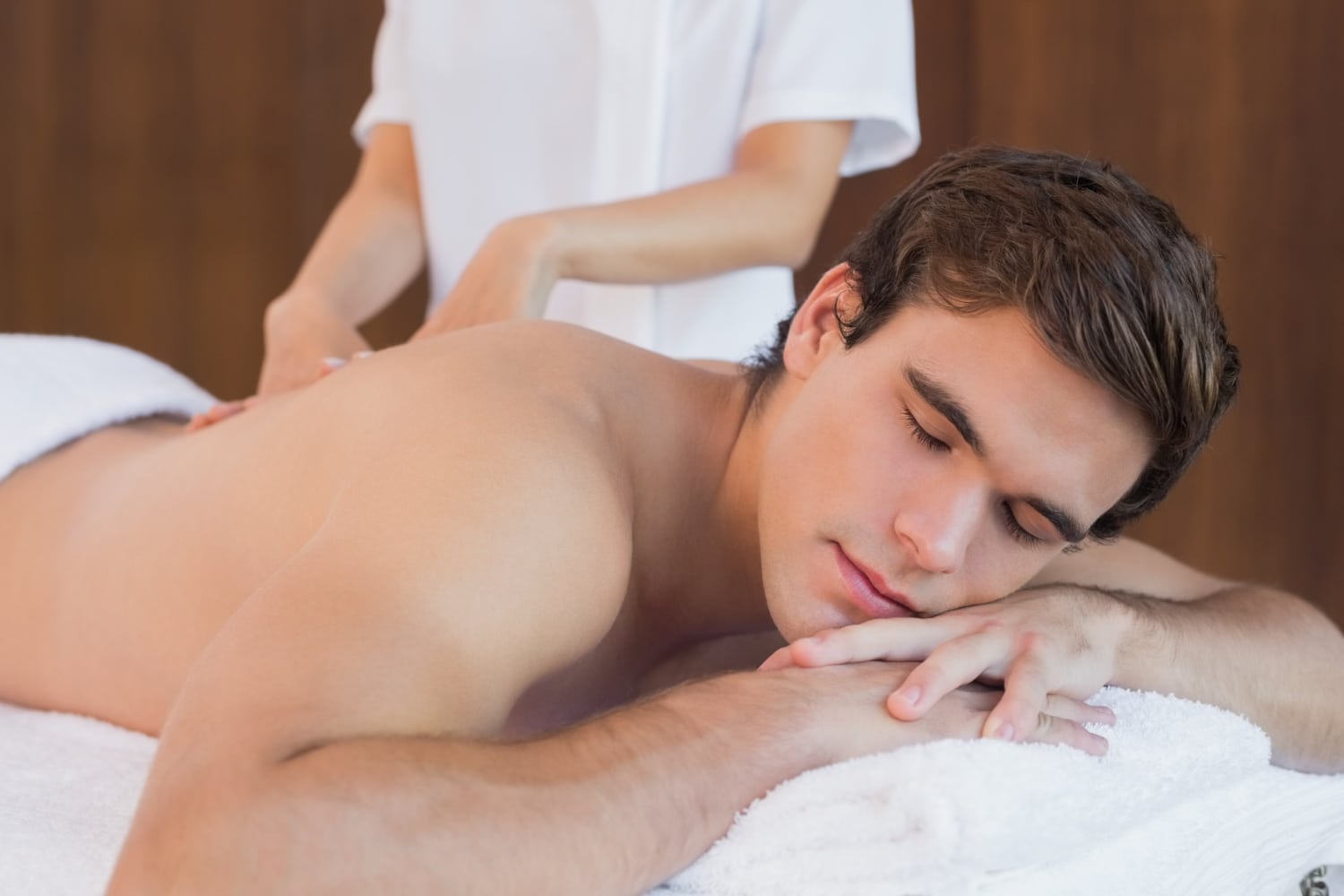
Experience the same comfort and relief right here in Rugby.
Book your Swedish massage today at MB Massage Therapy and discover how gentle touch can restore deep balance to your body and mind.
FAQs
How often should you get a Swedish massage?
In general, taking it once every 2–3 weeks is sufficient.
Can everyone take this?
Most people can take it. However, if you have a fever, skin inflammation, or high blood pressure, you should consult a doctor first.
What should you do after a Swedish massage?
Drink plenty of water after the massage. This helps to flush out toxins from the body. Avoid heavy meals and exercise for a few hours, and give your body a rest.