
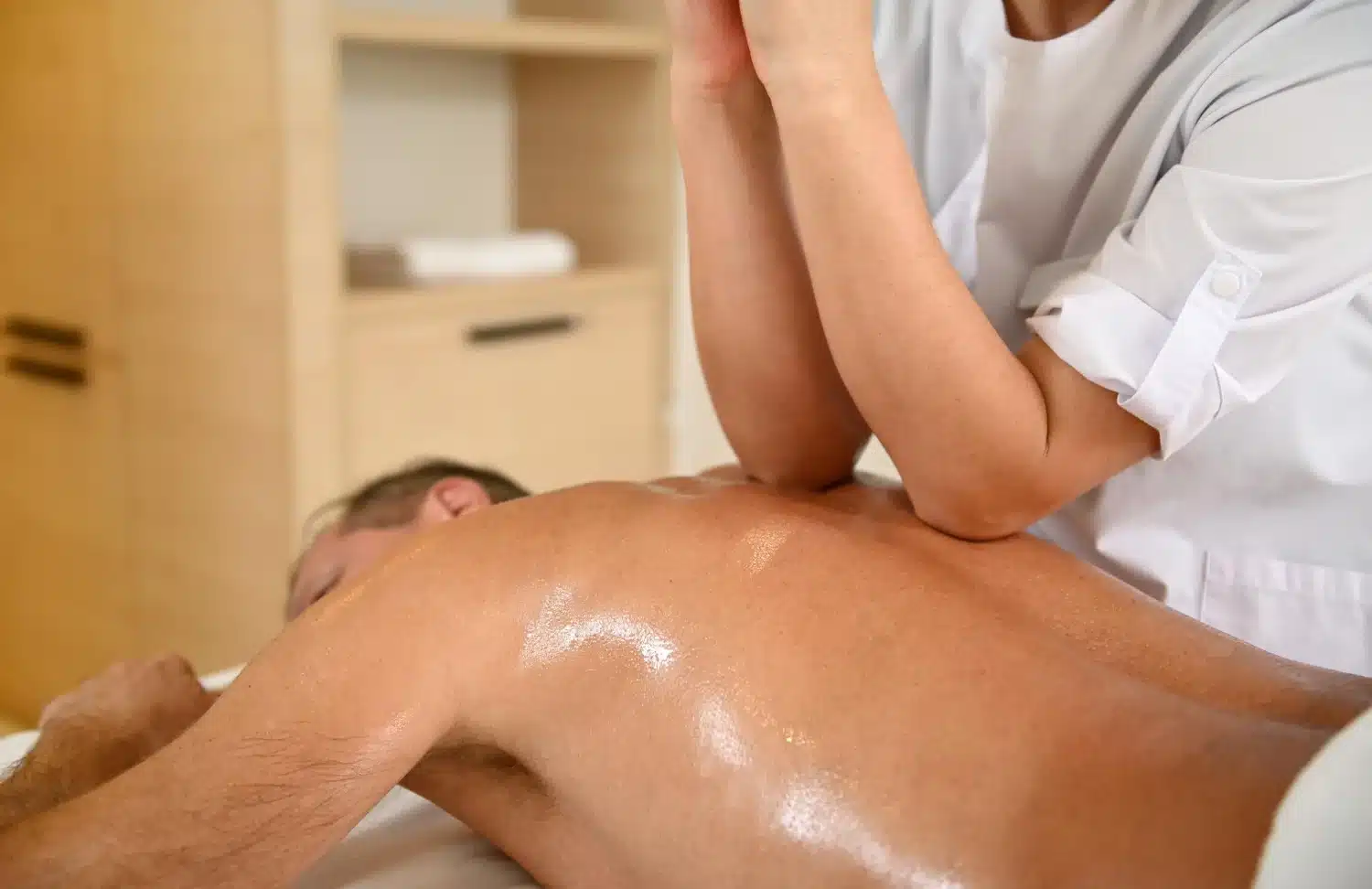
After a tough workout or training session, the body feels heavy, muscles feel tight, and aches and pains don't go away easily. No matter how regularly you exercise, after each session, stress builds up in the body, which needs proper recovery. Many people in Rugby, UK, are now beginning to understand that recovery is not just about rest, but about using methods that help the body return to normal quickly. Lymphatic drainage massage is slowly gaining popularity in this area.
But the question is:
- How does it actually work after exercise?
- How is it different from other recovery methods?
Let's understand this.
What does the lymphatic system do?
To understand this, we first need to understand how the lymphatic system actually works. Simply put, this system acts like a “drainage network” inside your body.
Its main functions are:
- Removing waste and toxins from the body
- Supporting the immune system
- Maintaining the body's fluid balance
It gradually removes accumulated substances from muscles and tissues, keeping the body clean and balanced. When this system works properly, the body can recover quickly and function better overall.

What happens to the body after exercise?
When you exercise or engage in physical activity, your body breaks down energy and creates stress on your muscles.
This results in some changes:
- Some waste products, like lactic acid, start to accumulate
- Minor stress or fatigue develops in the muscles
- Increased need for blood transfusions
If recovery is not done properly after this condition, some problems may gradually arise:
- Muscle pain
- Stiffness or tension
- Decreased movement
This condition is commonly called DOMS (Delayed Onset Muscle Soreness), which many people experience 24-48 hours after a workout.
How does Lymphatic Drainage help after exercise?
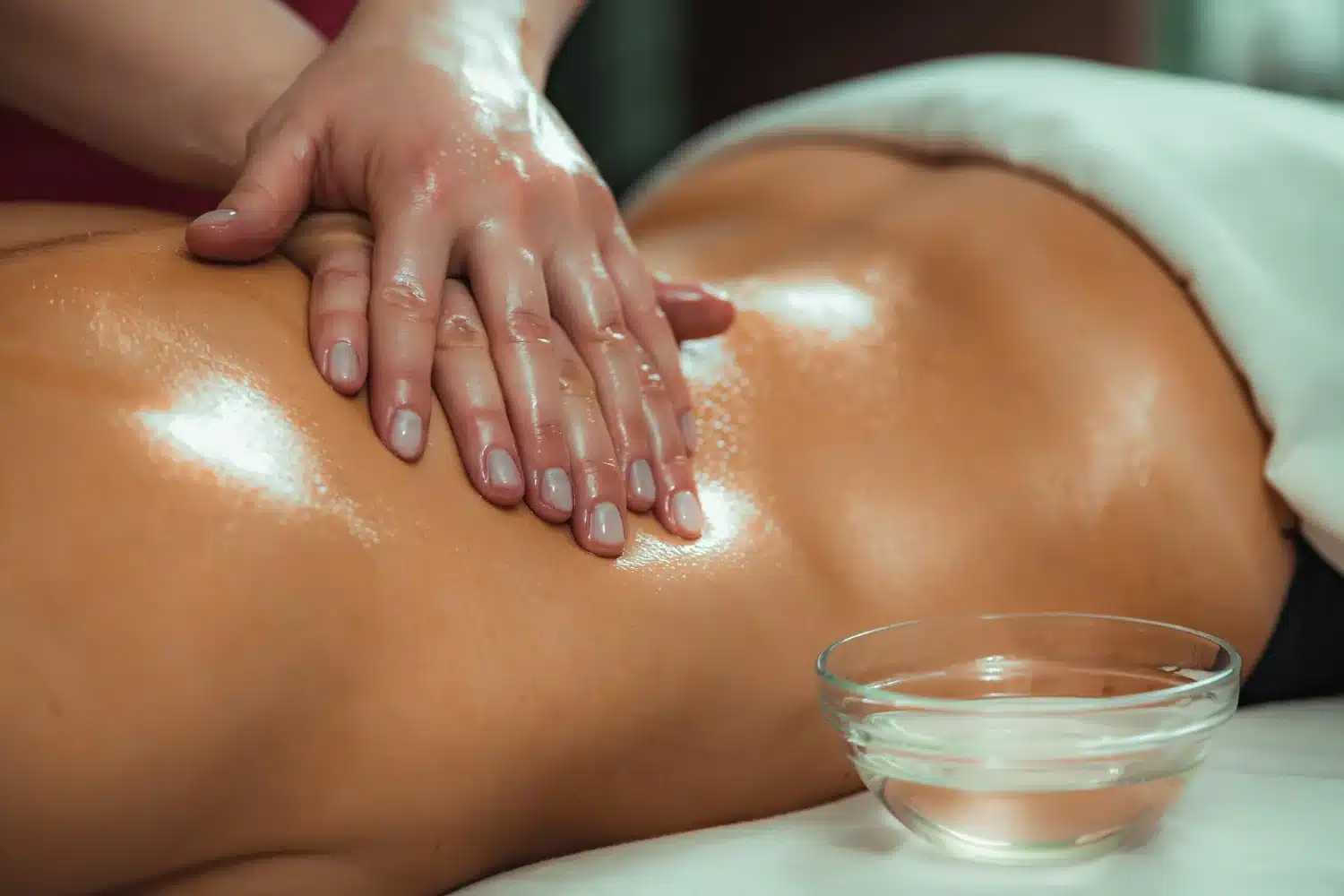
Lymphatic drainage therapy supports your body's natural recovery process. It is effective at clearing the stress and waste that accumulate in the body after exercise.
1. Helps eliminate waste products
After exercise, some waste products, such as lactic acid, build up in the body. Lymphatic Drainage moves these substances through the system so the body can eliminate them more easily.
2. Improves blood circulation and oxygen flow
When blood circulation is good, oxygen and essential nutrients reach the muscles quickly, allowing tired muscles to recover faster.
3. Reduces muscle tension and swelling
This therapy improves the flow of fluids within the body.
As a result:
- Decreased muscle strength
- This process reduces swelling.
- Less discomfort after exercise
4. Supports tissue repair process
Muscles need time to repair themselves after strenuous activity. Lymphatic Drainage helps deliver nutrients and speed up the recovery process, so the body returns to normal faster.
Why is Lymphatic Drainage necessary if the body can recover on its own?
Your body naturally recovers. But in reality, this process is often slowed down, especially when you:
- Train regularly
- Workout beyond your limits
- Not getting enough time to recover
In this situation, the body's natural recovery system can't always keep up. This is where lymphatic Drainage plays a supporting role.
It helps:
- To speed up recovery
- To reduce pain and discomfort the next day
- To prepare the body for the next session
How does Lymphatic Drainage actually work?
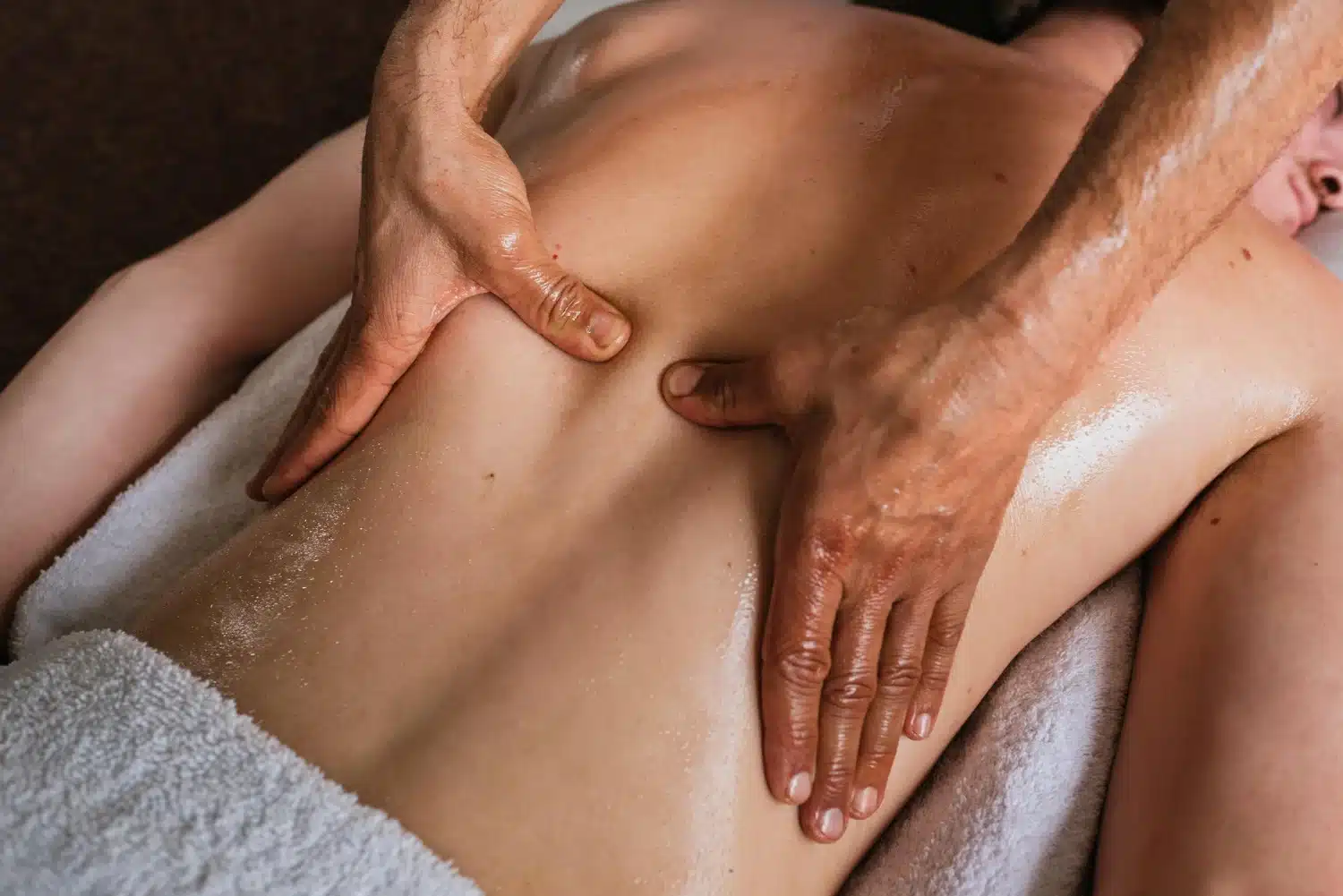
This therapy uses gentle, controlled techniques on specific areas of the body to help lymph fluid move naturally. Simply put, it activates the body's drainage system to help drain away accumulated fluids and waste products. Typically, it targets key areas like the legs, hips, and shoulders, where you feel the most stress after exercise. This process increases fluid flow to the lymph nodes, allowing waste products to drain slowly from the body. This allows the body's natural drainage system to function more effectively, thereby speeding recovery.
Lymphatic Drainage vs Sports Massage
Many people consider these two types of therapy to be the same. In fact, their functions and purposes are different.
The table below shows the difference:
|
Subject |
Lymphatic Drainage |
Sports Massage |
|
Focus |
Blood circulation and fluid movement |
Muscle tension and stress |
|
Pressure |
Light and rhythmic |
Deep and specific application |
|
Goal |
Recovery and body cleansing |
Reduce muscle tension |
|
Suitable |
Swelling, fatigue, recovery |
Tight muscles |
Who can benefit from Lymphatic Drainage?
This therapy can be beneficial not only for athletes, but for many types of people. It can especially be useful for those who:
- Those who exercise regularly or go to the gym
- Those who experience muscle fatigue or stiffness
- Those recovering from physical stress or strain
- Those who want to improve blood circulation and overall body health
Lymphatic Drainage is just as important as recovery training. Helping the body recover properly after regular exercise improves performance and reduces the risk of injury. Lymphatic Drainage is a gentle but effective method that helps remove waste products from the body, improve blood circulation, and reduce muscle tension. This results in the body recovering faster, feeling lighter, and being better prepared for the next session. When combined with proper hydration, stretching and rest, recovery is even more effective.
If you want to recover quickly and properly after exercise in Rugby, UK, seeking professional help may be a good decision. Getting the right type of treatment based on your body condition, activity level, and goals makes the recovery process much easier and more effective. Book your appointment today, and give your body the recovery it needs.