
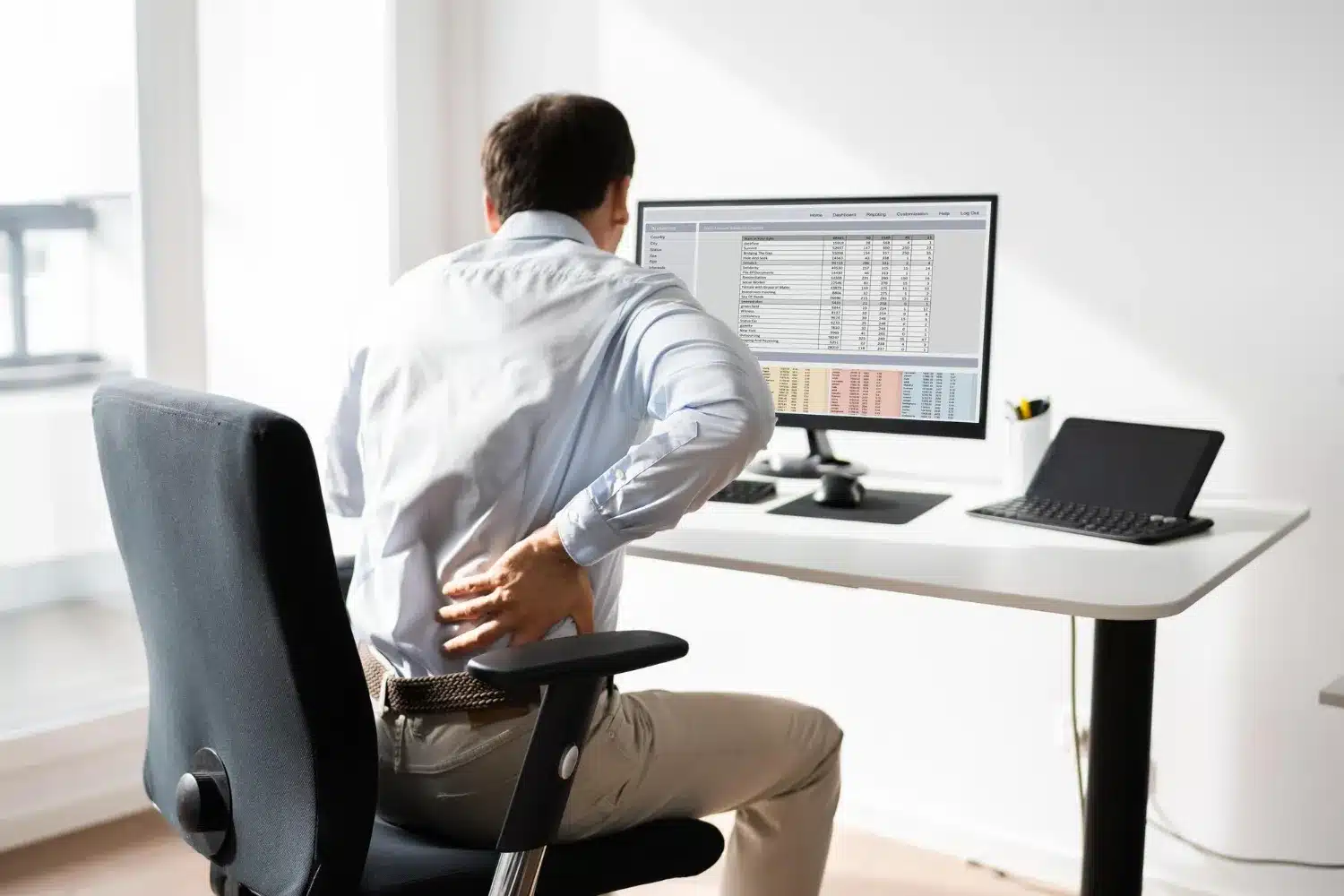
Have you ever had to repeatedly change positions in a chair after sitting for a long time because you couldn't find any relief in your lower back? Many people experience this while working in an office, driving for long periods, studying, or working from home. Lower back pain can become increasingly common, especially when long periods of sitting are part of daily life. Many people look for ways to reduce back pain, but they don't always pay attention to how they sit every day. In fact, your sitting position, posture, and how much pressure you place on your lumbar spine can all affect your lower back comfort.
In this guide, you'll learn the best sitting position for lower back pain, which positions to avoid, and how small adjustments can make sitting more comfortable throughout the day.
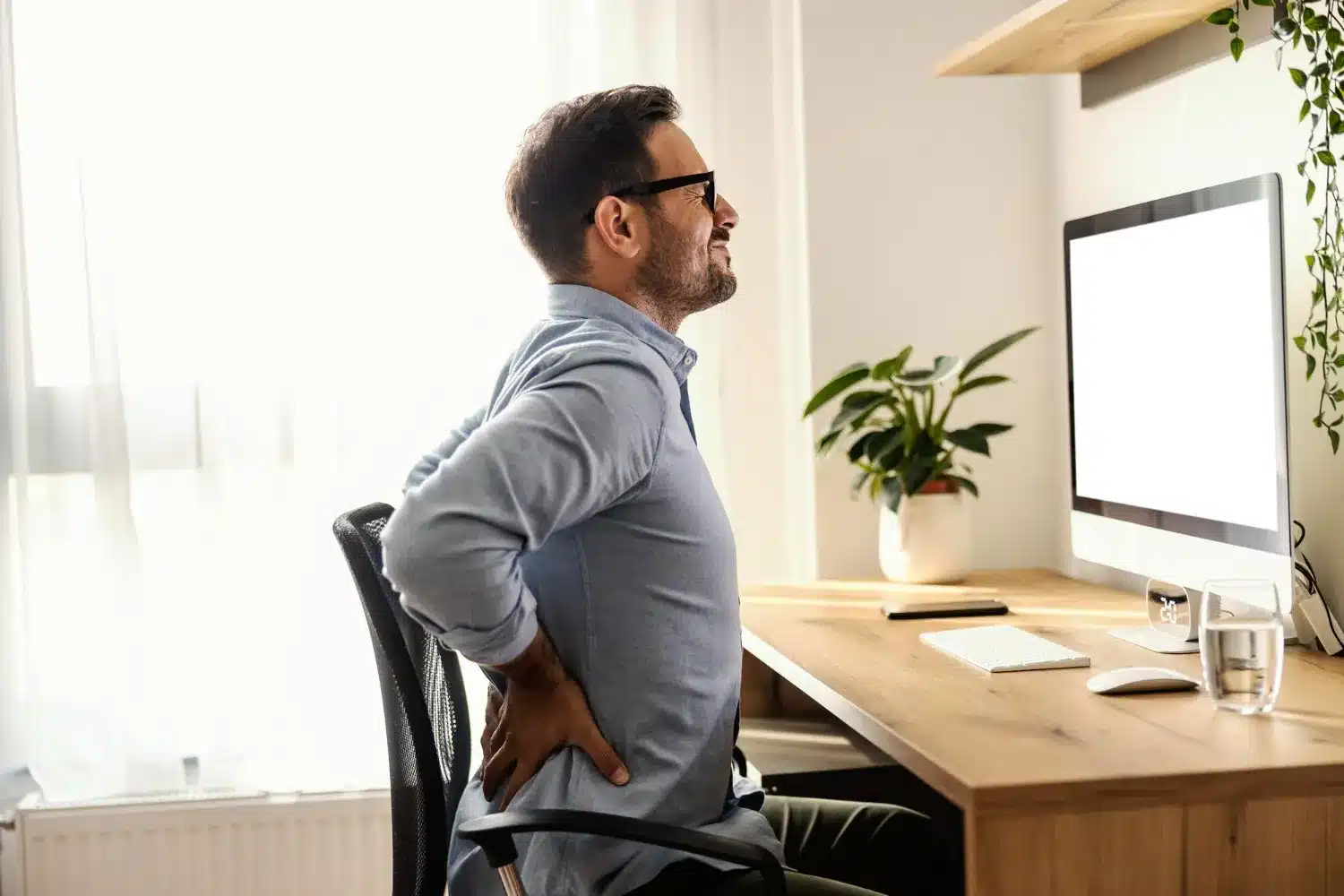
What Is the Best Sitting Position for Lower Back Pain?
To reduce lower back pain, it may be beneficial to keep your feet flat on the floor while sitting, keep your hips and knees at approximately 90°, and use adequate lumbar support. At the same time, it is important to keep the shoulders relaxed, the head in a natural position over the spine, and the body weight evenly distributed. However, maintaining a correct sitting posture, standing up regularly, and avoiding prolonged sitting can help reduce pressure on the waist.
Why Sitting Can Trigger Lower Back Pain
Many people think that the most stress on the lower back comes from standing or doing heavy work. But in reality, sitting for long periods of time can also put significant stress on the lumbar spine. Especially when spending long periods in the same position, various structures in the lower back can endure extra pressure. The pressure on the discs in the back while sitting is often greater than people realise. If you have poor posture, such as leaning forward or slouching, this pressure can increase. Over time, you may start to notice stiffness, discomfort, or pain in your lower back.
Additionally, during prolonged sitting, some important muscles become less active, making the spine's support system more dependent on certain parts. Poor sitting habits can make this situation worse. On the other hand, good posture, regular position changes, and getting up and moving around occasionally can help reduce long-term stress on the back. So it's not just how long you sit, but how you sit that matters.
Signs Your Sitting Position May Be Contributing to Lower Back Pain
Not all back pain is caused by sitting. However, some symptoms may indicate that your daily sitting position or workstation setup is exacerbating the problem.
The following symptoms may generally be related to prolonged sitting or improper sitting posture:
Stiffness after sitting: Feeling stiff or less flexible in the back after sitting for a while
Pain when standing up: Feeling discomfort or pain when getting up from a sitting position
Aching lower back at work: Gradually increasing pain in the lower back while working
Pain during driving: Feeling discomfort in the waist after driving for a long time
Needing to constantly change position: Changing sitting positions frequently to find comfort
Tight hips: Feeling stiffness around the buttocks or hips
If these symptoms occur regularly, it may be beneficial to review your sitting posture and daily habits.
What Happens to Your Spine When You Sit?
When you sit, the natural curves of your spine help to balance your body weight. Of these, the natural curve of the lumbar spine or lower back is particularly important, as it supports the upper body.
Maintaining a proper sitting posture helps preserve these natural curves. However, leaning forward or hunching over for long periods can alter the pressure distribution on the lumbar spine. This results in increased spinal loading in some areas, which can lead to discomfort or fatigue over time. This is why not only a comfortable chair, but also proper sitting posture and regular movement are important for back health.
The Best Sitting Position for Lower Back Pain
There is no one "perfect" sitting position for reducing back pain. However, following some basic principles can help reduce unnecessary stress on the back and make it easier to sit more comfortably.
Feet Flat on the Floor
It is best to keep your feet flat on the floor while sitting. This distributes your body weight more evenly and maintains stability. If your feet still don't reach the floor after adjusting the chair height, a footrest may be beneficial.
Hips and Knees at a 90-Degree Angle
In general, if the hips and knees are at about 90 degrees, the body can be in a more natural position. This can put relatively less pressure on the waist, buttocks, and thighs.
Sit Back in the Chair
Many people work sitting on the edge of their chairs, which means their backs don't get enough support. Try to sit as far back as possible so that your entire back is in contact with the backrest and your lower back gets the support it needs. This full back support can help increase comfort when sitting for long periods.
Keep Shoulders Relaxed
It's important to keep your shoulders relaxed while working. If you repeatedly raise or hunch your shoulders, you can place unnecessary strain on your neck and upper back.
Maintain Neutral Spine Alignment
The most important thing is to keep the spine as normal as possible. Good sitting posture does not mean sitting completely stiffly, but rather a position that allows the body to maintain natural balance. Good posture can help reduce pressure on the back and provide greater comfort when sitting for long periods.
Why Lumbar Support Matters?
There is a natural slight curve in the lower back, which plays an important role in supporting the body's weight and maintaining spinal balance. If you lose this natural curve while sitting for long periods, extra pressure may build up in different parts of your lower back.
Proper lumbar support can help maintain this natural position and reduce unnecessary stress on the spine. This can be especially beneficial for those who work long hours in an office, drive, or work from home.
Worst Sitting Positions for Lower Back Pain
Sitting Without Back Support
Sitting for long periods without back support can strain the back muscles. Sitting for long periods, especially in this position, can lead to increased fatigue and back discomfort.
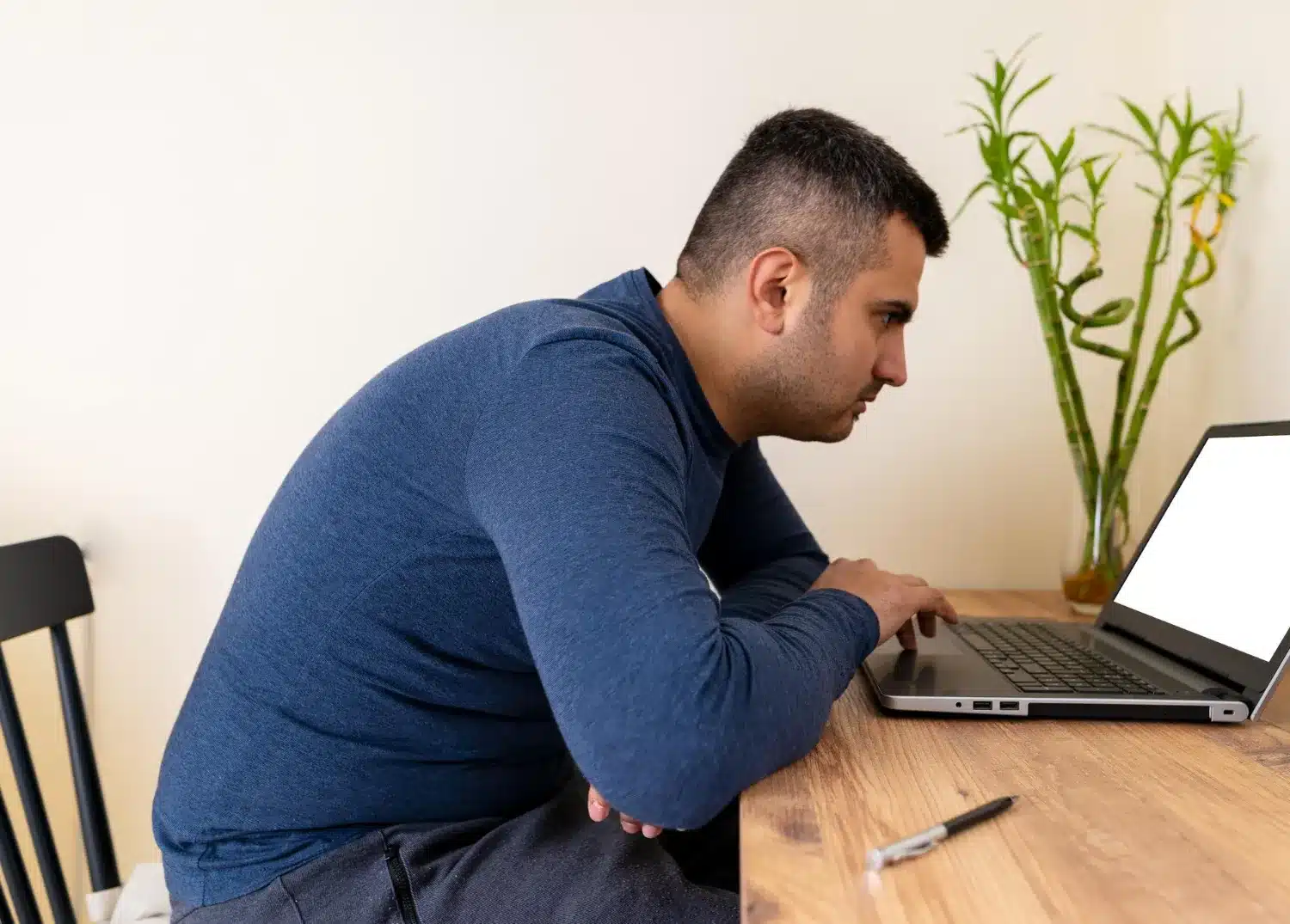
Slumped Sitting
Hunching or leaning forward is one of the poor sitting habits. This condition can alter the normal lumbar spine curve, increasing the likelihood of excessive pressure on various parts of the waist.
Cross-Legged Sitting for Long Periods
Sitting cross-legged for a short time is usually not a problem. However, sitting in the same position for long periods can change your body balance and put uneven pressure on your hips and waist.
One Leg Crossed Over the Other
Many people have the habit of sitting with one leg crossed over the other. But if you stay in the same position for a long time, your body can lean more to one side. This can cause discomfort in the waist, hips, and lower back.
Perching on the Edge of the Chair
Sitting on the very edge of a chair does not provide full back support. This forces your waist and back muscles to work harder. Over time, this can lead to poor sitting posture and increased lower back pain.
How to Set Up Your Chair for Better Back Support?
Proper chair setup can significantly reduce stress on the lower back. Adjust the chair height until your feet rest flat on the floor. If that is not possible, use a footrest. Adjust the seat depth so the seat supports your thighs without putting excessive pressure on the backs of your knees. Set the armrests so your arms rest naturally and your shoulders stay relaxed. If possible, position the lumbar support to support the natural curve of the waist and help reduce excess pressure during prolonged sitting.
Desk and Screen Position: Often Overlooked Causes of Back Pain
Many people focus on sitting posture but often overlook the equally important positions of the desk and screen. In reality, even good sitting posture may not help if you position your monitor too low, place your keyboard too far away, or use a desk at the wrong height.
In these situations, people unknowingly start leaning forward, keeping their shoulders high, or working with their arms overextended. This can put extra pressure on your back, neck, and shoulders. To maintain good posture, it's important to consider not just the chair but the entire workstation's position.
When Lower Back Pain May Need Professional Assessment
For many people, improving sitting posture, making ergonomic changes, and taking regular movement breaks can help reduce back discomfort. However, this is not always the case. Sometimes, even after these changes, lower back pain may persist or recur.
The cause is not always a sedentary lifestyle. In some cases, disc irritation, joint stiffness, muscle imbalance, or reduced mobility can contribute to the problem. Also, long-term restrictions on movement or imbalances in different parts of the body can create additional pressure on the waist.
If the pain persists for a long time, affects your daily activities, or does not improve after you adjust your posture and workstation, consider seeking a more detailed evaluation. A physiotherapist can help you better understand the possible causes of the problem by assessing your movement, strength, flexibility, and body function.
Still Experiencing Lower Back Pain When Sitting?
If lower back pain recurs or persists for a long time even after improving your sitting posture, there may be another cause. In some cases, problems with the spine, joints, muscles, or body movement patterns can contribute to the discomfort.
At Rugby, we help assess potential causes of chronic lower back pain and create a personalised treatment plan tailored to each individual's needs. Finding the root cause of the problem often matters more than simply reducing the symptoms.