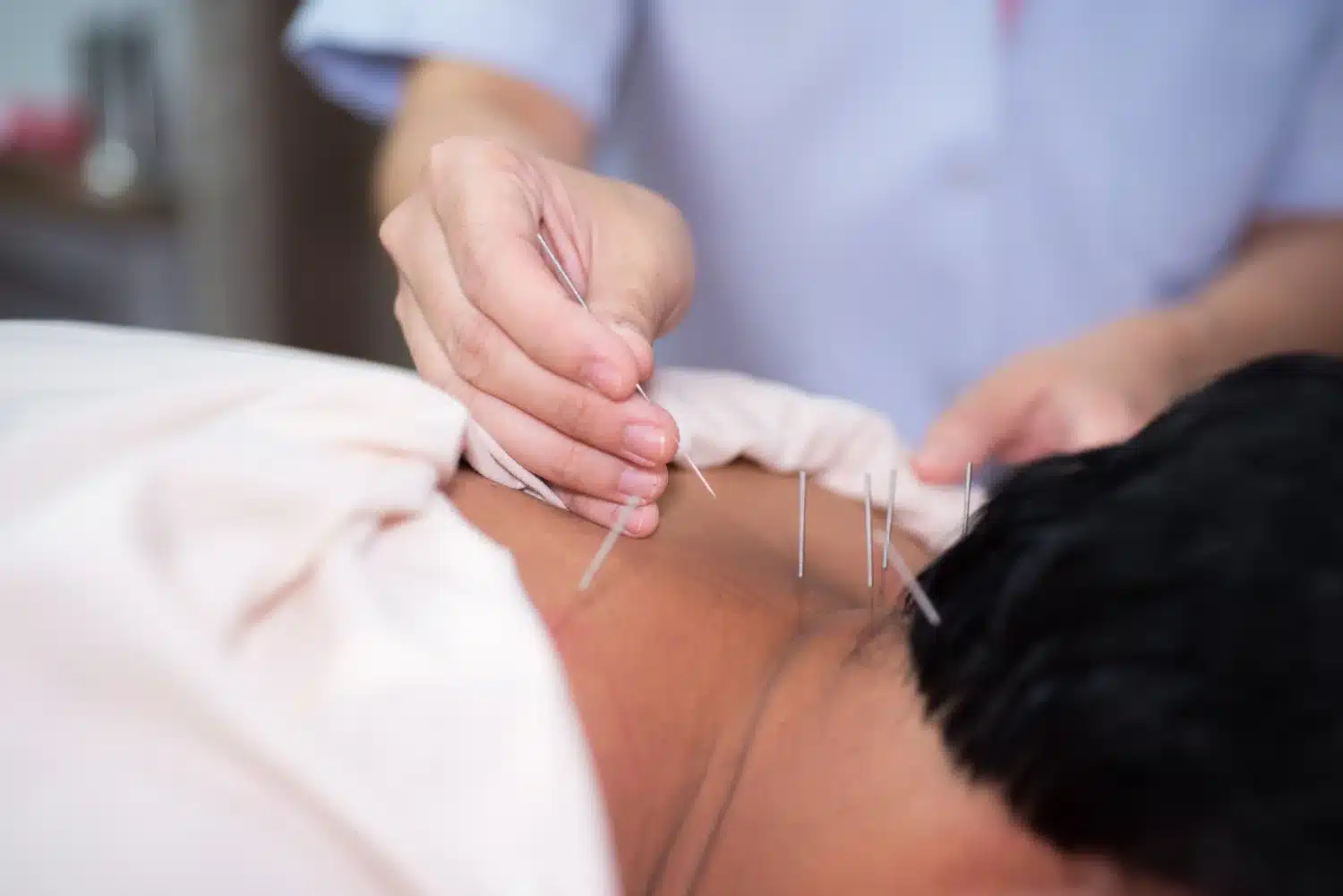
Hearing the word "needle" makes many people's shoulders stiffen, their palms sweat, and the question arises: "Will it hurt a lot?" To many, acupuncture and dry needling seem the same at first glance. Both use thin needles. Both help reduce pain, muscle tension, and body discomfort. Clinics, rehabilitation centres, and wellness discussions also often mention these two therapies together.
This is why confusion is common. Some people think acupuncture is just another name for dry needling. Others believe that athletes are the only people who use these treatments and that they are painful or risky. But in reality, the philosophy, purpose, and treatment approaches of acupuncture and dry needling are quite different. By understanding these differences, a patient can make a more confident decision about which treatment may be best suited to their needs.
In this guide, we'll break down some common misconceptions about acupuncture vs dry needling, explain the real differences between the two therapies, and explain how these treatment approaches work.
Why do people often think that Acupuncture and Dry Needling are the same?
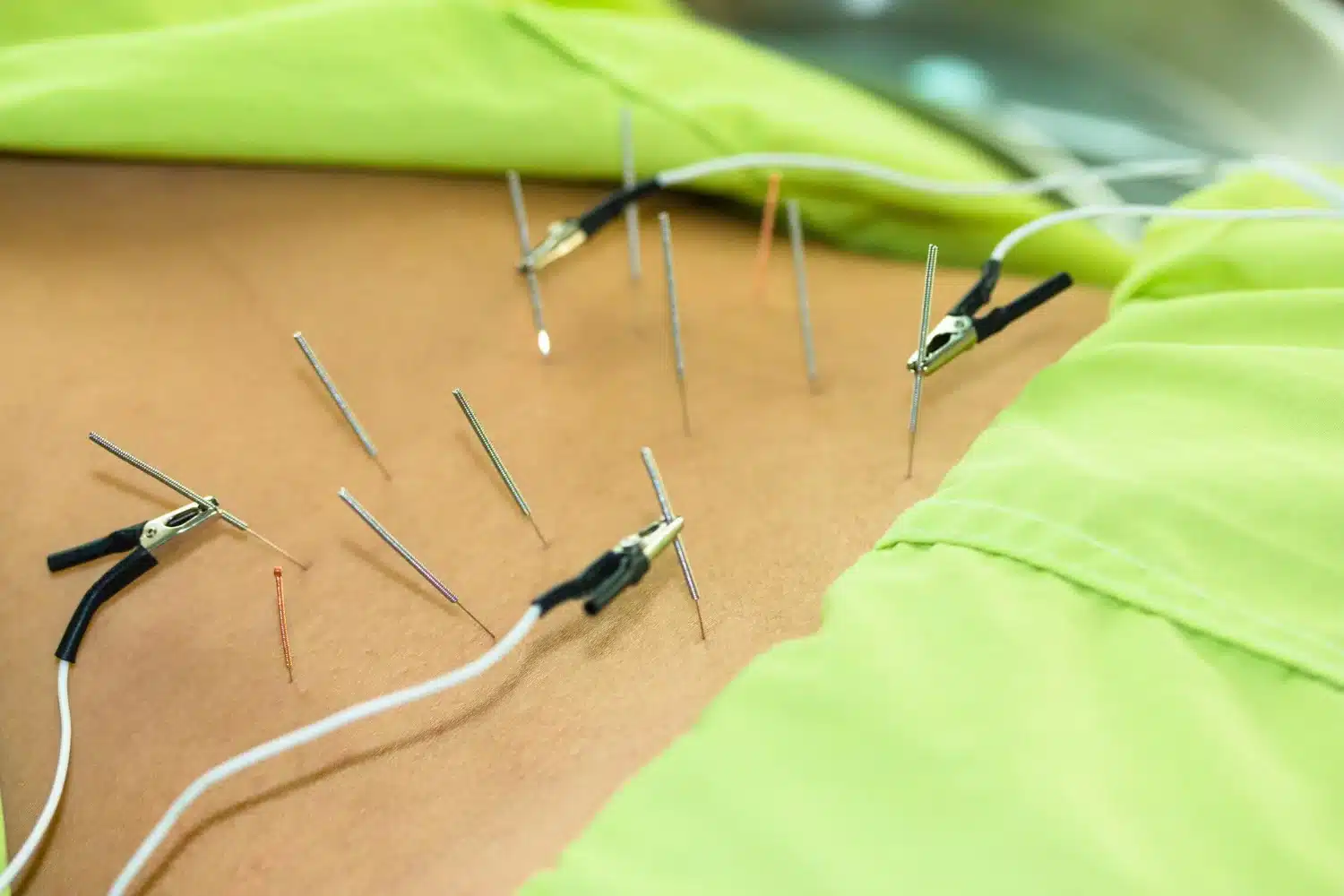
At first glance, acupuncture and dry needling may seem very similar, as both involve the use of very thin needles in specific areas of the body. However, despite these similarities, there are important differences in the purpose of treatment, the assessment process, and the philosophy of the entire medical approach.
People are usually confused about these two therapies for a few reasons:
- Two treatments - these use fine needles
- Both can help reduce pain or muscle tension.
- Many clinics offer two types of services simultaneously.
- Social media often presents the issue in a very simplistic way.
- Many people hear the terminology but don't know the approach or background behind it.
What is acupuncture?
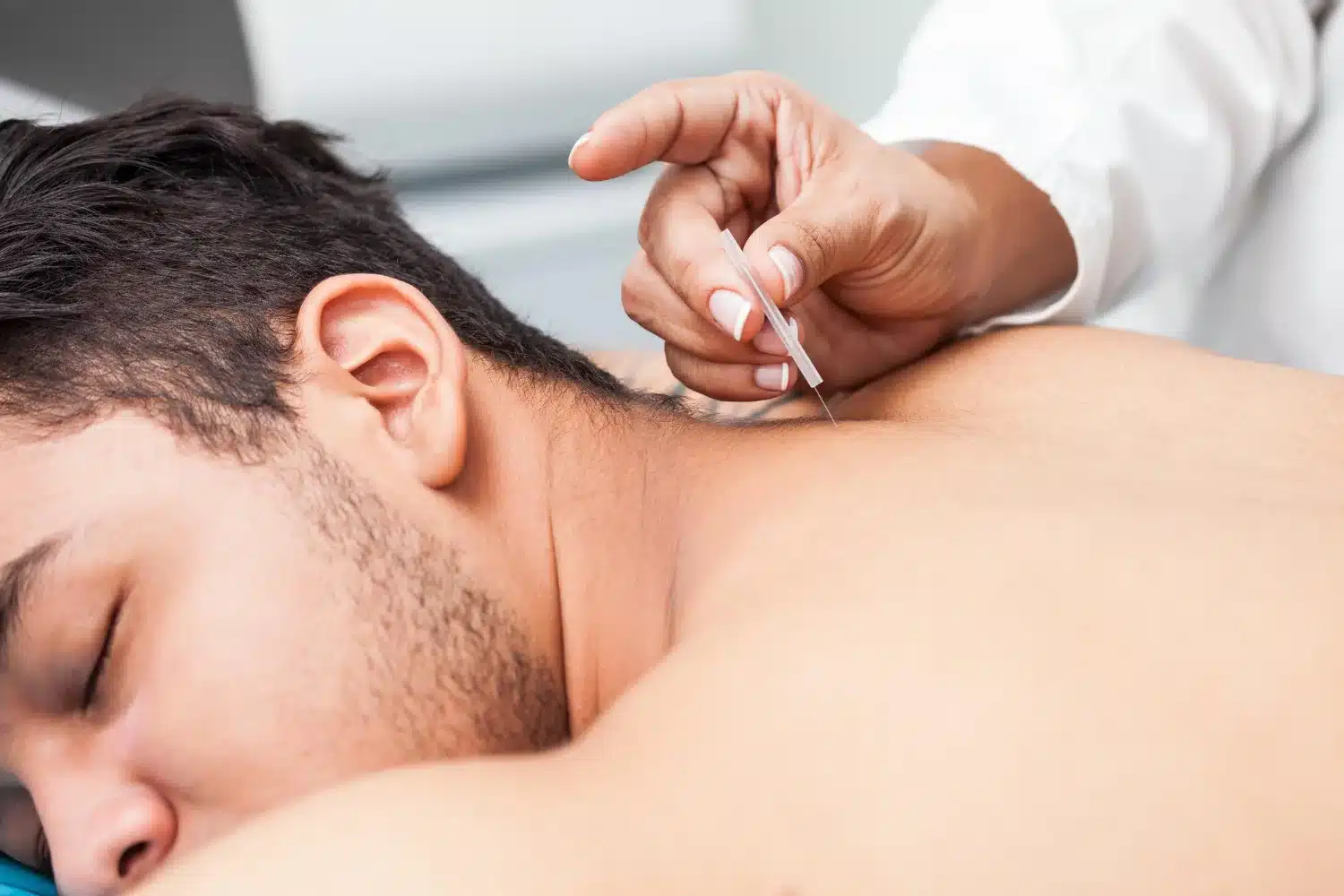
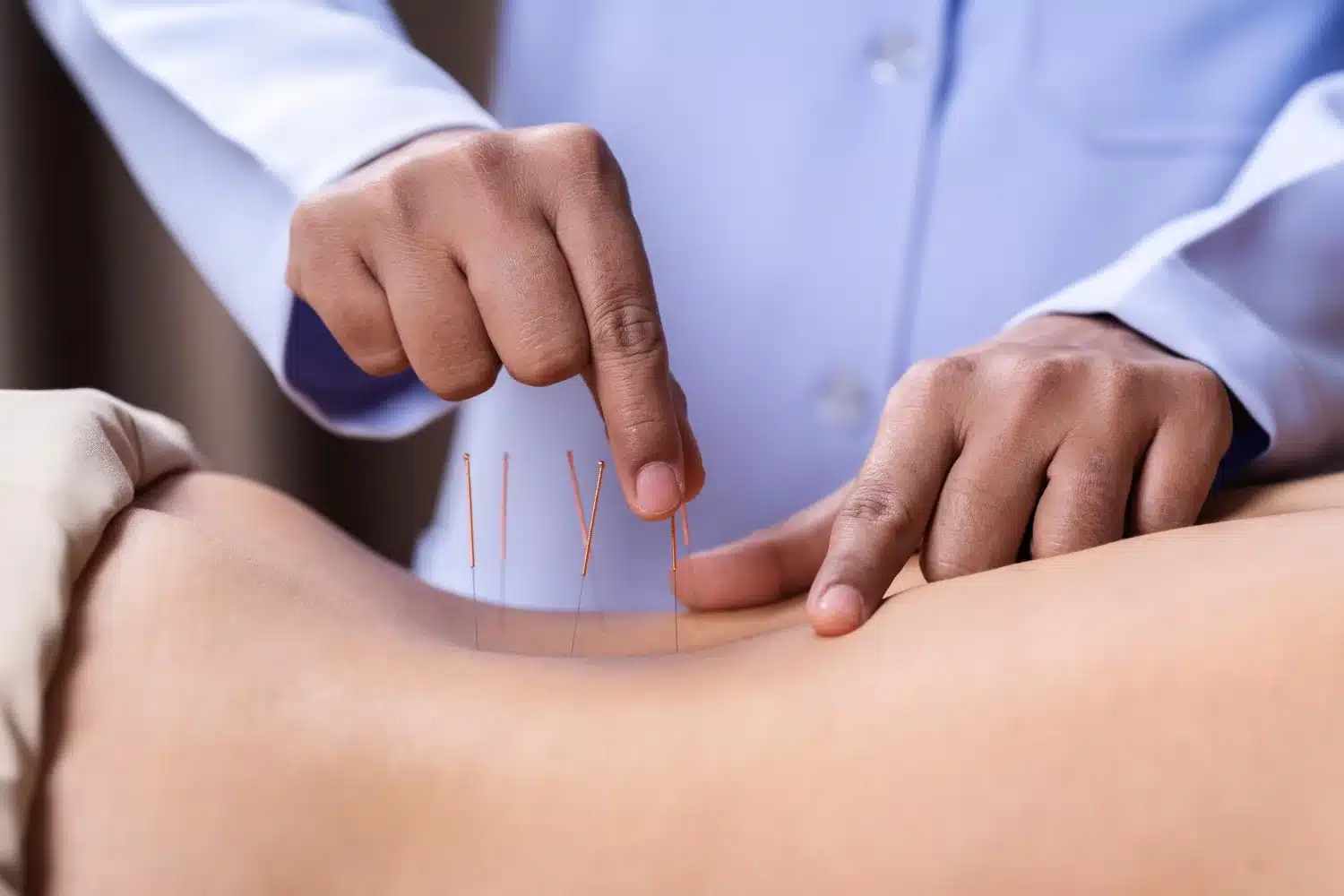
Acupuncture is a treatment approach with roots in traditional Chinese medicine. This method uses very thin needles at specific points on the body to help maintain the body's natural balance and support its natural healing response. Traditional acupuncture generally focuses on concepts such as the body's energy flow or "Qi," meridians, whole-body balance, nervous system regulation, and relaxation. The aim is to support the overall wellbeing and recovery response of the whole body, not just a specific area of pain.
Nowadays, practitioners often combine modern acupuncture with physiotherapy, rehabilitation, and wellness-based treatments. Many people consider acupuncture for stress management, muscle tension, sleep support, neck and back discomfort, headaches, recovery support, and general wellness. In some cases, it can help the body feel more relaxed and reduce tension.
What is Dry Needling?
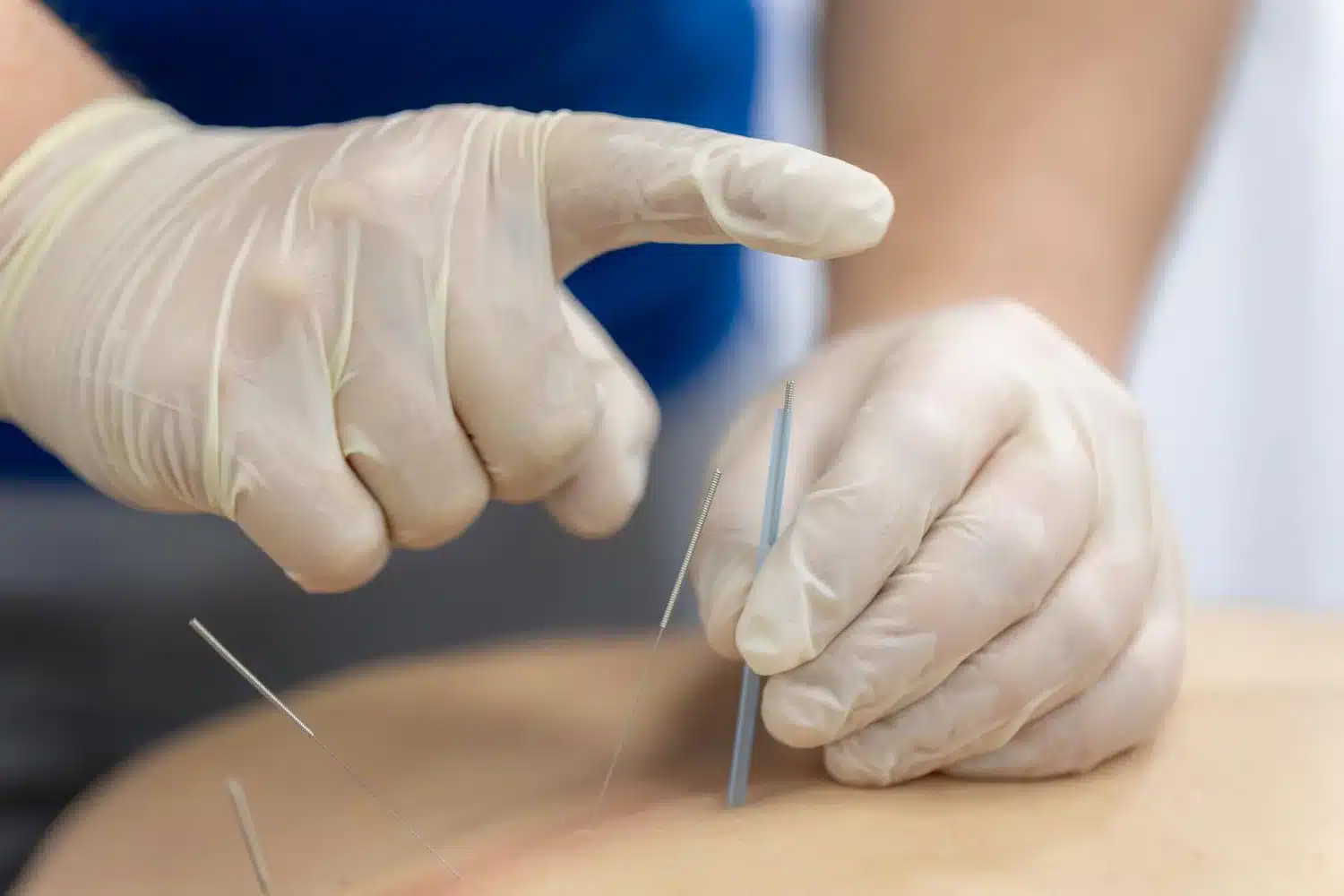
Dry needling is a modern musculoskeletal treatment approach commonly used in physiotherapy and sports rehabilitation. This method targets specific muscle areas with thin needles, especially where trigger points, muscle knots, tight muscles, or restricted movement are present. Unlike acupuncture, it does not work based on the concept of meridians or energy pathways. Instead, dry needling focuses more on improving muscle function and movement quality.
The main goal of this treatment is usually to reduce muscle tightness, improve mobility, support pain relief, and help restore normal muscle function. Practitioners often use dry needling as part of a rehabilitation plan, especially for sports injuries, posture-related tension, repetitive strain, and muscular dysfunction.
Comparison: Acupuncture vs Dry Needling
|
Feature |
Acupuncture |
Dry Needling |
|
Origin |
Comes from Traditional Chinese Medicine |
Based on Modern Western therapy |
|
Main Focus |
Whole body balance and wellbeing |
Muscle dysfunction and movement issues |
|
Targets |
Meridians and acupuncture points |
Trigger points and tight muscles |
|
Common Goal |
Wellness, relaxation and symptom support |
Reduce muscle pain and improve movement |
|
Typical Use |
Stress management, recovery and general wellness |
Sports rehabilitation and muscular tension |
|
Treatment Style |
Holistic approach |
Musculoskeletal-focused approach |
Myth #1: Acupuncture and Dry Needling are the same thing
The truth is: While the needles are the same type, the treatment philosophy is different. This is one of the most common misconceptions about acupuncture and dry needling. Both treatments use thin needles, so many people think they are the same. However, the purpose of needle placement and the treatment approach differ.
Acupuncture primarily supports balance, relaxation, and overall wellbeing. Dry needling, on the other hand, focuses more on trigger points, tight muscles, and movement dysfunction. This means that, while the needles may look similar, the treatment goals differ.
Myth #2: Both treatments are very painful
The truth is: Most people experience very little discomfort. Many people think that needle-based therapy means a lot of pain. But in reality, both acupuncture and dry needling use very thin needles.
During treatment, many people experience sensations such as mild tingling, small muscle twitches, pressure, or warmth. These are usually short-lived and manageable. However, in some cases, muscle sensation may be more intense because dry needling directly targets trigger points.
Myth #3: Acupuncture is only for relaxation.
The truth is, acupuncture isn't just for stress relief. Many people think of acupuncture as a relaxation treatment. While it can help reduce stress and tension, its uses are much broader.
Myth #4: Dry Needling is a trend only for athletes
Fact: Practitioners use dry needling to treat a variety of muscle and movement problems. While many athletes use dry needling, this treatment is not limited to sports injuries.
Many people today also use dry needling for problems such as office-related posture tension, neck stiffness, shoulder tightness, back pain, repetitive strain issues, and limited mobility.
Myth #5: Acupuncture has no scientific basis.
Fact: Research on acupuncture is ongoing and expanding. Current research is examining how acupuncture can affect the nervous system response, blood circulation, endorphin release, pain signalling, and relaxation pathways. Although researchers are still studying this topic, many healthcare, rehabilitation, and wellness settings are gradually incorporating acupuncture.
Myth #6: Some clinics use both dry needling and acupuncture together based on the patient's needs.
The truth is: Some clinics use both approaches depending on the patient's needs. In some rehabilitation settings, practitioners may use different treatment approaches together depending on the patient's condition and recovery goals.
For example, dry needling can target trigger points and tight muscles. At the same time, acupuncture can focus more on supporting relaxation and nervous system balance. Which approach is most appropriate usually depends on symptoms, medical history, recovery goals, and practitioner assessment.
Which treatment is better?
There is no single "best" treatment for all people. The most appropriate approach depends on your symptoms, treatment goals, comfort level, and your practitioner's assessment. It is also important to consider whether the problem is muscle-, stress-, movement-, or whole-body balance-related. Some people benefit more from acupuncture, while others may find better relief or movement improvement with dry needling.
When might acupuncture be more appropriate?
In some cases, practitioners may consider acupuncture a more suitable option, especially when stress-related tension, sleep issues, or nervous system overload contribute to the problem. Many people also consider acupuncture for relaxation support, general wellness, and long-term chronic tension patterns.
When might dry needling be more appropriate?
Dry needling may be more suitable in some cases, especially when the problem involves trigger points, tight muscles, or muscular dysfunction. Practitioners can also use this approach for muscle tension related to sports injuries, limited movement, and prolonged poor posture.
Common mistakes people make before undergoing treatment
Many people choose treatments based solely on social media videos. Still, online content often fails to adequately explain the actual treatment philosophy or clinical purpose of acupuncture and dry needling. Another common mistake is to expect a single session to fix all these problems. In reality, some conditions may require multiple sessions and a broader rehabilitation approach. Many people start treatment without checking the practitioner's qualifications. Therefore, it is important always to choose a properly trained and experienced professional.
Also, many people are afraid of needles before the first session. However, many patients say that, afterwards, the treatment was much easier and more manageable than they had imagined.
What are the best questions to ask before undergoing treatment?
It's easier to decide whether to book a treatment if you have some key questions in mind beforehand.
For example:
- What is the main goal of this treatment?
- Is it muscle-focused, or is it to support overall balance?
- How much experience does the practitioner have with this treatment?
- What kind of sensation is normal during treatment?
- How many sessions are usually required?
Although acupuncture and dry needling may appear similar on the surface, their treatment approaches and clinical goals differ. Which option is more suitable for you depends on your symptoms, body response, and recovery goals. Knowing the right information greatly reduces unnecessary fear or confusion and makes it easier to decide on treatment.
If you still don't understand which treatment might be most suitable for your symptoms, our team can help assess your condition.