
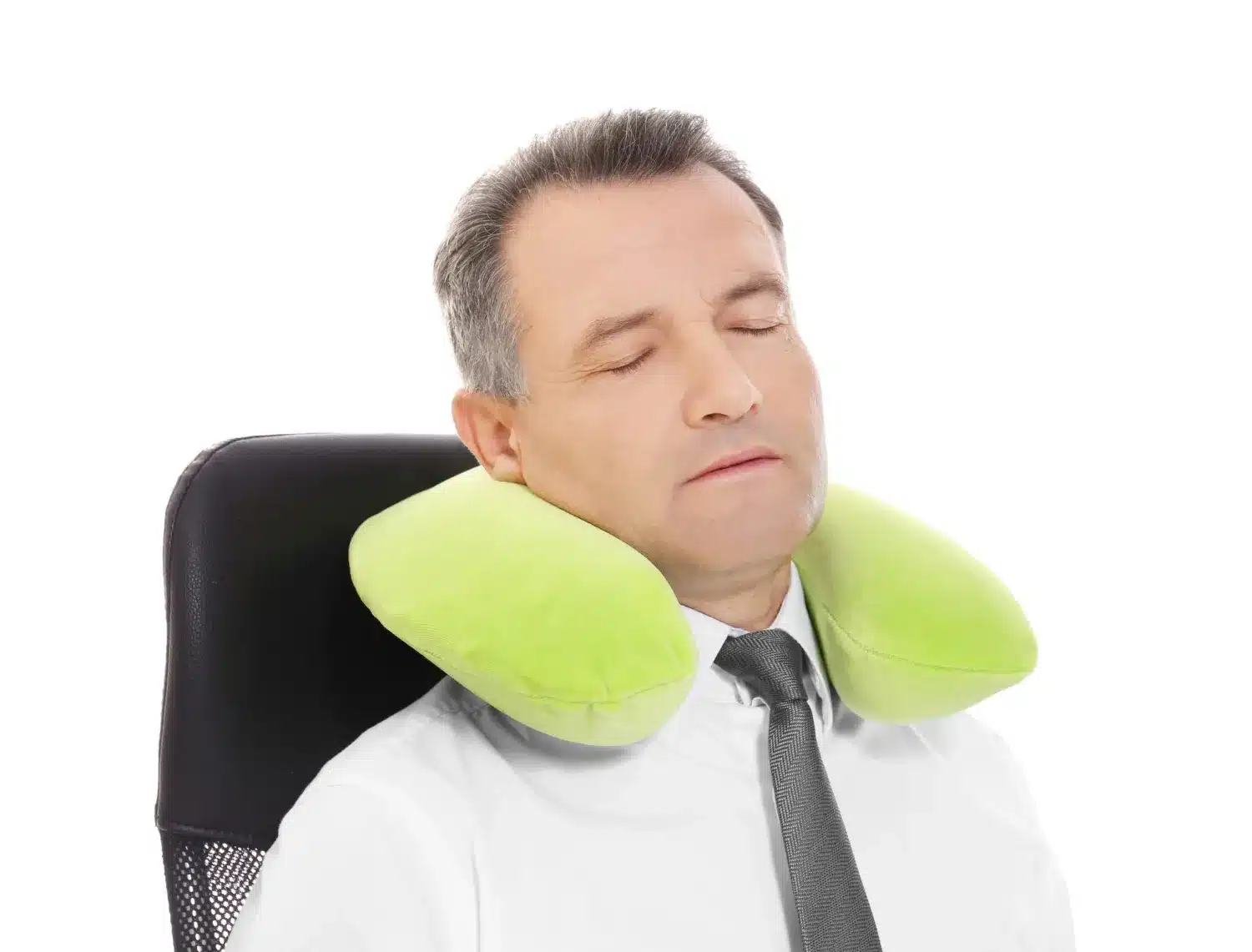
If you find it hard to turn your neck when you wake up, or if you feel pressure, tension, or discomfort after sitting at a desk for several hours, your day may start with discomfort. Neck discomfort can affect sleep quality, concentration, computer use, and daily movement. Many office workers wonder whether their pillow contributes to their neck pain.
A pillow can affect neck comfort and sleeping position, but it is not always the only cause of neck pain. In this guide, you'll learn how pillow choice can affect the neck, what to look for when choosing a pillow for office workers, and what other factors are important. You'll also learn when a professional assessment may be beneficial.

Can Your Pillow Really Affect Neck Pain?
Yes, your pillow can contribute to neck pain, especially if it puts your neck in an uncomfortable position while you sleep. Pillow height, support, and comfort can affect neck and spine alignment while you sleep. A pillow that is too high or too low can put extra pressure on your neck at night.

What type of pillow can suit your sleeping position?
Your sleeping position matters when choosing a pillow. The same pillow can support the neck differently in each sleeping position. So, consider the pillow's height, support, and comfort separately for side, back, or stomach sleeping.
Side Sleepers
When you sleep on your side, if the pillow is too low, your head can drop, and your neck can bend to one side. On the other hand, a pillow that is too high can push the head to the side. Choose support that keeps your head and neck as balanced as possible with your body. Also consider your shoulder width and comfort while sleeping.
Back Sleepers
When sleeping on your back, your pillow should be high enough to maintain the natural position of your neck. Avoid pillows that are too high, and choose support that keeps your head and neck comfortable and balanced.
Front / Stomach Sleepers
When you sleep on your stomach, you turn your neck to one side, so your head is usually turned to the side while you breathe. This position can cause neck rotation over long periods. A pillow that is too thick can increase this rotation. So if you are a stomach sleeper, a thinner pillow may be more comfortable. But also consider what feels comfortable and supports your neck.
What to look for when choosing a pillow for neck pain?
When choosing a pillow for neck pain, don't focus only on softness or price. Also consider height, support, material, and how it works with your mattress and sleeping position.
Pillow Height / Loft
Pillow height affects your neck position. Side sleepers may generally need more height than back or stomach sleepers.
Support and Shape
A supportive pillow can help keep your head and neck in a stable, comfortable position. Contoured or shaped pillows can provide support under the neck, but it is not accurate to claim that any specific shape will treat neck pain. Choose support according to your sleeping position and comfort.
Material and Firmness
Memory foam, latex, and other materials offer different feels and support levels. Memory foam generally adjusts somewhat to the shape of the head and neck. At the same time, latex can feel more responsive. When it comes to firmness, find a balance between comfort and support. A pillow that is too soft may not provide enough support, while a pillow that is too firm may not be comfortable for everyone.
Your Mattress and Body Position
Your mattress, sleeping posture, and pillow work together, so consider your entire sleeping position when choosing a pillow.
How do you know if your pillow could be making the problem worse?
If you notice a consistent pattern, you may need to reconsider your pillow. A stiff neck upon waking or neck pain that worsens after sleeping may be a sign. Also notice if the pillow doesn't provide enough support for your neck. If the pillow pushes your head too far forward, that can also cause discomfort. Some people's symptoms may improve or worsen if they change their pillow.
What else can you do to manage neck pain?
Changing pillows can help some people, but it's also important to review your daily habits to manage neck pain. Posture, movement, and workstation setup can affect neck comfort, especially when you work at a desk for long periods.
Improve Your Daytime Posture
Avoid staying in the same posture while sitting or working at a desk for long periods. Keep your head and neck in a comfortable position and change your body position regularly. This can help reduce prolonged static posture.
Keep Your Neck Moving
Instead of keeping your neck in the same position for long periods, move it gently and regularly. Take short movement breaks between tasks, and change positions when possible.
Review Your Workstation
Keep your screen at a height that doesn't require you to bend your neck down or forward repeatedly while working. Also consider your chair position and desk setup, especially if you use the computer for long periods each day.
Pay Attention to Your Overall Routine
Good sleep, regular physical activity, adequate breaks, and time to recover can support neck comfort. Looking at these practices together, you can find a more balanced approach to managing neck pain, rather than relying solely on a pillow.
When might just changing the pillow not be enough?
It may be reasonable to try changing your pillow. Still, if neck pain recurs repeatedly or persists for a long time, you need to look at the problem more broadly. If pain persists after self-management, symptoms recur, or neck movement is limited, consider a professional assessment. Similarly, if neck pain affects your work, sleep, or daily activities, or if the cause is unclear, focusing solely on the pillow may not be enough.
A physiotherapist can assess your movement, symptoms, possible contributing factors, and how the problem affects your daily activities. The assessment isn't limited to the pillow.
How can Physiotherapy help with Neck Pain?
Physiotherapy for neck pain doesn't just focus on changing pillows. It can create a more individualised approach by understanding your symptoms, movement and factors that may contribute to the problem.
Assessment
The first step is to understand how the problem affects your symptoms, neck movement, and daily activities. This helps identify which factors may be related to your symptoms.
Individualised Treatment
Treatment depends on what the assessment finds. Not everyone's neck pain has the same causes, so the same approach may not be right for everyone.
Exercise and Movement Advice
Exercise and movement advice as needed can help you build confidence in neck movement and manage symptoms.
Practical Guidance
Practical guidance can cover your work style, posture, movement habits, and everyday activities.
When should you seek professional help for your neck pain?
If your neck pain doesn't subside after changing pillows and making a few simple adjustments, you may need to look beyond your sleep setup. At MB Massage & Physiotherapy Centre, we look at the broader picture of your symptoms, movement, and daily activities rather than focusing on just one possible cause. After assessing the factors related to your problem, we can provide personalised physiotherapy and practical management advice to suit your needs. If neck pain is affecting your sleep, work, or daily movement, you may want to book an assessment with our physiotherapy team.