
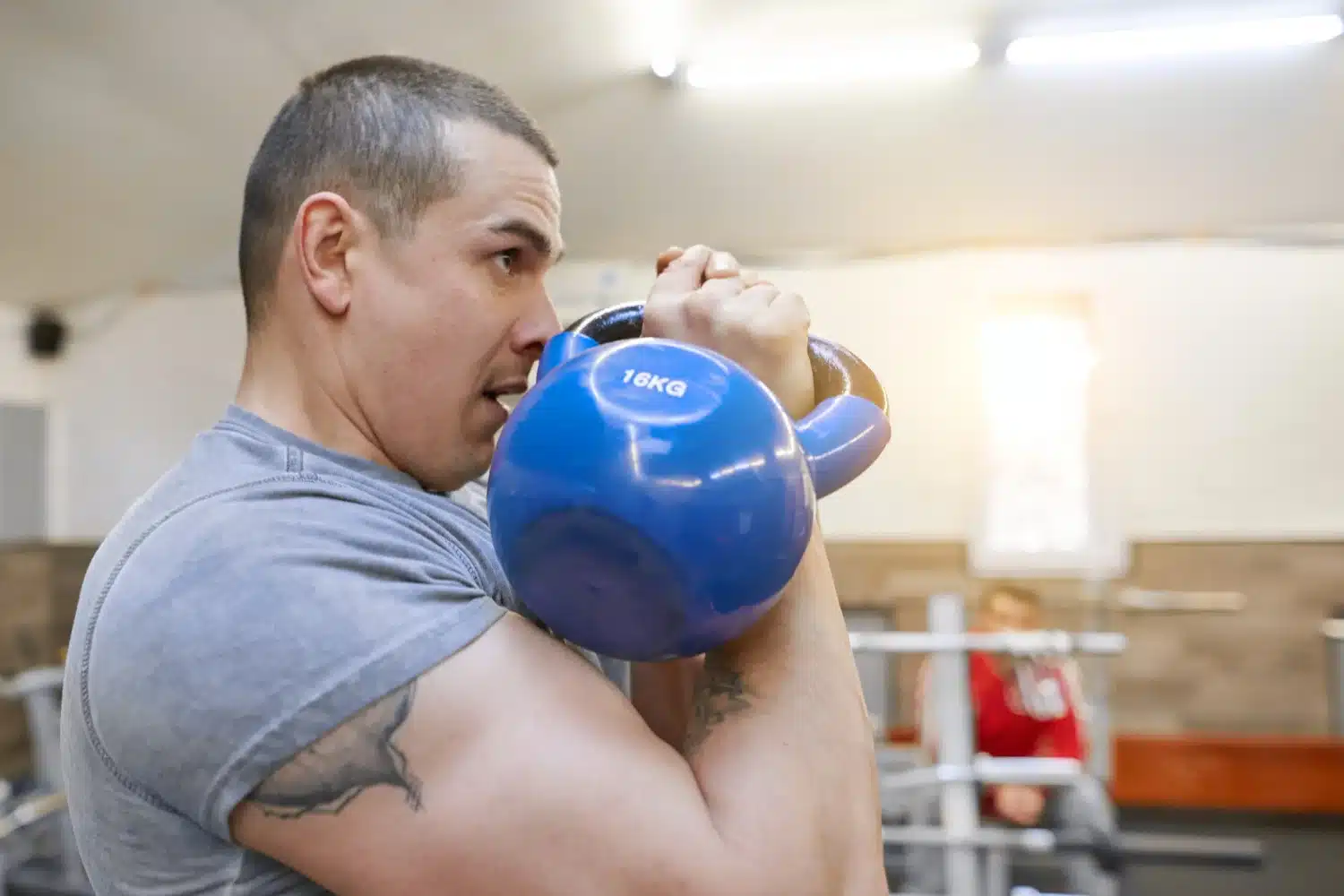
After lifting heavy weights, the muscles feel tight, the body gets tired, and then you realise that if you don't recover properly, the next session won't be the same. After a heavy lifting session, the body not only wants rest, but also needs proper recovery. Many weightlifters in Rugby, UK, are now realising that proper recovery methods are essential to staying consistent and avoiding injury.
Cupping therapy is slowly becoming popular in this area. Many athletes and gym-goers have scars from this therapy, and many believe it can reduce muscle tension and aid recovery.
But the question is:
- Does it really work for weightlifters?
- Or is it just a fitness trend?
Let's take a closer look at this.
What is Cupping Therapy?
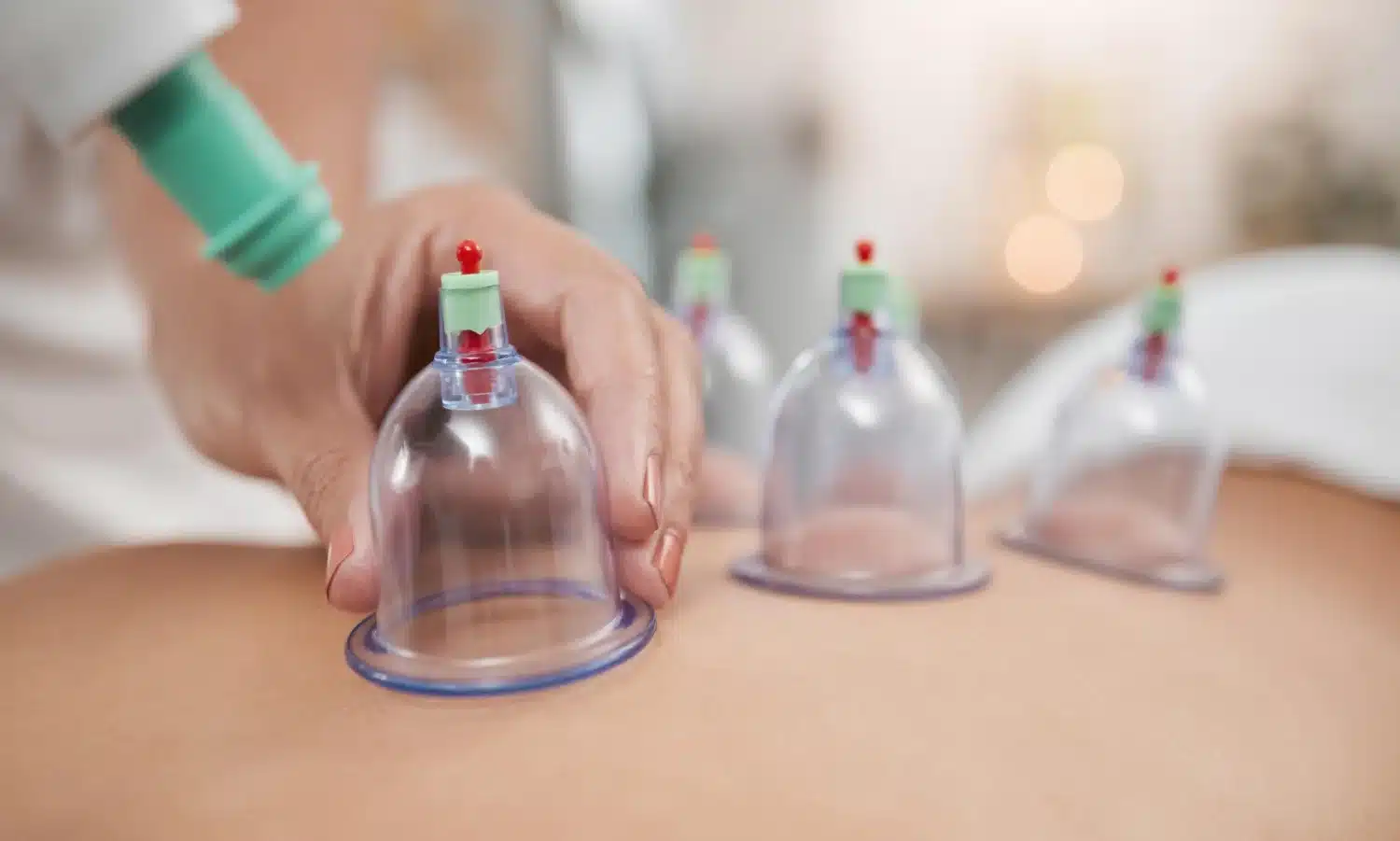
Practitioners now use cupping therapy, an ancient method, as a modern recovery technique in many cases. It involves placing special cups on the skin, which create suction. This suction, or negative pressure, lifts the skin and underlying tissue, pulling them upward.
The goals of this process are usually to:
- Improve blood circulation
- Reduce muscle tension
- Supporting the body's natural recovery process
Types of Cupping Therapy
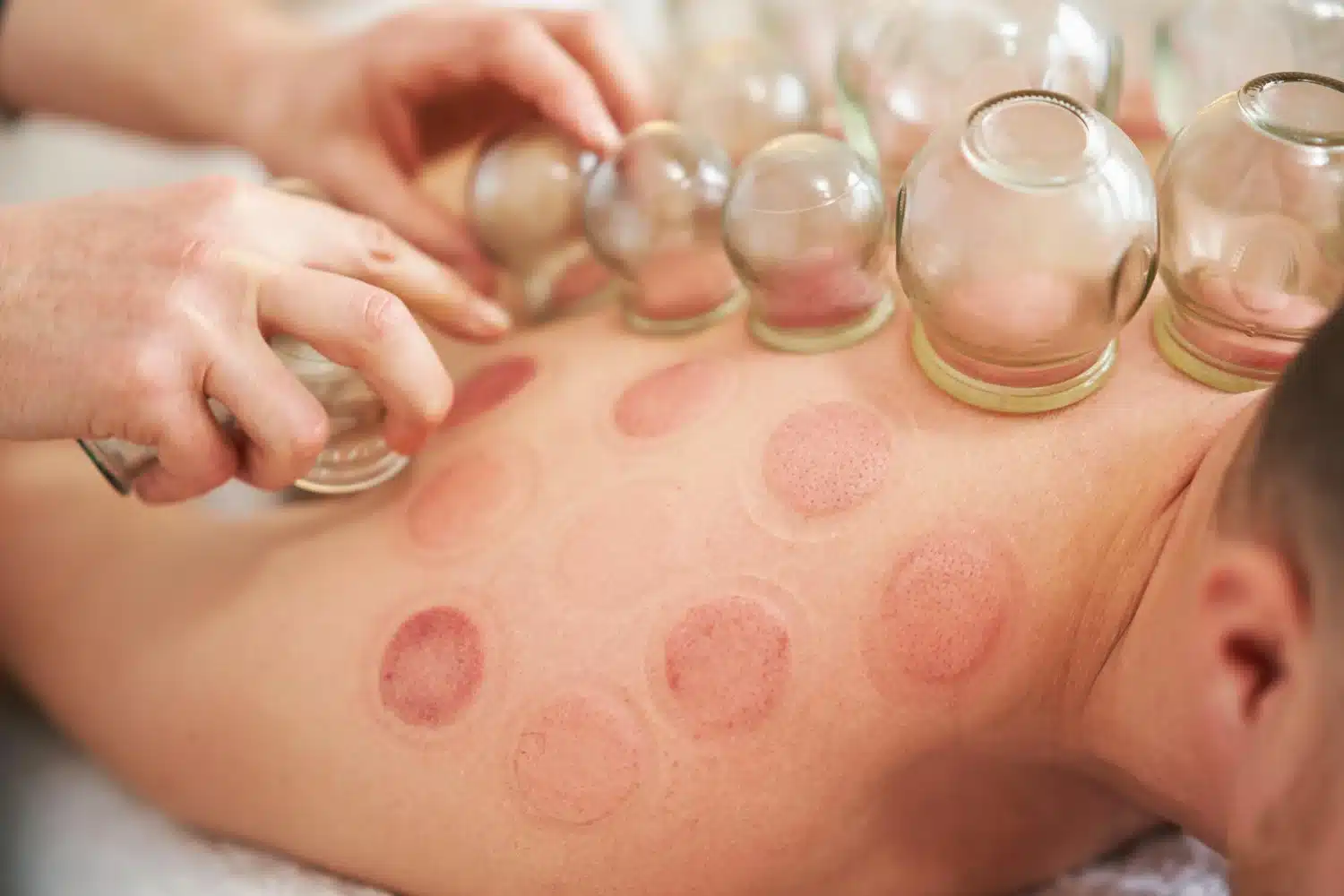
There are generally two types of cupping therapy:
- Dry Cupping: This method uses only suction.
- Wet Cupping: Where mild skin pricking may occur.
How does Cupping work for weightlifters?
Cupping therapy creates suction and gently pulls the muscles and surrounding tissue upwards. This can cause changes within the body that can aid in recovery:
- It may help to reduce some of the tension in the fascia around the muscle
- May increase blood circulation in specific areas
- Can activate nerve responses
- May improve the movement of fluids within the body
The scars that appear after Cupping are usually temporary and fade gradually within a few days.
What happens to the body after heavy lifting?
During weightlifting, your muscles are put under significant stress, leading to internal changes.
As a result:
- Small damage occurs inside the muscle
- Some waste products, such as lactic acid, may accumulate.
- Muscles become tight and tired.
These changes usually cause some problems:
- Muscle pain
- Stiffness or tension
- Decreased movement
This condition, commonly called DOMS (Delayed Onset Muscle Soreness), is often felt 24-48 hours after a workout.

What does research say? (Scientific Evidence)
Researchers are still studying cupping therapy and have not reached definitive conclusions in all cases. However, some studies have suggested some potential benefits.
- Improve blood circulation
Some studies show that Cupping can increase microcirculation, making it easier for oxygen and essential nutrients to reach muscles. However, these results are not consistent in all cases, so more research is needed.
- Muscle recovery and pain reduction
Some studies show that cupping therapy can help reduce muscle soreness after exercise.
However, this result depends a lot on:
- The intensity of your training
- The body's individual response
- The therapist applies the therapy
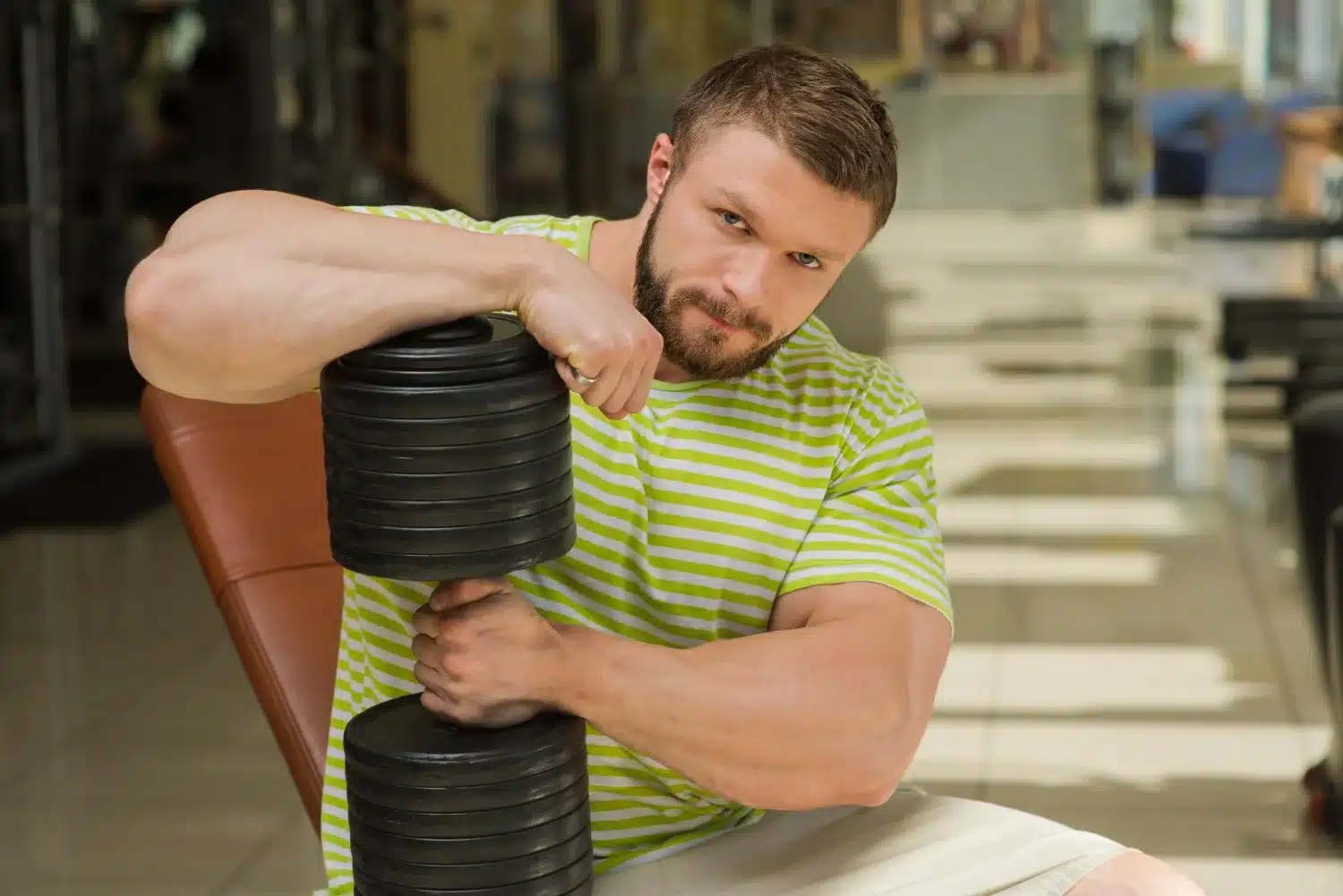
Benefits of Cupping for Weightlifters
When used correctly, cupping therapy may offer some potential benefits for weightlifters.
1. Helps improve blood circulation
Good blood circulation allows oxygen and nutrients to reach the muscles more easily, which can support muscle repair and recovery.
2. May help reduce muscle tension
Cupping can help release tight areas of muscle and fascia, thereby reducing discomfort.
3. May aid in faster recovery
It can help reduce recovery time by supporting the body's natural recovery process.
4. Helps the body relax
Like other recovery methods, it can help reduce stress and tension after a workout.
5. Can improve movement and flexibility
When muscles are slightly loose, the range of motion improves, which can also enhance lifting performance.
Possible side effects
Although cupping therapy is generally considered safe, mild side effects may occur in some cases.
For example:
- Temporary skin discolouration may occur, which will disappear within a few days.
- Mild skin irritation
- You may feel temporary sensitivity in the treated areas.
How to Safely Use Cupping for Weightlifting
- Work with an experienced therapist
It is very important to use the correct technique. Having it done by an experienced therapist can reduce risks and improve outcomes.
- Use at the right time
Cupping is usually most effective for:
- After training
- or on a rest day
- Use with other recovery methods
For best results, do not use cupping alone, but combine it with other methods, such as:
- Stretching
- Foam rolling
- Massage therapy
- Drink enough water.
- Get enough sleep
Cupping vs Other Recovery Methods
Different recovery methods serve different purposes and work in different ways. Below is a simple comparison:
|
Method |
Focus |
Intensity |
Suitable |
|
Cupping |
Blood circulation and fascia |
Medium |
Recovery and muscle relaxation |
|
Massage |
Reduce muscle tension |
Deep |
Tight muscles |
|
Foam Rolling |
Self-release |
Variable |
Daily maintenance |
Should weightlifters use Cupping Therapy?
Cupping therapy may be beneficial for some weightlifters, especially those who want to:
- Reduce muscle soreness after a workout
- To support the recovery process
- To continue training regularly
Proper recovery is essential for progress in weightlifting. Cupping therapy is a different type of therapy that can help support the body after intense training.Many people use it to reduce muscle tension, support recovery, and feel overall relief.
If you want to improve your recovery and performance in Rugby, UK, the right guidance can make a big difference.Get a personalised recovery treatment tailored to your training and body's needs. Book an appointment today and be better prepared for your next session.