

Starting each day with some form of body pain, sometimes mild, sometimes severe, is a reality for many. For many people who have fibromyalgia, this pain, fatigue, and discomfort never seem to go away completely. Some days are relatively bearable, while others can make even simple tasks difficult. While there is no specific treatment, many people find some relief through lifestyle changes, medical support, and various therapies.
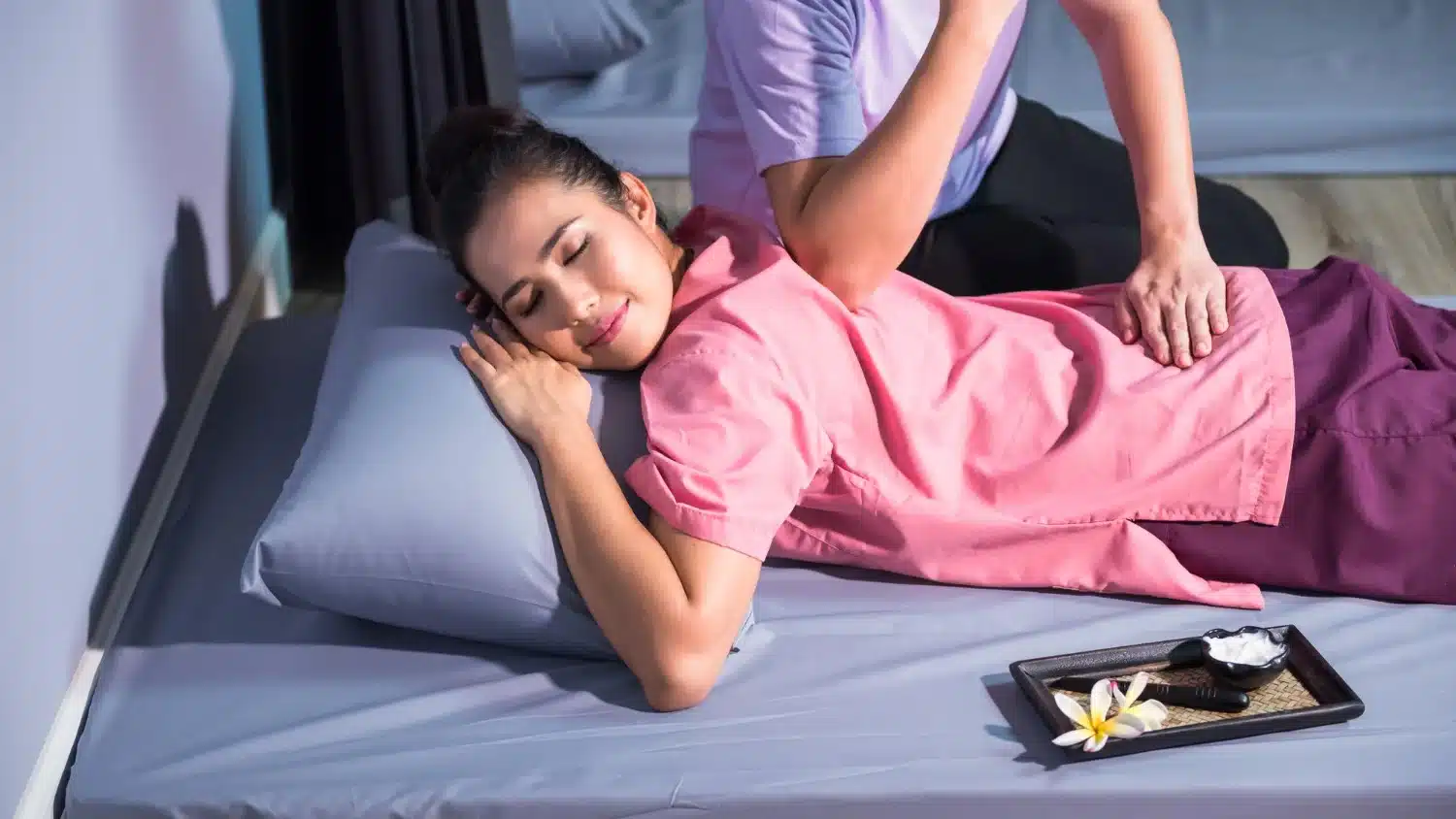
This is where fibromyalgia massage therapy can be a supportive approach, helping reduce pain and increase overall comfort.
In this guide, we will discuss:
- What is Fibromyalgia?
- What are the common symptoms?
- How can massage therapy help?
- Which type of massage is best?
- And what to watch out for?
What is Fibromyalgia?
Fibromyalgia is a long-term (chronic) condition that causes pain and discomfort in the muscles and soft tissues of the body.
This is usually related to the following problems:
- Pain that spreads to different parts of the body
- More sensitivity than usual
- Chronic fatigue
The exact cause is not yet fully known, but it may sometimes be related to some of the following:
- Family history or genetic factors
- Stress or any traumatic experience
- Any other physical or health problems
Fibromyalgia usually does not cause any permanent damage to the body. Still, it can have a major impact on daily life, comfort, and work.

Common symptoms of fibromyalgia
People with fibromyalgia may experience a variety of physical and emotional symptoms. The most common symptoms are:
- Pain that spreads to different parts of the body
- Chronic fatigue
- Problems with concentration and thinking, sometimes called “brain fog”.
- Sleep problems or not sleeping well
- Muscle stiffness and tension
- Mood swings
- Headache
- Increased sensitivity to pressure or touch
These symptoms may vary from person to person and may increase or decrease over time.
How does massage therapy help with fibromyalgia?
Therapists usually use massage therapy as a low-impact and supportive method for fibromyalgia. It helps the body relax and slightly improves the function of muscles and tissues, resulting in overall relief.
Potential Benefits of Massage Therapy
- Helps reduce pain and muscle tension
Light, controlled massage techniques can help reduce muscle tension and relieve some discomfort.
- Helps reduce stress
Massage can help reduce stress hormones, leaving the body and mind feeling relatively calm.
- Improves blood circulation
Good blood circulation helps oxygen and essential nutrients reach the muscles, supporting the body's normal functions.
- May help increase mental clarity
Reducing body tension and stress helps many people improve their attention and thinking.
- Helps with good sleep
Many people with fibromyalgia have trouble sleeping. Massage therapy helps the body relax, which can improve sleep quality.
Massage Techniques Suitable for Fibromyalgia
The body is usually more sensitive in fibromyalgia, so heavy pressure or firm massage is not always appropriate. For this reason, therapists more often use gentle, controlled, and slow techniques.
Common methods that may be useful include:
- Light pressure massage, which helps relax muscles but does not create excessive pressure
- Stretching, which helps muscles move more slowly, can reduce stiffness
- Slow and rhythmic strokes, which calm the body and help relax the nervous system
- Heat-based therapy can help reduce muscle tension and provide relaxation
Important things before starting a massage
It's important to keep a few things in mind before starting massage therapy, especially if you have fibromyalgia.
- It is best to consult a doctor or healthcare professional first.
- Be aware of your body's pain tolerance level
- Start with a short period of time and a light massage at first.
High-pressure or deep-pressure massage can often increase discomfort in fibromyalgia, so this type of technique may not always be appropriate.
How often should you get massage therapy?
How often you should receive massage therapy may vary from person to person.
It depends on a few things:
- How severe your symptoms are
- How much your body can tolerate
- What kind of results do you want?
Some people benefit more from regular sessions, while others find relief from occasional massages as needed.
Living with fibromyalgia can be difficult, but with the right support, it's possible to find some relief. Massage therapy can help relax the body, reduce discomfort, and make daily life a little easier.
If you are looking for supportive therapy for fibromyalgia in Rugby, UK, it is important to choose the right approach for your needs. Book an appointment today and slowly move towards relief.