

When I try to lift my arm a little, I feel a tightness, then a slight pain, and my shoulder gradually feels like it's getting stuck. At first, it feels like a very simple discomfort. But over time, the shoulder becomes stiff, the pain increases, and it becomes difficult to move the arm. This condition, called frozen shoulder, can silently affect your daily life, making it difficult to lift your arm, get dressed, and even sleep properly.
Understanding the different stages of frozen shoulder will help you understand when pain and stiffness increase, and when treatment is most effective.
In this guide, we will clearly see:
- What is frozen shoulder?
- How does it progress through its stages?
- You can do different things at different stages to get relief.
- When should you seek professional help?

What Is Frozen Shoulder?
Frozen shoulder is a condition in which the capsule surrounding the shoulder joint gradually changes. This capsule is normally soft and flexible, allowing you to move or lift your arm easily.
But with a frozen shoulder, it:
- Inflamed
- Thickened
- Tight
This results in a decrease in the joint's internal space, and movement gradually becomes limited.
Its direct impact:
- Pain: Especially when moving the arm
- Stiffness: Feeling like your shoulder is stuck
- Decreased movement: Inability to fully raise the arm

The most common symptoms of frozen shoulder are:
Frozen shoulder develops slowly, so the symptoms may be mild at first but become more pronounced over time.
- Persistent shoulder pain: Constant shoulder pain that does not fully subside even with rest.
- Limited range of motion: It becomes difficult to raise or rotate the arm fully.
- Difficulty lifting the arm: Difficulty even with simple tasks such as putting on clothes or picking up something.
- Pain that worsens at night: Pain is felt more at night, disrupting sleep.
Causes & Risk Factors
Frozen shoulder usually does not happen suddenly, but develops gradually due to certain factors and risk factors. Possible causes:
- Injury or surgery: Reduced movement after a shoulder injury or surgery can lead to joint stiffness.
- Long periods of immobility: If you keep the hand immobile for prolonged periods, the capsule gradually hardens.
- Medical conditions: For example, if you have diabetes or a thyroid disorder, the risk is much higher.
Risk group (most common among):
- Age between 40-60
- Sedentary lifestyle (less movement)
- Previous shoulder injury history

Frozen Shoulder Stages Explained
Frozen shoulder usually progresses gradually through 3 distinct stages. Pain, stiffness, and movement limitations vary across stages.
1. Freezing Stage (Duration: Approximately 6 weeks – 9 months)
The problem begins at this stage and gradually worsens.
-
- The pain gradually increases.
- It becomes difficult to move the shoulder.
- Sudden movements cause sharp pain
- Pain is more noticeable at night
2. Frozen Stage (Duration: Approximately 4 – 12 months)
During this stage, the pain may decrease slightly, but the stiffness is at its peak.
-
- The pain is somewhat tolerable.
- But the shoulders become much stiffer.
- It seems almost impossible to raise or rotate the arm fully
- Daily tasks (dressing, holding things) become difficult
3. Thawing Stage (Duration: Approximately 6 months – 2 years)
Recovery begins gradually at this stage.
-
- Shoulder movement gradually improves.
- Stiffness decreases
- Pain gradually decreases
- Normal function gradually returns
If you understand these 3 stages, you will understand why the pain is more in the beginning. Why is the stiffness worst in the middle? And why does recovery take so long? The treatment approach should differ for each stage; the same method does not work for all stages.
Relief Methods & Home Care
You cannot manage frozen shoulder quickly; the most important things here are consistency and patience. If you take aggressive treatment incorrectly, the pain can increase, and if you completely stop movement, the stiffness will worsen. So a balanced approach is needed.
At-Home Care Tips
- Avoid sudden movements: Lifting your hand suddenly can irritate the capsule further.
- Maintain gentle activity: Stiffness increases quickly if you don't move.
- Adjust sleeping posture: It is better to sleep with support rather than putting pressure on the painful side.
Recommended Exercises
Doing these exercises regularly helps to return movement gradually:
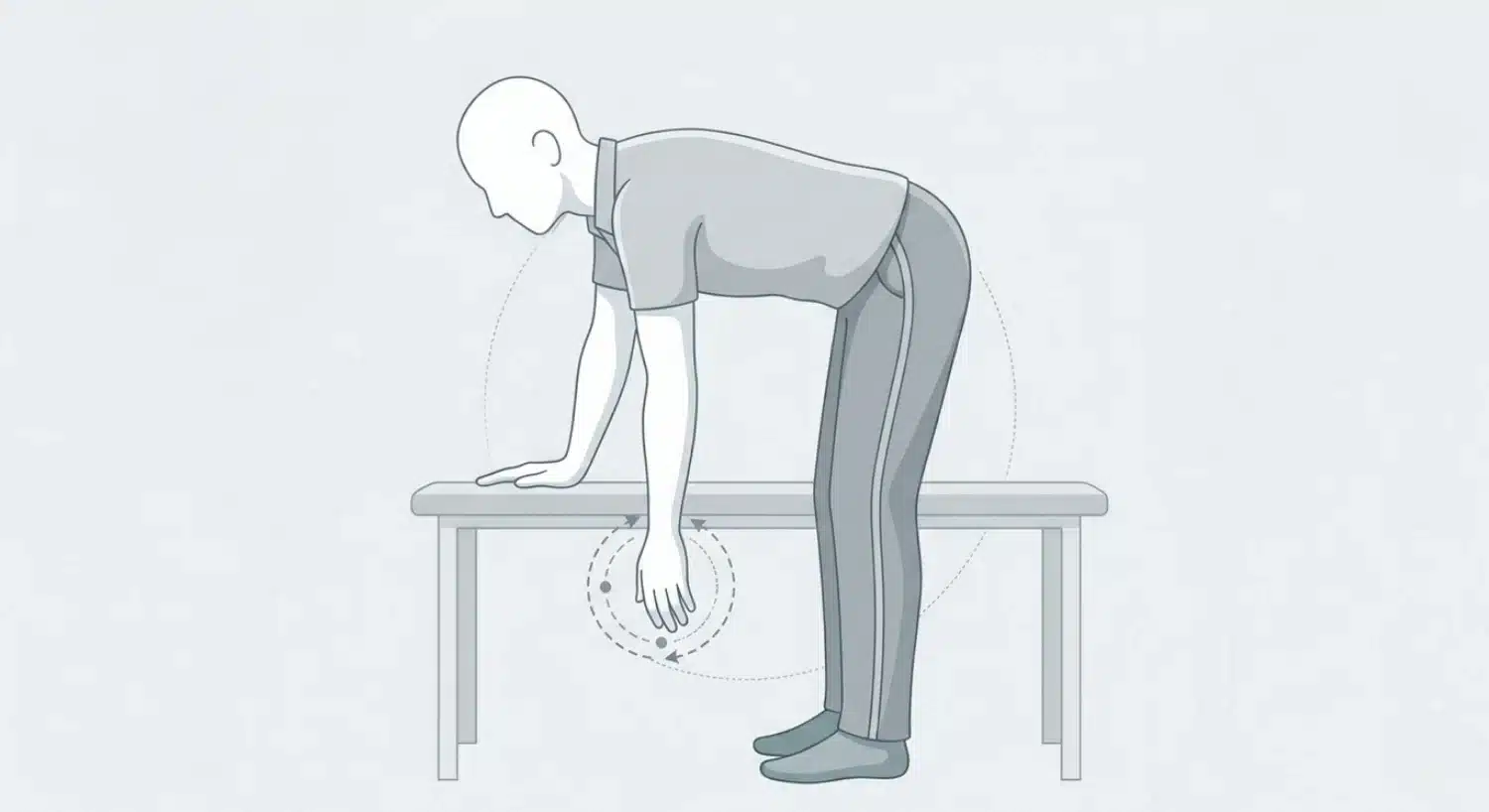
Pendulum swings:
Bend your body slightly, let your hands drop, and swing them lightly. This will keep your joints relaxed.
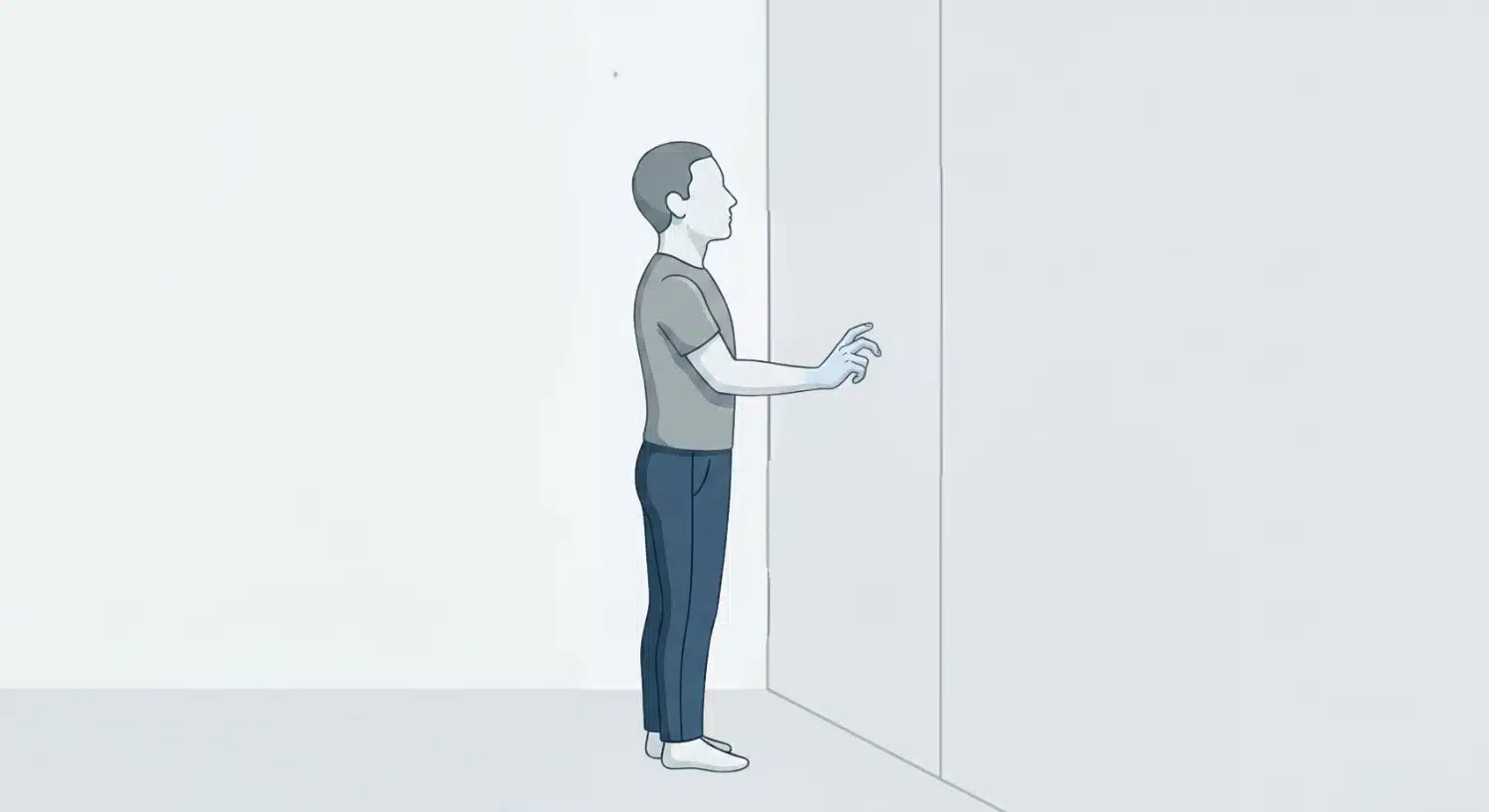
Wall climbing exercise
Slowly raise your hand against the wall with your fingers to increase your controlled mobility.
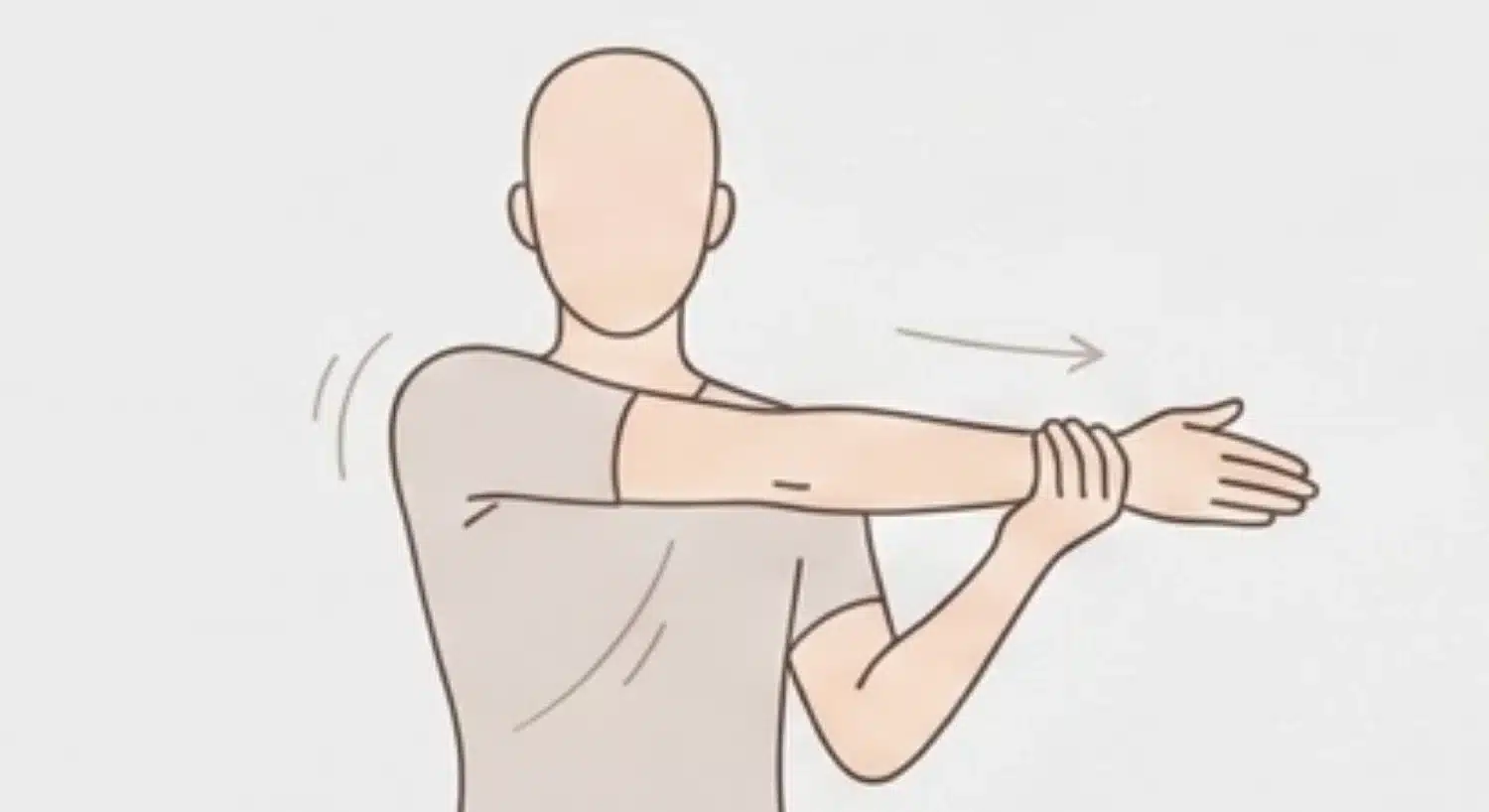
Shoulder stretches
Light stretching will help loosen your capsule.

Medical Treatments (When Home Care Isn’t Enough)
- Physiotherapy: The most effective long-term solution for you is to always plan your treatment according to the stage, and you will get more benefits.
- Pain-relief medication: Helps control pain but does not address the root cause.
- Corticosteroid injections: Used to reduce inflammation (doctor recommendation required).
- Shockwave therapy: In some cases, therapists use it to relieve pain and improve tissue healing.
When to Seek Professional Help
Although frozen shoulder often seems mild at first, if certain symptoms occur, you should contact a specialist without delay. If shoulder pain persists for several weeks or gradually worsens, it may indicate that underlying stiffness or inflammation is worsening, rather than a simple strain. Similarly, if you notice that you are unable to lift your arm as much as before or that movement has become severely limited, then this may be a progressing stage of frozen shoulder. Delaying this condition will further increase stiffness and prolong recovery time.
Another important point is that if home exercises or general care (rest, posture adjustment) do not provide any benefit, then you need to understand that targeted treatment is needed. At this time, physiotherapy or a professional assessment can help you take the right approach for your condition, which can speed up recovery.
Although it may seem like a small problem at first, over time it can have a major impact on daily movement and work. Personalized physiotherapy and hands-on treatment tailored to your rugby-related condition can help you reduce pain, restore movement, and speed up recovery.