
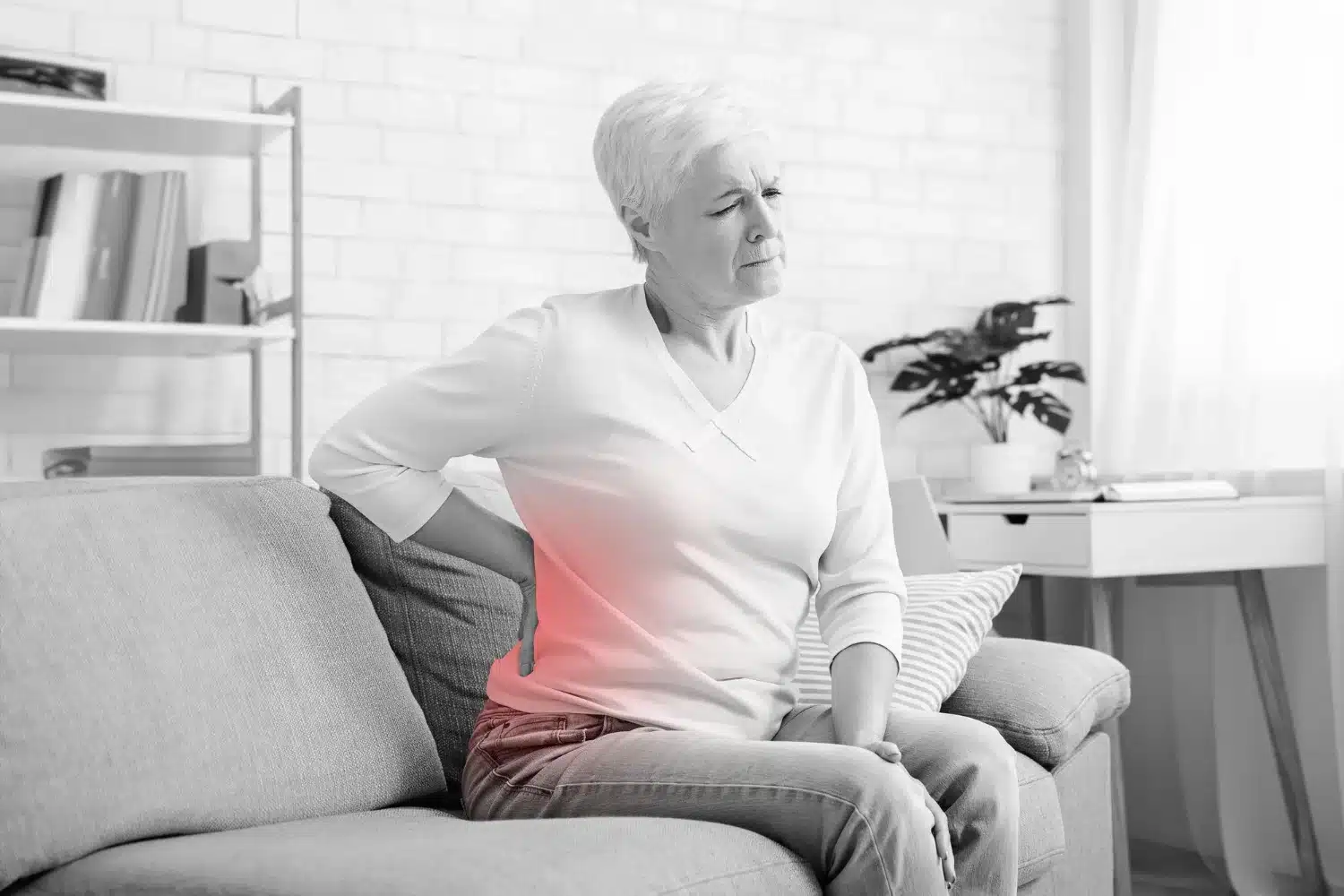
Many women face changes during menopause, such as feeling stiff fingers when waking up in the morning, feeling discomfort in their knees when climbing stairs, or experiencing pain in their shoulders and hips for no apparent reason. Many people know the relationship between menopause and hot flushes, night sweats, or mood changes. But joint pain is a symptom that surprises many people. Joint pain is very common during menopause or perimenopause. For some women, the discomfort may be mild and temporary. For others, it can affect sleep, movement, exercise, normal work pace, and overall quality of life.
In this guide, we'll discuss why menopause can cause joint pain, what symptoms are important to watch out for, how hormones can be related to inflammation and stiffness, what exercise and lifestyle strategies may be helpful, what foods or supplements may provide support for some people, and when it may be necessary to seek professional support.
What is Menopause-Related Joint Pain?
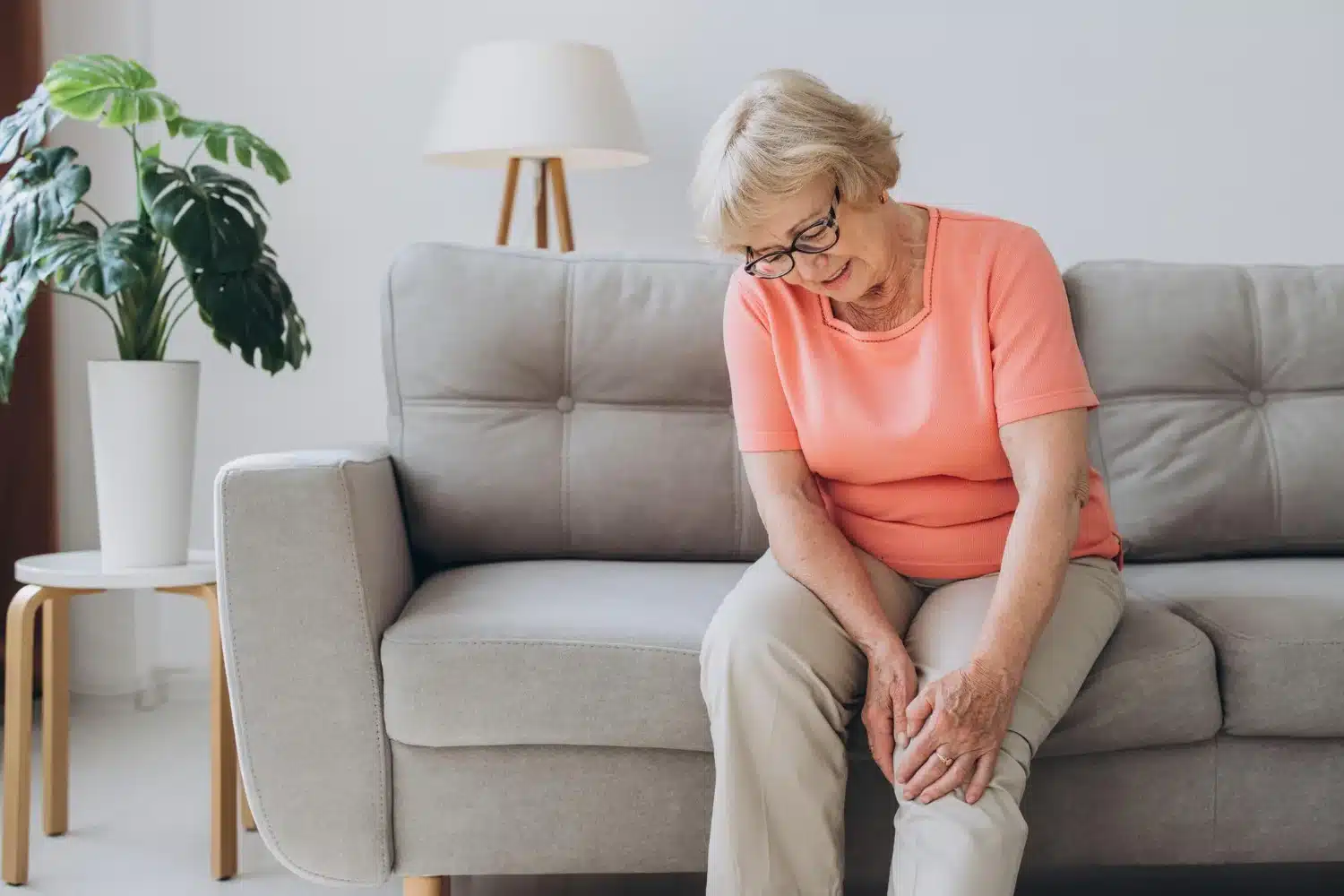
Menopause-related joint pain refers to joint ache, stiffness, inflammation, and reduced mobility that occurs during perimenopause/menopause/post-menopause.
Many women begin to experience discomfort in areas such as the knees, hands, hips, shoulders, neck, lower back, and feet or ankles. Symptoms may come and go at first, but they may become more noticeable as hormone levels gradually change.

Why can menopause cause joint pain?
Hormonal changes, especially a drop in oestrogen levels, are thought to be the biggest cause of menopause-related joint pain. Hormones don't just regulate reproductive health. They are also related to joint lubrication, muscle recovery, bone strength, collagen production, tendon health, inflammation control, and pain sensitivity.
As hormone levels begin to decline, the body can often become more sensitive to inflammation and discomfort. This can lead to joint stiffness, slower recovery, muscle weakness, increased soreness, tendon irritation, and reduced flexibility.
Common Symptoms of Menopause: Joint Pain
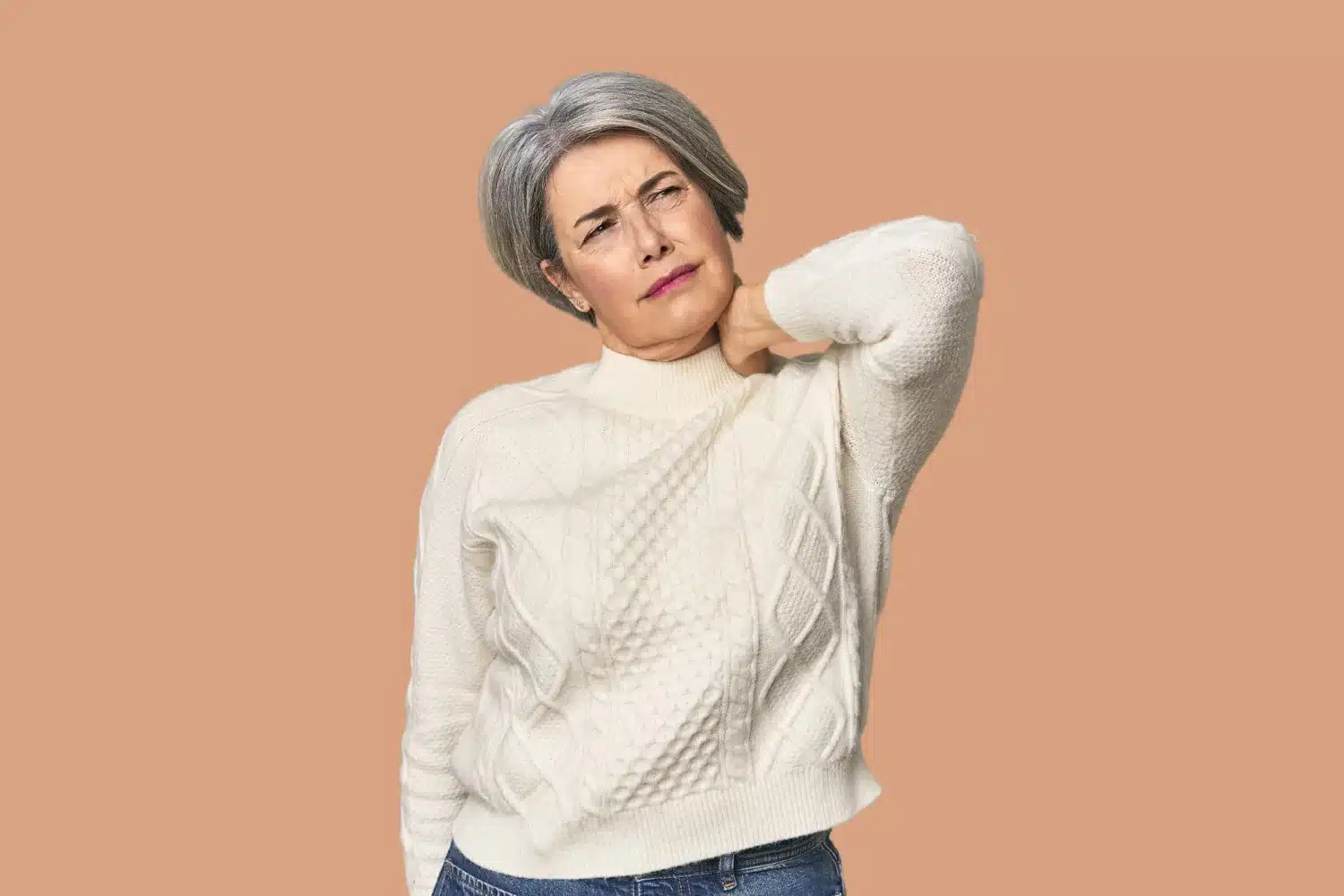
Symptoms vary from person to person, but some patterns are very common.
Joint Stiffness
Many women experience joint stiffness upon waking in the morning during menopause. Stiffness may be particularly noticeable in the knees, fingers, hips, and shoulders. This discomfort can also increase after prolonged sitting, cold weather, or poor sleep. In many cases, the stiffness gradually decreases after moving the body a little, doing light stretching, or starting to walk. However, some women may experience joint tightness or reduced flexibility at different times of the day.
Aching Muscles and Fatigue
Hormonal changes can affect muscle recovery, energy levels, and overall physical comfort. As a result, some women may notice changes such as muscle stiffness, fatigue after minimal activity, or decreased strength compared to before.
Shoulder, Hip, and Knee Pain
During menopause, many women experience weight-bearing joints such as the hips, knees, and lower back feeling more sensitive or painful than before. Aching, stiffness, or discomfort with movement may also occur in the shoulders.
For some people, the pain begins gradually. In contrast, others feel discomfort more during movement, using stairs, or standing for long periods. Some women may also develop a condition like frozen shoulder during this time, in which shoulder movement may become limited, and stiffness may increase.
Reduced Flexibility and Mobility
During menopause, muscles and connective tissue may feel tighter or less flexible, making body movement more restricted than before. Some women experience stiffness or limited mobility when walking, using stairs, exercising, reaching overhead, or performing everyday household tasks. Sometimes it may even feel like it takes more effort to move your body.
Can Menopause Increase Inflammation?
Hormonal decline can affect how the body responds to inflammation. In particular, decreased oestrogen levels can affect joint cushioning, collagen production, tissue repair, and pain regulation. This does not mean that menopause directly causes inflammatory disease, but stiffness, soreness, and joint discomfort may become more noticeable for many women during this time.
What can help reduce Menopause Joint Pain?
Although menopause-related joint pain can sometimes feel frustrating, many women experience noticeable improvement through regular movement, good recovery habits, balanced nutrition, and the right professional support.
Keep Moving With Regular Exercise
Regular movement can be one of the most helpful strategies for managing menopause joint pain. Being completely inactive can often worsen stiffness and joint discomfort. Low-impact exercise such as walking, swimming, cycling, a cross-trainer, or gentle mobility routines can be a comfortable option for many women. These can help improve circulation, keep joints active, and reduce stiffness without additional stress.
Stretching and Flexibility Work
Gentle stretching can often help reduce muscle tightness and make movement more comfortable. Regular flexibility work, in particular, can help keep joints and muscles active. Many women benefit from yoga, Pilates, Tai Chi, mobility exercises, or a simple daily stretching routine.
Healthy Diet and Nutrition
Diet can often affect inflammation, recovery, and bone health. Therefore, a balanced diet can support the management of menopause-related joint discomfort. For many, a diet rich in fruits and vegetables, lean protein, whole grains, healthy fats, oily fish, calcium-rich foods, and vitamin D sources can be helpful.
Supplements That May Help
Some women consider taking supplements such as vitamin D, calcium, magnesium, omega-3 fatty acids, turmeric, or glucosamine, depending on their individual needs and overall health. However, it is important to talk to a healthcare professional before starting any supplement or medication, as not everyone's body and health needs are the same.
Weight Management and Joint Health
Excess body weight can often put additional pressure on joints such as the knees, hips, ankles, and lower back. This can make discomfort or stiffness more noticeable during movement. Maintaining a healthy weight can help improve mobility and reduce excess stress on joints for some people.
Hormone Replacement Therapy (HRT) and Joint Pain
Some women report experiencing less joint discomfort or stiffness after taking HRT/hormonal therapy, as supporting hormone levels can often be linked to inflammation, joint comfort, muscle recovery, and bone density.
However, HRT may not be suitable for everyone. The appropriate treatment depends on age, medical history, risk factors, and symptom severity. Therefore, it is important to seek advice from a healthcare professional before considering hormonal treatment.
How can physiotherapy help during menopause?
Physiotherapy can play a supportive role in managing menopause-related joint pain and muscle discomfort for many women. A physiotherapist can assess the body's movement patterns, strength and mobility and create a plan tailored to individual needs.
Especially when pain begins to affect sleep, work, exercise, or daily activities, professional guidance can be very helpful.
Daily Habits That May Help You Feel Better
Sometimes, small daily habits can make a big difference in managing menopause joint pain. Maintaining a healthy routine is more important than occasionally making a very intense effort. Staying consistently active, ensuring adequate sleep, managing stress, stretching regularly, using supportive footwear, avoiding long periods of inactivity, maintaining hydration, and pacing physical activity gradually can be helpful for many women.
Menopause-related joint pain can be unexpected and frustrating for many women. However, proper movement, recovery habits, nutrition, and professional support can often help manage discomfort and make daily movement more comfortable.
Contact us today to discuss your symptoms, or message us to find out which treatment approach might be most suitable for you.