
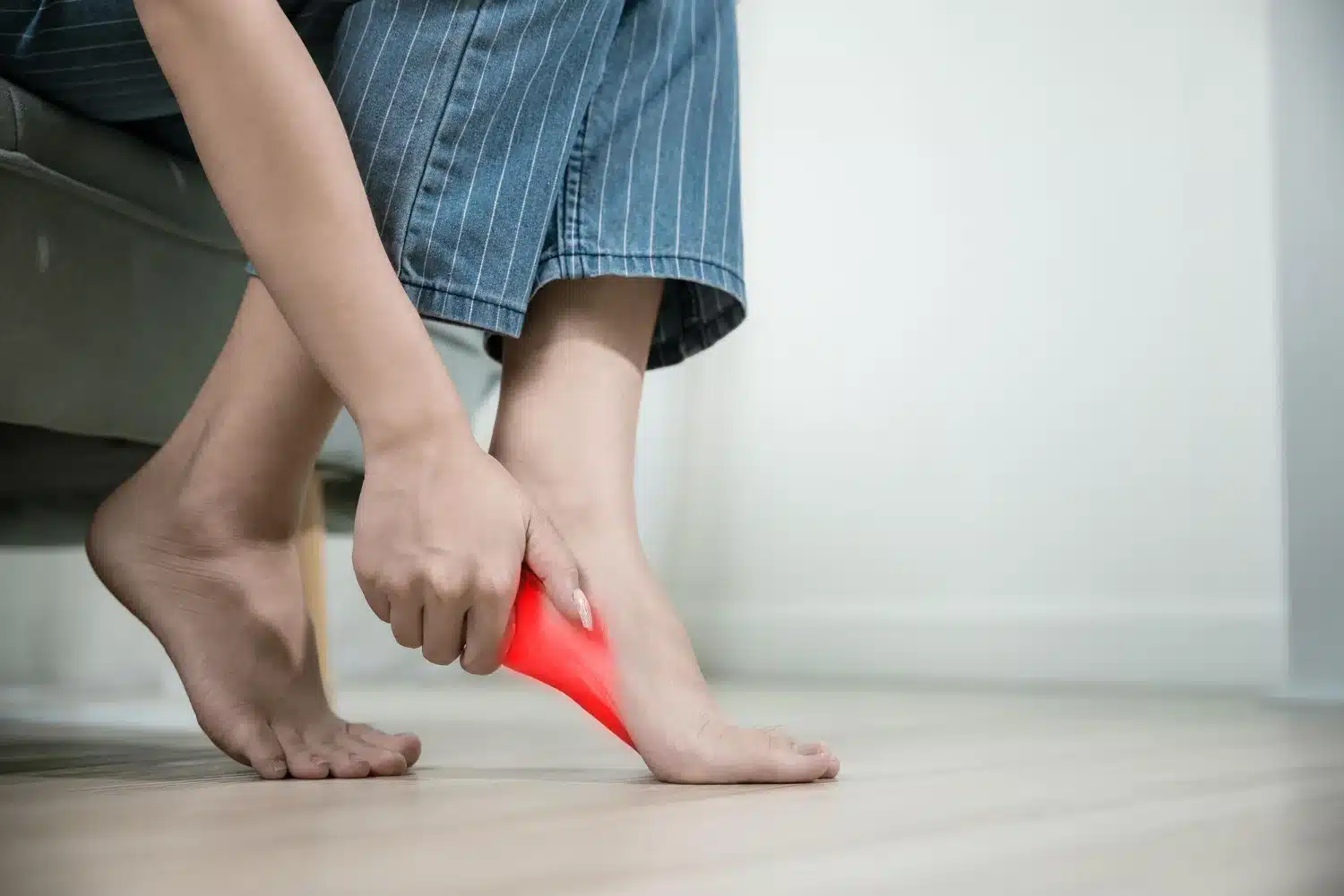
Do you feel a sharp pain in your ankle the first time you wake up in the morning and put your foot on the ground? Many people initially think it's just normal fatigue or temporary discomfort. But over time, this pain can become a daily problem, especially when it becomes difficult to walk, climb stairs, or stand for long periods. If you experience morning plantar fasciitis pain, you are not alone. This type of pain is usually felt most in the morning because the foot tissue tightens during rest at night. So the first few steps after waking up may feel more painful.
In this guide, we will understand why this pain occurs, what it indicates about your foot health, and how you can gradually find relief through proper care and treatment.
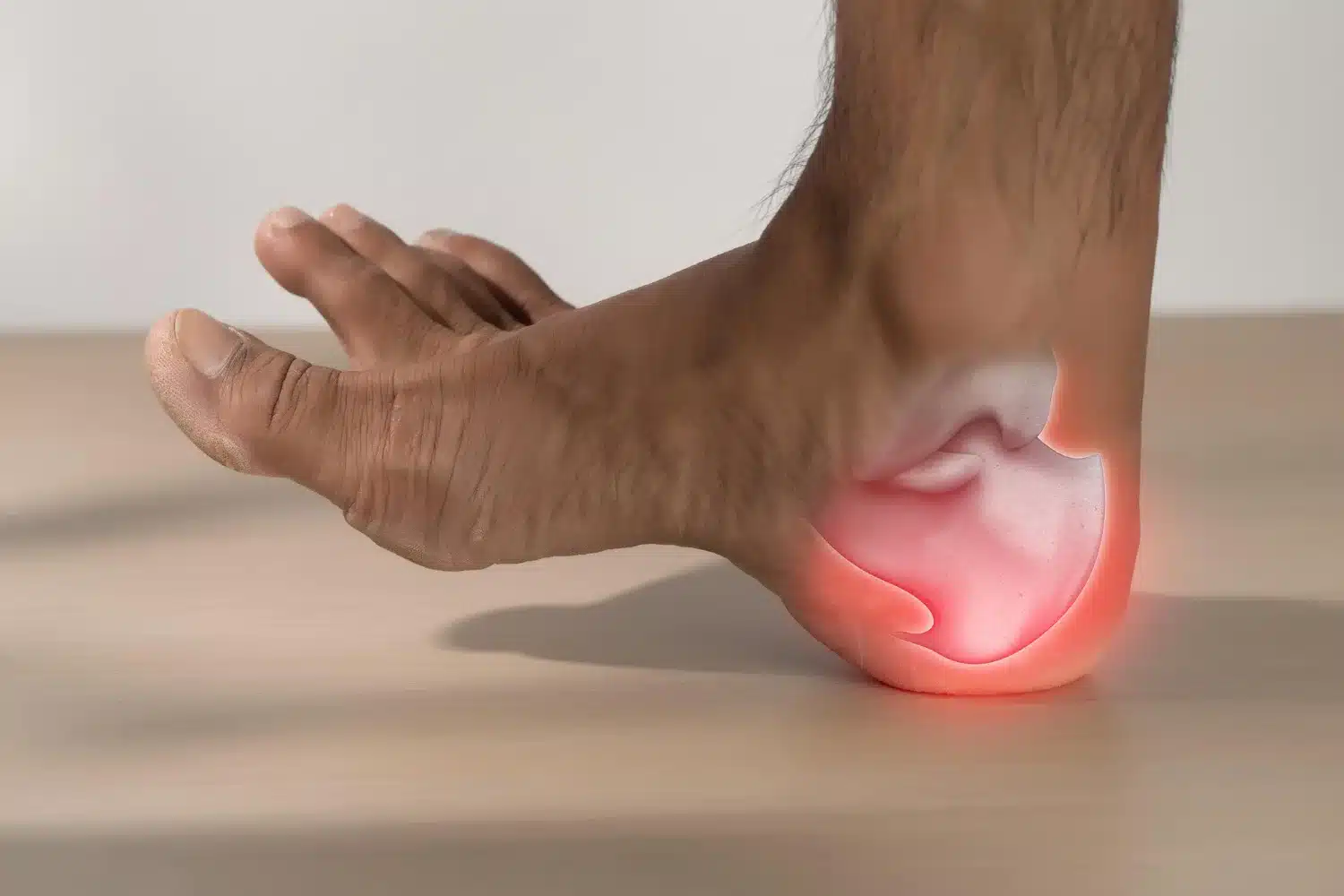
What Is Plantar Fasciitis?
Plantar fasciitis is a condition in which the thick connective tissue on the bottom of your foot, the plantar fascia, becomes irritated or inflamed.
This tissue is basically yours:
- Heel bone
- Toes are connected
And it plays an important role in supporting the foot arch while walking, running, or standing. Excessive pressure or repeated strain on this tissue can lead to small irritations. Over time, this can lead to heel pain and morning stiffness.

Why Is Heel Pain Worse in the Morning?
Our feet remain in one position for a long time while we sleep. This is when:
- Blood flow decreases slightly
- Muscles and connective tissue become tight
- The plantar fascia temporarily shortens
So when you first wake up in the morning and put your foot on the ground, the plantar fascia suddenly stretches. This sudden tension can cause severe ankle pain. Many people describe this feeling as a "stabbing pain," especially with the first few steps of the day. While the pain may subside slightly after walking for a while, the underlying irritation may persist.

Common Symptoms of Plantar Fasciitis Morning Pain
This condition usually develops slowly, but some symptoms are very common and easily noticeable.
- Feeling sharp heel pain with the first few steps after waking up in the morning
- Pain starts when you walk again after sitting for a long time or taking a rest.
- Feeling of tightness in the lower leg or calf area
- Tenderness or sensitivity when pressing on the bottom of the heel
These symptoms, when seen together, can strongly suggest this condition. Especially if the pain returns the same way every morning, it is best not to ignore the problem.
Main Causes
This condition commonly develops when excessive pressure affects the plantar fascia over a long period. This repeated stress can gradually lead to irritation and minor tissue strains.
The most common causes include:
- Excess stress or overuse on the plantar fascia
- Tight calf muscles, which increase tension on the heel
- The habit of walking barefoot on hard floors
- Using poor footwear without adequate support
- High-impact activities like running, jumping
- Excess body weight, which puts extra pressure on the foot arch

Plantar Fasciitis vs Other Heel Pain Conditions
Not all heel pain is the same. People often confuse the pain of this condition with other heel conditions. But it's important to understand the underlying cause to get the right treatment.
Common Symptoms Pattern
People often notice pain in the heel and arch of the foot with this condition. This pain is most noticeable upon waking in the morning or after a long period of rest. The main cause is irritation or inflammation of the plantar fascia tissue.
Heel Fat Pad Pain
Heel pad syndrome usually causes pain at the very bottom of the heel. The pain may worsen with prolonged standing or walking on hard surfaces. This is usually due to decreased heel cushioning.
How to Relieve Plantar Fasciitis Morning Pain
1. Stretch Before Getting Out of Bed
Standing up in the morning can suddenly put pressure on the plantar fascia, causing severe heel pain with the first few steps. So it's helpful to do a few minutes of gentle stretching before getting out of bed. Toe stretches, calf stretches, and foot flexion exercises gradually loosen the plantar fascia and surrounding muscles. This prevents sudden tissue tension and may reduce morning pain.
2. Wear Supportive Footwear
Wearing the right footwear is a very important part of plantar fasciitis management. Walking barefoot on hard surfaces can put more pressure on the heels, so it's best to wear supportive, cushioned shoes. Arch-supported footwear, in particular, helps maintain good foot alignment. In some cases, using orthotics or heel supports can also help reduce excess stress.
3. Apply Ice Therapy
Ice therapy to the heel area can temporarily reduce inflammation and soreness. People usually apply ice for 15–20 minutes, especially after prolonged walking or Activity. However, it is safer to use a towel or cloth instead of applying ice directly to the skin. Although this is not a permanent solution, it can be helpful in pain management.
4. Use a Night Splint
A night splint can be effective in reducing morning pain for many people. It keeps the plantar fascia gently stretched. At the same time, you sleep, so the tissue doesn't become overly tight overnight. This can help reduce the sharp pain you feel when you first put your foot on the ground in the morning.
5. Modify Activity
Repeated high-impact movements such as running or jumping can further irritate the plantar fascia, so it's best to modify your Activity slightly during the recovery period. Low-impact exercise, such as cycling or swimming, can often be a safer alternative. It allows you to stay active without putting additional stress on your foot tissue and supports the recovery process.
Prevention Tips
While it's not always possible to completely prevent plantar fasciitis, following some daily habits can help reduce excess pressure on the heel and greatly reduce the risk of future flare-ups. Maintaining a healthy weight is important, as excess body weight can put additional stress on the foot arch and heel. Similarly, regular calf and foot stretching can reduce the chances of the plantar fascia becoming overly tight.
Wearing proper footwear is also very important. Wearing shoes without adequate arch support and cushioning for long periods of time can increase heel irritation. Additionally, standing for long periods or working on hard surfaces can repeatedly strain foot tissue. Hence, it's best to take occasional breaks if possible.
What Happens If You Ignore It?
Plantar fasciitis may seem like a minor problem at first. Still, if ignored for a long time, it can become a chronic condition. Many people continue to tolerate the pain, but repeated strain and inflammation gradually put more pressure on the heel tissue.
Over time, chronic heel pain can develop, making it difficult to walk or stand daily. In many cases, people change their walking style to avoid the pain, which can later affect the knee, hip, or lower back.
When Should You See a Specialist?
Plantar fasciitis often does not completely resolve with rest or basic care at first. If heel pain persists for more than 2–3 weeks or recurs every morning, it is best to seek professional assessment.
Similarly, if walking becomes difficult or pain begins to affect daily activities, you should no longer ignore the problem. Targeted treatment may be necessary, especially if there is no improvement after trying home remedies, stretching, or changing footwear.
The morning pain of plantar fasciitis can be frustrating and exhausting at times, especially when you start your day with heel pain. But the good news is that proper care and timely treatment can help manage this condition over time. Proper stretching, supportive footwear, activity modification, and targeted treatment can often help reduce pain, improve mobility, and return to normal daily life. The most important thing is not to ignore symptoms for too long. If heel pain every morning begins to affect your walking or daily activities, it is best to seek professional support without delay.