
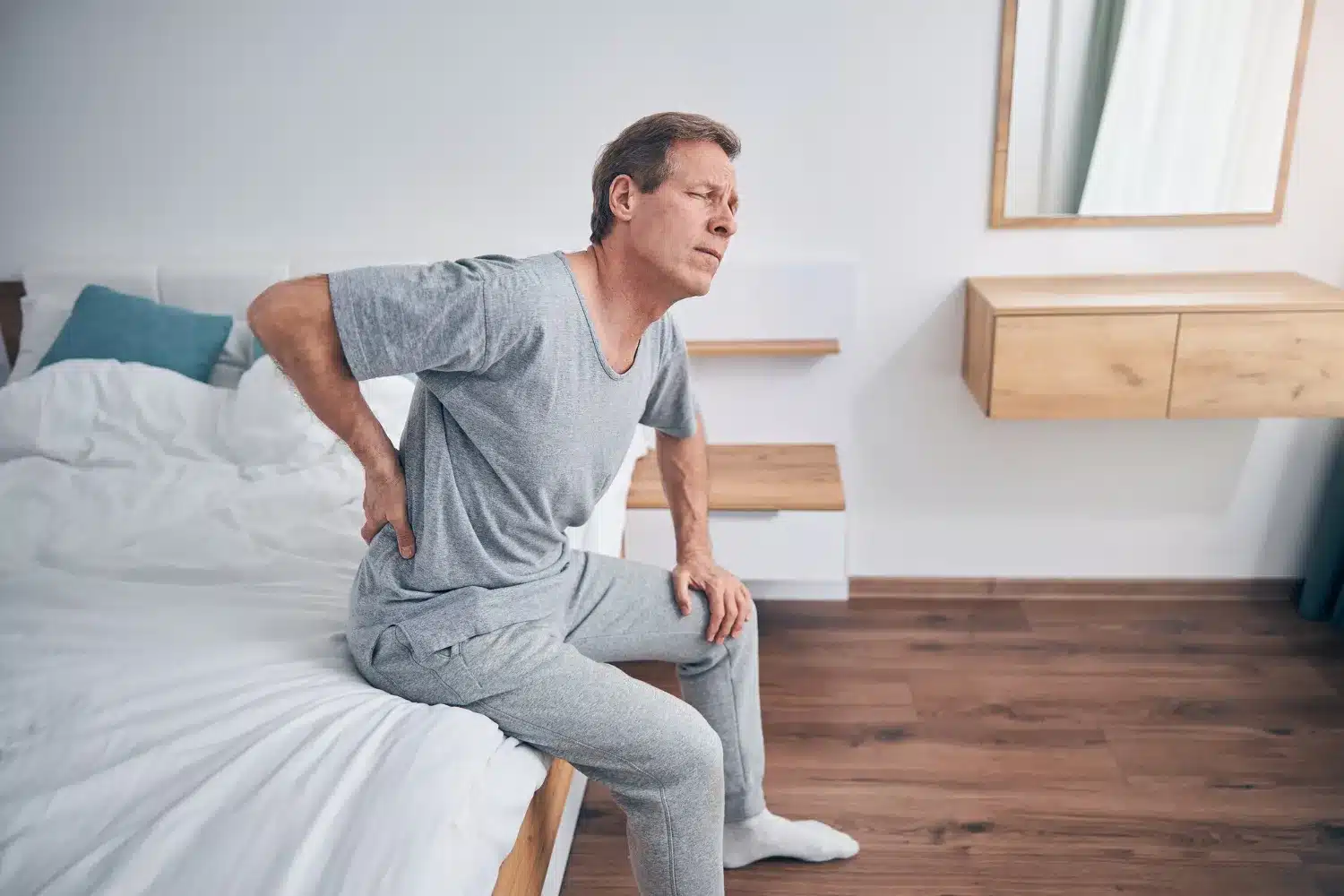
When you stand up after hours of sitting at a desk, you may feel a dull ache in your lower back, sometimes accompanied by sharp discomfort spreading from your buttocks to your legs. The question then naturally arises: can sitting for long periods of time cause or worsen sciatica?
Prolonged sitting can contribute to or worsen sciatica symptoms in some cases, especially when combined with poor posture, reduced movement, or pre-existing spinal or nerve irritation. In this guide, you'll learn why sitting for long periods of time can affect symptoms, what signs to look out for, and how you can make practical changes to your daily routine.

Can Prolonged Sitting Cause Sciatica?
Yes, sitting for long periods of time can create, trigger, or worsen sciatica symptoms in some people. This is especially true if you stay in the same position for a long time, move less, or maintain poor posture, which can increase pressure on the lower back and sciatic nerve.
However, prolonged sitting alone is not always the root cause of sciatica. Factors such as disc problems, nerve irritation, or pre-existing spinal issues can also play a role in sciatica pain.

Why Can Sitting Make Sciatica Worse?
Increased pressure on the lower back
Sitting for long periods of time can increase sustained loading on the lumbar region. This can add pressure to irritated structures in the lower back, making sciatica symptoms more noticeable or uncomfortable.
Poor posture and spinal position
If you slouch, lean forward, or sit without enough support, your lower back position can change. This posture can worsen existing irritation or pain in some people.
Reduced movement and muscle weakness
Prolonged inactivity can reduce the conditioning of your hip and core muscles. At the same time, stiffness may increase, which can place additional demands on your lower back and surrounding muscles during movement.
How Long Is Too Long to Sit With Sciatica?
There is no one-size-fits-all definition of how much sitting is "too much" for sciatica. You may benefit more from changing positions regularly rather than staying in the same position for long periods of time. If your symptoms start to increase, consider it a cue to move or take a break.
Instead of sitting for long periods, stand up, take short walks, or do gentle movements. The goal is not to find a "perfect" sitting position and hold it for long periods of time, but to regularly break up long periods of stillness.
Which Sitting Habits Can Aggravate Sciatica?
Slouched or unsupported sitting
Sitting slouched or without lower back support for long periods can change pressure patterns in the lumbar region, which can increase sciatica symptoms in some people.
Sitting cross-legged for long periods
Sitting cross-legged for long periods can put your hips and pelvis in an asymmetrical position. This prolonged asymmetrical position can make symptoms more noticeable in some people.
Sitting on an uneven surface
Sitting on an uneven surface may not support your pelvis evenly. This can cause local pressure or changes in pelvic position, which can increase discomfort for some people.
Staying in one position for too long
A particular posture doesn't always cause problems for everyone. However, staying in the same position for long periods of time can increase stiffness and discomfort. So change positions regularly and take short movement breaks.
What Can You Do If Sitting Triggers Your Sciatica?
If you experience sciatica symptoms while sitting, take regular movement breaks and change positions. Use appropriate lower-back support and keep your feet supported on the floor. Avoid sitting in awkward positions for long periods. Include appropriate physical activity in your daily routine, and if you work at a desk, review your workstation ergonomics. Instead of sitting all the time, you can also add occasional standing or short walks to your routine.
When Should You See a Physiotherapist for Sciatica?
If your symptoms are persistent or if the pain interferes with work, sitting, walking or normal activities, you may want to consider a physiotherapy assessment. An assessment may be useful if symptoms recur while sitting. Even if you're unsure whether your symptoms are truly related to the sciatic nerve, a professional assessment can help. A physiotherapist can assess your movement, symptoms and contributing factors and help determine whether physiotherapy is appropriate for you.
Sitting for long periods of time can aggravate or trigger sciatica symptoms in some people, especially when combined with poor posture, reduced movement, or underlying problems. Take regular movement breaks, use sensible sitting habits, and change positions as needed. Consider individual assessment if symptoms persist.
If sitting-related sciatic pain affects your everyday movement, work, or activity, MB Massage & Physiotherapy Centre can assess your symptoms and help you find the right management approach.