
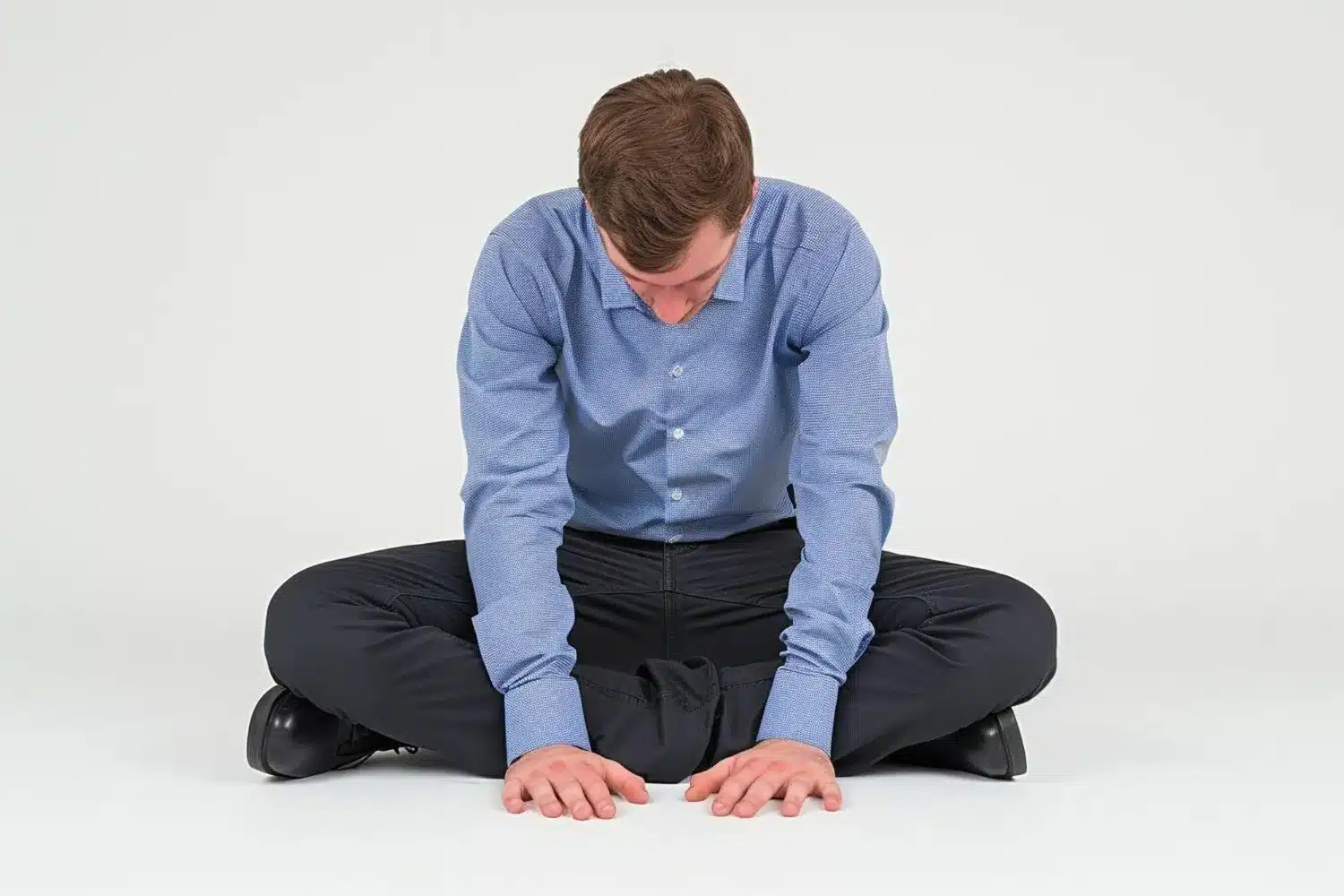
Have you ever felt stiffness, tension, or discomfort in the front of your hips when you stand up after sitting at a desk for hours? Prolonged sitting has become part of many people's daily lives because of office work, remote work, long commutes, and other factors. As a result, many people notice their hips don't move as naturally as they used to.
Tight hips, tension in the front of the hip, and decreased hip mobility are common after long periods of sitting. The hip flexors, in particular, can feel tight or uncomfortable if they stay shortened for a long time.
In this guide, you'll learn why sitting all day can lead to tight hips, what symptoms to watch for, and what you can do to improve flexibility and comfort.

Why Do Hips Get Tight from Sitting All Day?
Sitting for long periods keeps the hip flexors shortened. Over time, this can contribute to tightness, reduced mobility, and discomfort around the hips and lower back.
It may lead to:
- Tight hip flexors
- Reduced mobility
- Hip stiffness
- Lower back discomfort
- Changes in posture
Regular movement, stretching, and strengthening exercises can help reduce tightness and improve hip mobility.
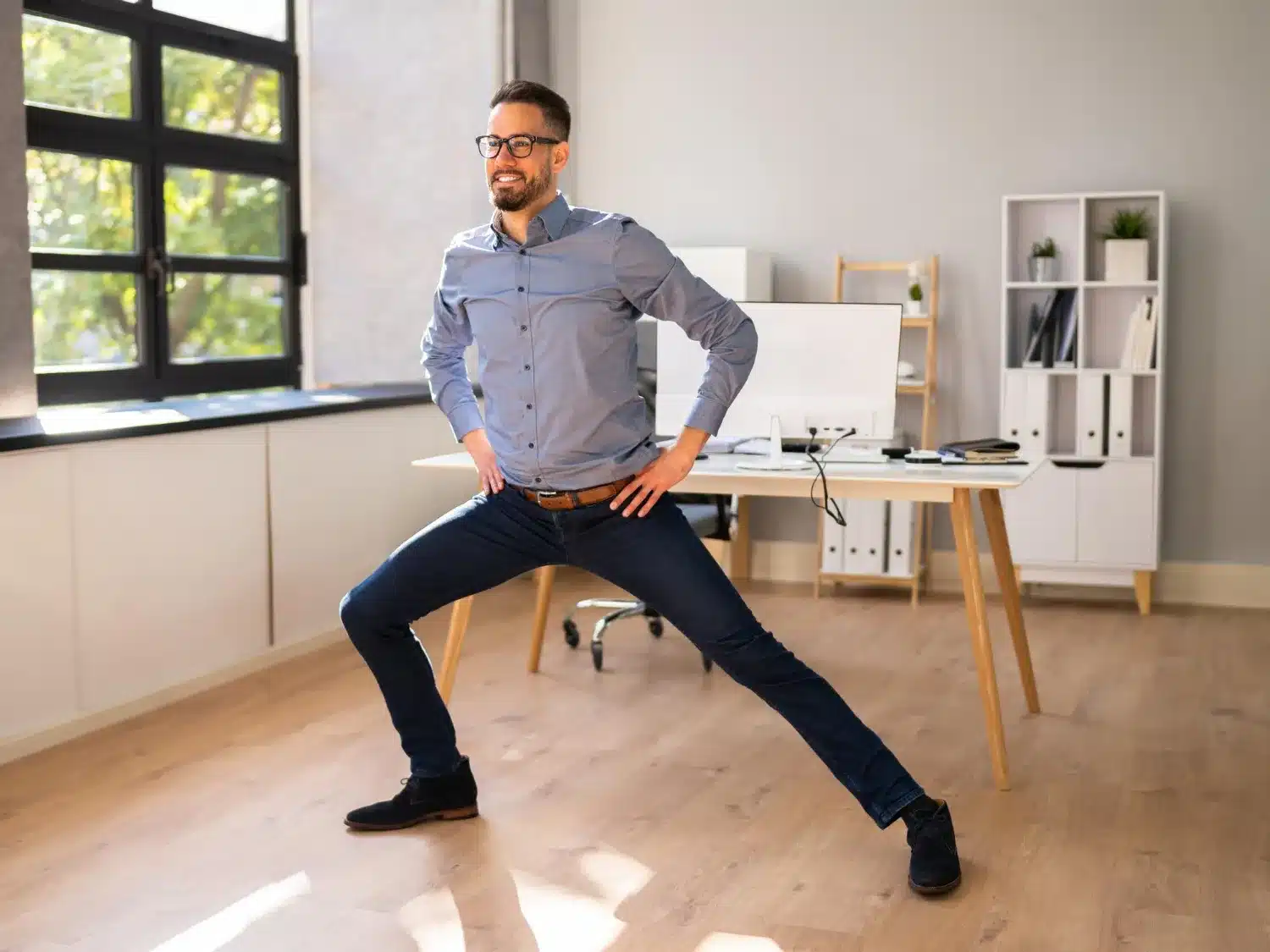
What Are the Hip Flexors?
Hip flexors are a group of muscles located on the front of your hip. These hip flexor muscles play an important role in lifting the legs and hips forward.
They are primarily responsible for a movement called hip flexion, which is when you bring your knee toward your chest or move your leg forward. Hip flexors are active during walking, climbing stairs, standing up from a chair, and many daily tasks.
These muscles tend to shorten during prolonged sitting, which is why many people experience tightness or stiffness in the front of their hips after sitting for long periods.
Why Sitting All Day Causes Tight Hips
When you sit for long periods, the muscles in the front of your hips remain relatively short. Working in an office, working remotely, or sitting at a desk for long periods of time every day has made this situation more common.
Normally, hip flexors are active during walking, standing, and various movements. But if you sit for a long time, these muscles become less active and stay in the same position. Over time, the body may begin to adapt to this condition.
In some people, this adaptation is called adaptive shortening, where muscles may feel tighter because they are constantly shortened. This can result in tight hip flexors, decreased mobility, and discomfort when getting up from a sitting position.
Common Signs of Tight Hips
Tight hips don't always start with a sharp pain. Sometimes they develop gradually and become more noticeable during everyday activities.
Common symptoms include:
- Hip stiffness: Hips feeling stiff or less flexible
- Front hip discomfort: Front of your hip or feeling tightness or discomfort in the front of your hip
- Lower back pain: Some people may also experience discomfort or pain in the lower back.
- Difficulty standing after sitting: Uncomfortable standing up after sitting for a long time
- Reduced mobility: Feeling limited in walking, bending, or some movements normally
- Tight feeling when walking: Feeling of tightness around the buttocks while walking
Although these symptoms do not always indicate hip pain, if they occur regularly, it may be beneficial to review hip mobility and daily habits.
How Tight Hips Can Affect the Rest of the Body
Hip stiffness is not limited to the hip joint. In some people, it can also affect the movement and comfort of other parts of the body.
When the hips cannot move normally, the body often tries to compensate by using other parts. This process is called movement compensation. For example, some people may unconsciously shift their weight more to one side when walking or standing.
Additionally, decreased hip mobility can change the pelvis's normal position, which can put extra pressure on the lower back in some people. This may cause stiffness or discomfort in the waist.
In some cases, knee discomfort may also occur during walking, using stairs, or other daily movements. Tight hips are often not just a local problem; they can affect how the entire body moves.
Best Stretches for Tight Hips
Regular stretching can help reduce hip tightness and make movement feel more natural for many people. Move slowly when stretching, and don't force yourself into positions that cause pain.
Kneeling Hip Flexor Stretch
Place one knee on the ground and the other leg in front. For example, the left knee may be in front, bent at a 90-degree angle, while the other knee remains on the ground. Slowly lean forward until you feel a slight stretch in the front of your hip. Hold for 20-30 seconds, then repeat on the other side. This stretch can help reduce tension in the hip flexors.
Pigeon Stretch
Sit on the ground and fold one leg forward. For example, keep the left leg folded in front of the body and extend the other leg behind. Then slowly lean forward. This can stretch the muscles in your hips and help improve hip mobility.
Butterfly Stretch
Sit on the floor and bring the soles of your feet together. Let your knees drop naturally to your sides. Try to keep your hip bones flat on the floor. It's normal to feel a gentle stretch in this position. Hold for 20–30 seconds.
Seated Figure-4 Stretch
This is a convenient stretch for those who sit at a desk for long periods of time or for office workers. Sit on a chair and place the heel of one foot on the knee of the other. Then slowly lean forward. You may feel a slight stretch in the back of your buttocks.
Foam Roller Stretch (Optional)
Some people find relief by using a foam roller to apply pressure to the buttocks and surrounding muscles. Although it doesn't directly lengthen tight hip flexors, it can help reduce discomfort and improve mobility in some cases. Use slowly and avoid applying excessive pressure.
The Most Overlooked Solution: Move More Often
Many people rely solely on stretching to relieve hip tightness. While stretching can be beneficial, regular movement throughout the day is equally important. If you sit in the same position for long periods, the benefits of a short stretching session can quickly diminish.
So try to take regular movement breaks during the day. Walking for a few minutes, changing positions, or doing light movements can help relieve the hips from the effects of being stuck in the same position for a long time. Even if you use a standing desk, you still need to move regularly. The goal should be not just to sit or stand, but to allow your body to move repeatedly throughout the day.
Simple Ways to Prevent Tight Hips
Preventing hip tightness can often be easier than resolving it after it occurs. One of the most important habits is to take regular hourly movement breaks. Standing up and walking around for a short time at least once an hour can help.
Regular physical activity, strength training, and mobility work can also help keep the hips active. Adding a few simple hip flexor stretches to your daily routine can also help, especially if you sit for long periods.
Still Struggling With Tight Hips Despite Stretching?
If hip tightness recurs repeatedly or persists for a long time even after stretching, mobility work, and taking regular movement breaks, there may be another cause. In some cases, joint restrictions, muscle imbalances, or specific hip conditions can cause movement limitations and discomfort.
If hip tightness affects your walking, standing, exercising, or other daily activities, you may need a more detailed evaluation. A physical therapist or physiotherapist can help better understand the problem by evaluating possible causes.
At Rugby, we help people improve mobility, reduce discomfort, and identify the causes behind chronic hip tightness.