
At the end of the day, the body may not be very tired, but there is a suppressed discomfort inside; digestion is not going well; the body always feels tense; and the mind can never fully relax. Many times we think it's just the effects of stress or a busy lifestyle. But in some cases, the problem may not be limited to the muscles or joints. Still, it may also involve the body's deeper nervous system. The Vagus nerve, which is closely associated with relaxation, plays an important role here. This is why interest in Visceral massage has increased significantly in recent times.
In this article, we will understand what vagus nerve stimulation entails, how visceral massage works, and why it is increasingly popular in modern therapy.

What Is the Vagus Nerve?
The vagus nerve is the longest cranial nerve, originating in the brain and connecting to various important organs. Simply put, it is a major part of the communication system between your brain and body.
This nerve mainly connects:
- Brain: Gut
- Heart: Lungs
- Nervous system: Internal organs
This is why the vagus nerve is involved in many important body functions.
For example:
- Regulate heart rate
- Supports digestion
- Managing stress response
- Plays a role in emotional regulation
Simply put, the vagus nerve is an important part of the body's "rest and recover" system. This system helps activate when the body tries to transition from stress mode to a calm state.
Why Vagus Nerve Stimulation Matters?
The vagus nerve plays a key role in the body's relaxation and recovery responses. When this system is out of balance, the body can often remain in a state of stress for long periods. This can lead to some common problems, such as:
- Always feeling stress or tension in the body
- Digestion feels slow or uncomfortable
- Increased anxiety or restlessness
- Slowing down the body's natural recovery process
This whole thing is basically related to the Parasympathetic nervous system. This part of the nervous system helps the body calm down, restore energy, and support recovery.
What Is Visceral Massage?
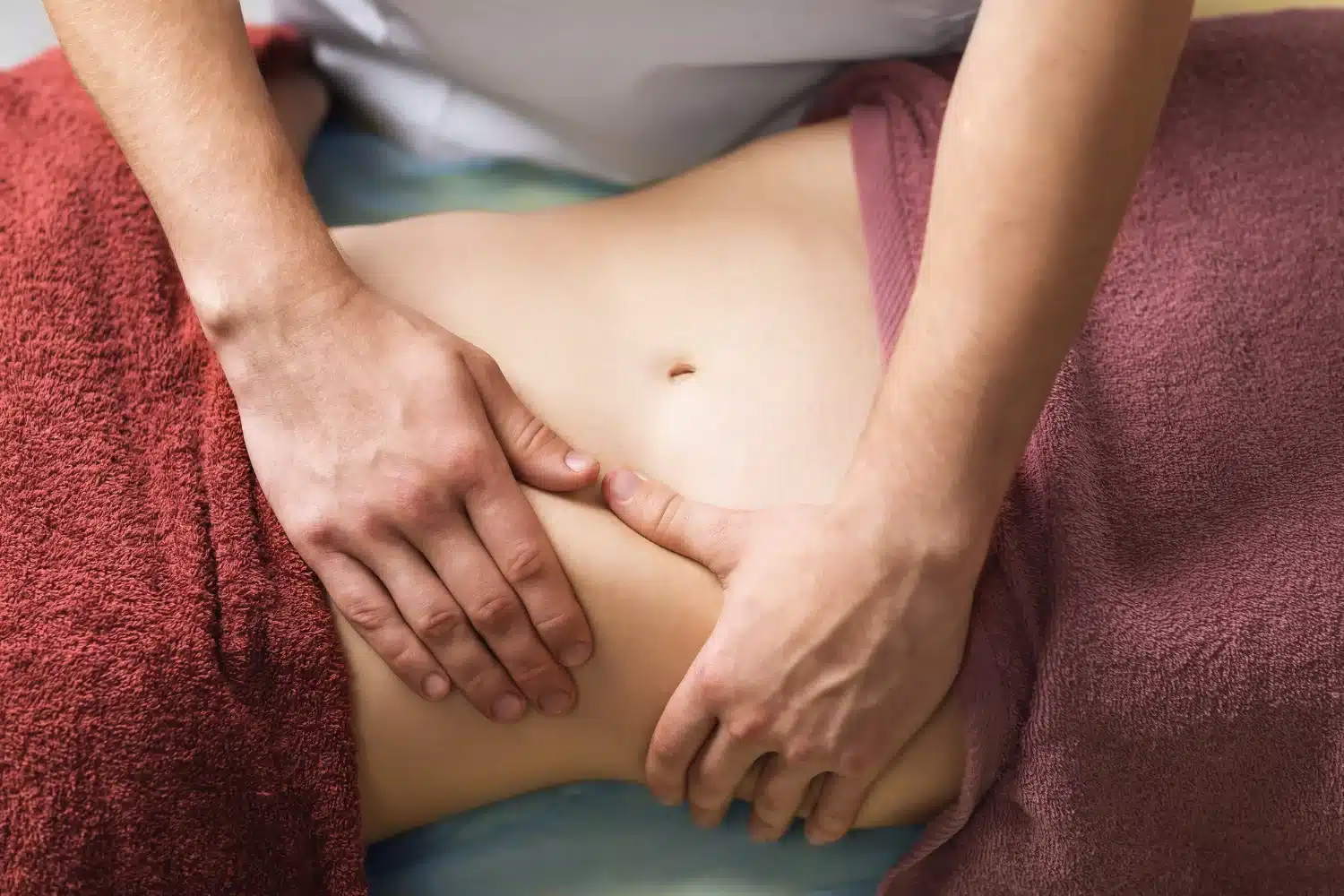
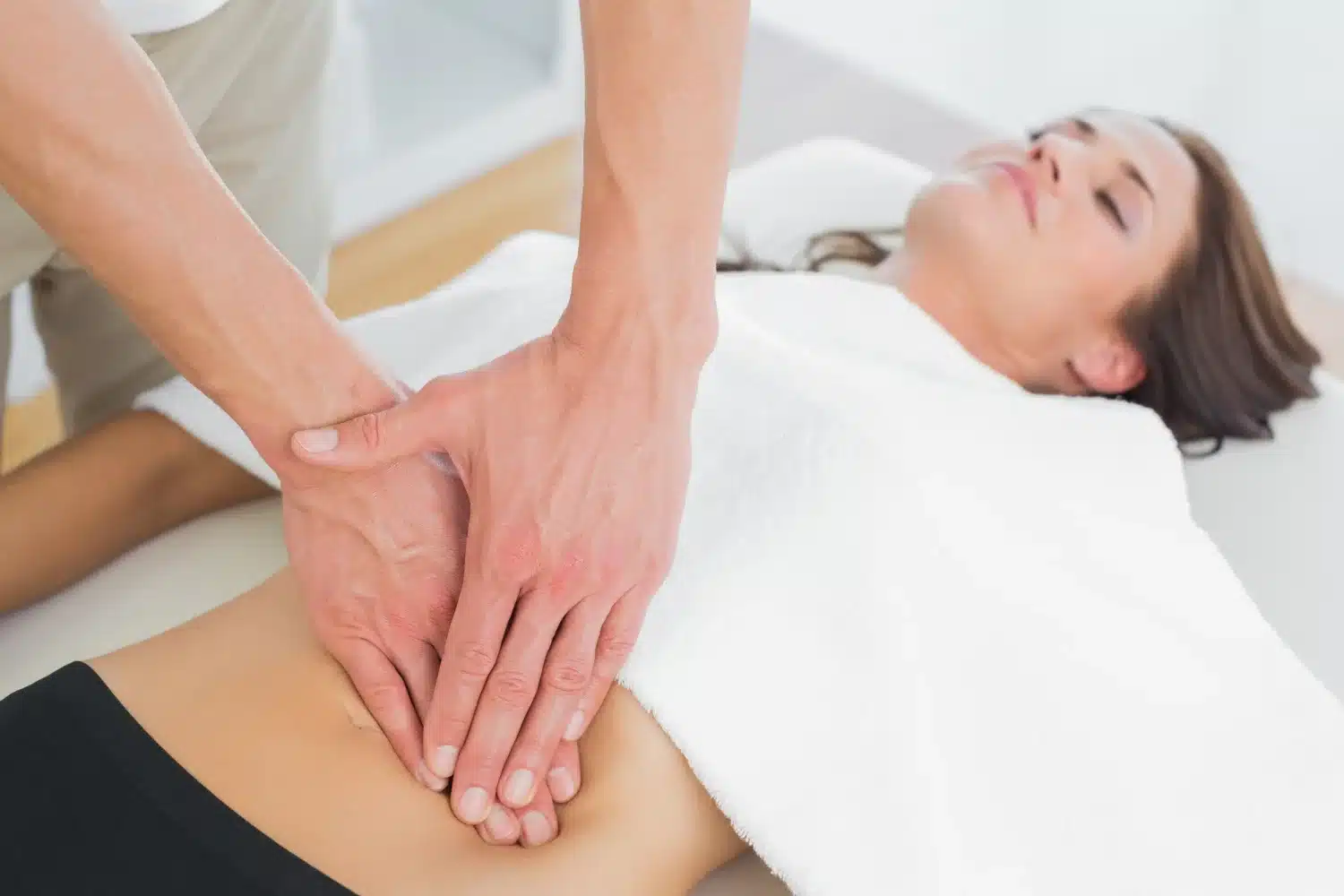
Visceral massage is a gentle, hands-on therapy that primarily focuses on the abdominal area and the body's internal tissues. In this type of therapy, the practitioner uses gentle, controlled techniques on the surrounding fascia and connective tissue, as well as the abdominal tension of internal organs.
While regular massage typically focuses on muscle tightness or soreness, visceral massage is more concerned with internal movement, tissue mobility, and nervous system response. Its goal is generally to reduce abdominal tension, improve body awareness, and support the relaxation response.
How Visceral Massage Stimulates the Vagus Nerve?
There is currently a lot of discussion about the connection between visceral massage and the vagus nerve. Although researchers still need to study this topic further, some therapy practitioners believe that gentle abdominal bodywork can support the body's relaxation response.
Releasing Fascial Restrictions
The abdominal area may feel tight if the body's fascia and connective tissue are under prolonged tension. According to some therapists, gentle visceral techniques can help release some of this fascial restriction, thereby improving body awareness and comfort.
Improving Circulation
Gentle abdominal massage can help support blood circulation and lymphatic flow. Better circulation can help create a supportive environment for body tissue and nervous system function.
Activating Relaxation Response
Many people experience deep relaxation during visceral massage. This calming response may be related to the parasympathetic nervous system, which helps the body move from stress mode to a “rest and recover” state.
Enhancing the Gut-Brain Axis
People often call the communication system between the gut and the brain the "gut-brain axis" because the vagus nerve creates an important link between digestion and the nervous system. In some cases, relaxation-focused bodywork can help support digestive comfort and overall nervous system balance.
Key Benefits of Visceral Massage for Vagus Nerve Stimulation
Many people interested in visceral massage primarily want to learn about relaxation, digestive support, and nervous system balance. Although experiences may vary from person to person, some people report experiencing the following benefits from this type of therapy.
Reduces Stress & Anxiety
Gentle abdominal bodywork can often help the body feel calm. Relaxation-focused therapy can support the reduction of the stress response, helping the nervous system feel less tense.
Improves Digestion
In some cases, visceral massage can help reduce abdominal tension and support digestion-related comfort. People often report experiencing less bloating, heaviness, or digestive discomfort.
Enhances Vagal Tone
"Vagal tone" refers to the body's ability to recover from stress. People believe that relaxation-based practices and calming bodywork can help support this response.
Supports Hormonal Balance
The nervous system and hormone regulation are closely connected to gut-brain communication. Although it is a complex process, some therapists believe that relaxation and nervous system support can help improve overall body balance.
Promotes Deep Relaxation
Many people experience deep relaxation or a sense of lightness after a visceral massage session. This can help support better sleep, reduced body tension, and an overall feeling of recovery.
Signs You May Need Vagus Nerve Support
If there is constant stress in the body for a long time, unnecessary tension inside, or a feeling of always being "on edge", it may be an indication of nervous system overload. Many people also report digestive discomfort, poor sleep, low energy, or a feeling of tightness inside the body. While there may be various causes behind these symptoms, in some cases they may also be related to nervous system imbalance and a less active relaxation response.
How to Do Vagus Nerve Massage? (Simple Guide)
Many people use some gentle self-massage techniques as a relaxation practice to support the vagus nerve. The most important thing here is to use very light pressure and keep the body calm.
First, sit or lie down in a comfortable position. Then use your fingers to gently massage the area below your neck and around your ears in a circular motion. Some branches of the vagus nerve connect to this area.
Then slowly bring the movement down from the neck to the chest. It is best to work very slowly and relaxedly during the massage. At the same time, practicing deep breathing can help the body feel calmer. This gentle relaxation practice is usually done for about 5–10 minutes each day.
Other Ways to Stimulate the Vagus Nerve
Not only massage, but also other relaxation-focused habits can help support the vagus nerve. For example, deep breathing practices can help calm the body, while regular exercise can help support stress regulation.
Some people also practice cold exposure, singing, or humming because these activities can influence breathing patterns and nervous system responses. Similarly, maintaining a healthy diet and good digestion can also play an important role in supporting the gut-brain connection.
Who Can Benefit Most?
Visceral massage and relaxation-focused vagus nerve support approaches may be more helpful for some people. Especially those who work at a desk or in an office for long periods of time often experience constant tension, shallow breathing, or stress overload in their bodies.
When to Avoid This Therapy?
Visceral massage may not be appropriate in all situations. In some cases, it is important to avoid this type of abdominal bodywork or seek professional advice first.
For example, the abdominal area may still be sensitive after recent surgery. Similarly, if there is an infection, unexplained severe pain, or active inflammation in the body, massage may increase discomfort. Additionally, you should seek the advice of a qualified healthcare professional before undergoing abdominal therapy during early pregnancy.
Visceral massage can also serve as a supportive approach to stress management, digestion support, and nervous system relaxation for many. Gentle bodywork and relaxation-focused care can often help the body feel calmer and more balanced. If you experience prolonged stress, body tension, or digestive discomfort, you can explore a safe, professionally guided approach to visceral massage.