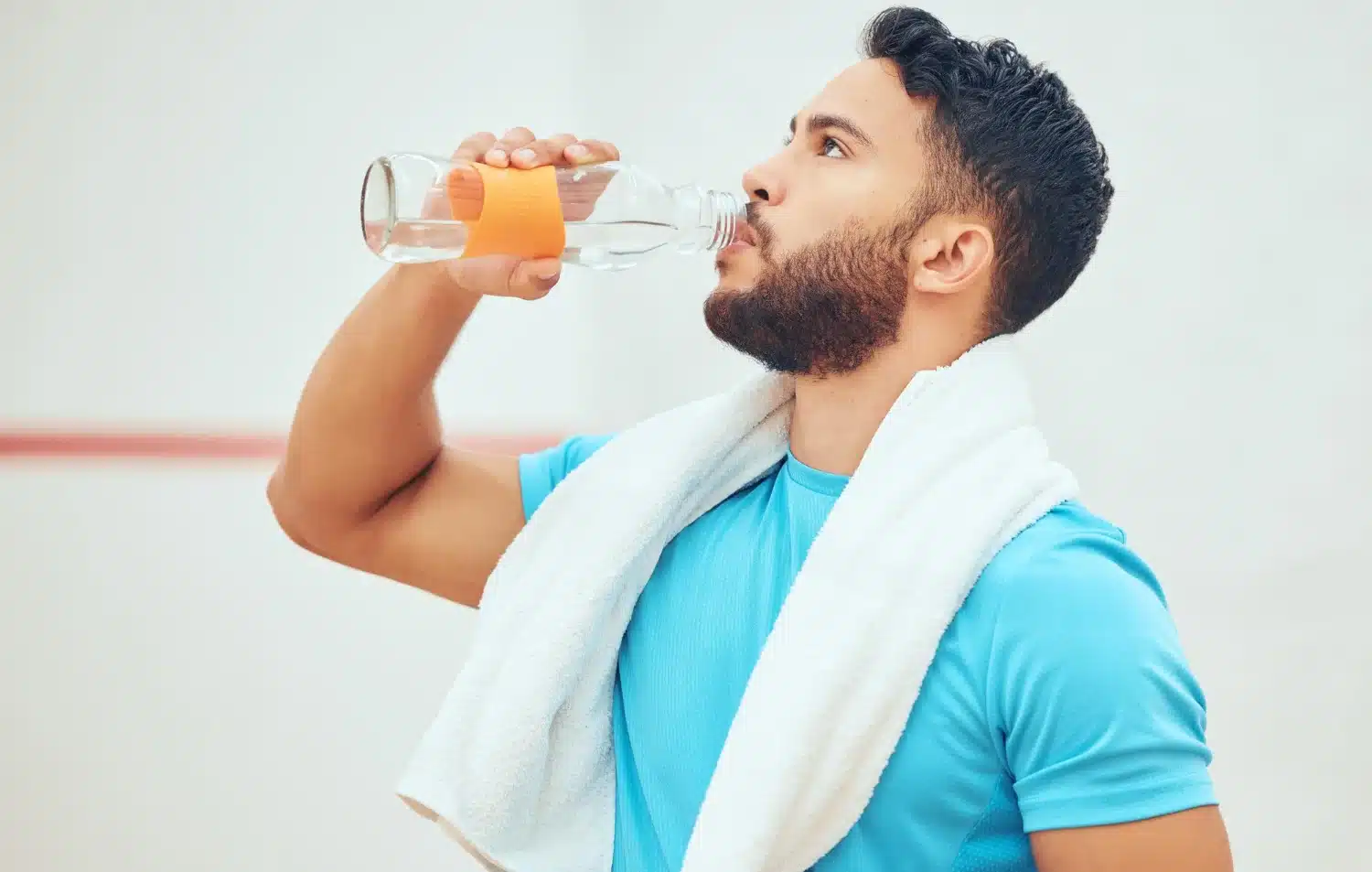
After a massage session, the body often feels lighter, the muscles feel more relaxed, and people often hear one piece of advice before leaving the clinic: "Drink more water."
While many people hear this advice regularly, very few people know the real reason behind it. Does massage really help remove toxins from the body? Can drinking less water increase soreness? And exactly how much water should you drink after a massage? The reality is much simpler and more practical than many of the myths circulating online.
In this guide, we'll explain why water can be important after a massage, what happens in the body during a massage, and whether massage really "flushes toxins." How hydration can support recovery, what to avoid after treatment, and which aftercare practices can help keep the body more comfortable after the session.
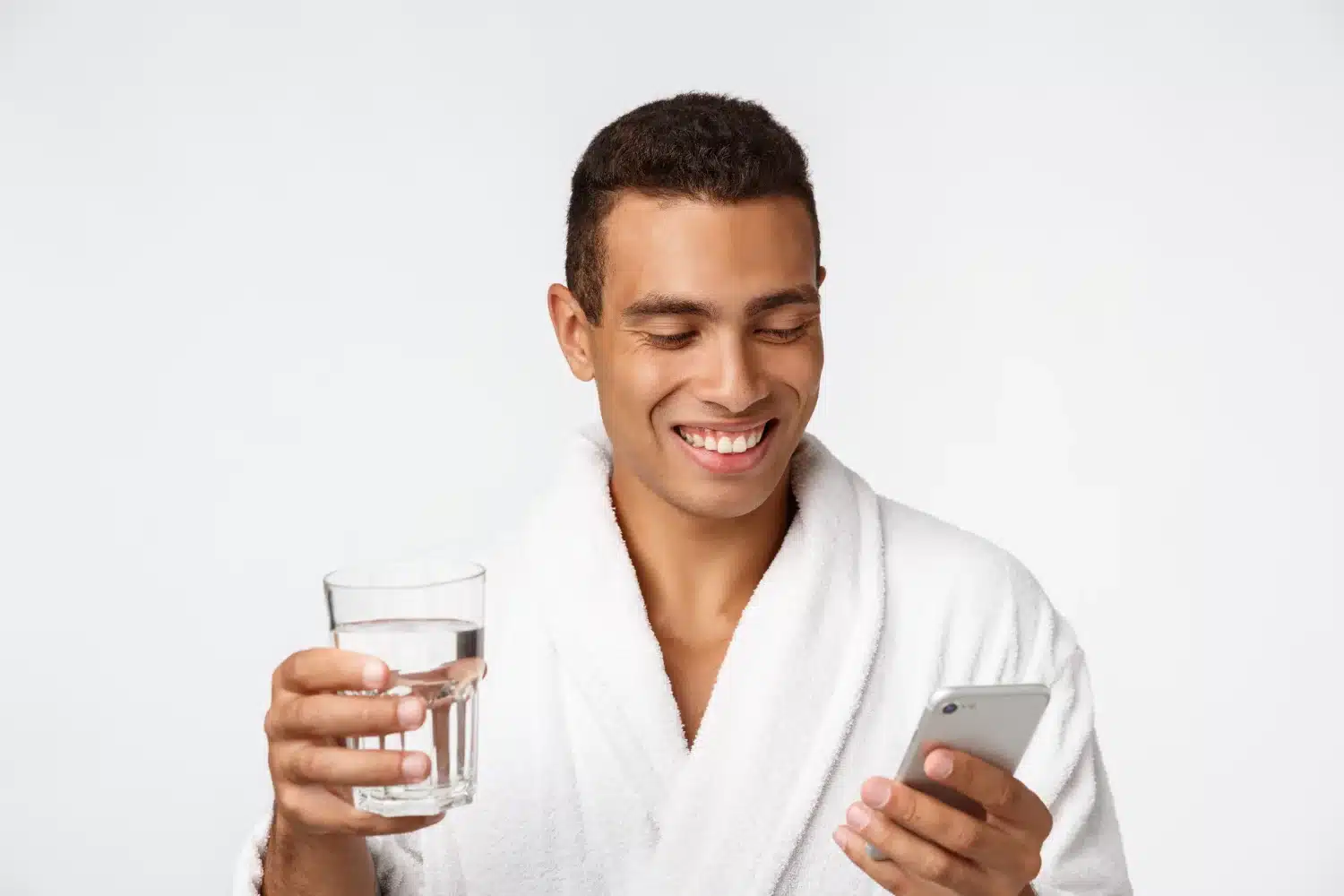
Why do therapists tell you to drink water after a massage?
The advice to drink water after a massage is not just a common practice. Massage therapy can temporarily increase blood circulation, warm soft tissue, and change fluid movement within muscles and fascia. This is why staying hydrated after treatment can help the body settle more comfortably and support normal recovery.
During a massage, blood circulation usually increases, muscles relax, soft tissues warm, and the nervous system gradually shifts into a calmer state. Some people may experience mild fatigue, thirst, temporary soreness, light-headedness, or a mild headache due to these changes. Drinking enough water can often help reduce these after-effects and support the body's natural recovery process.
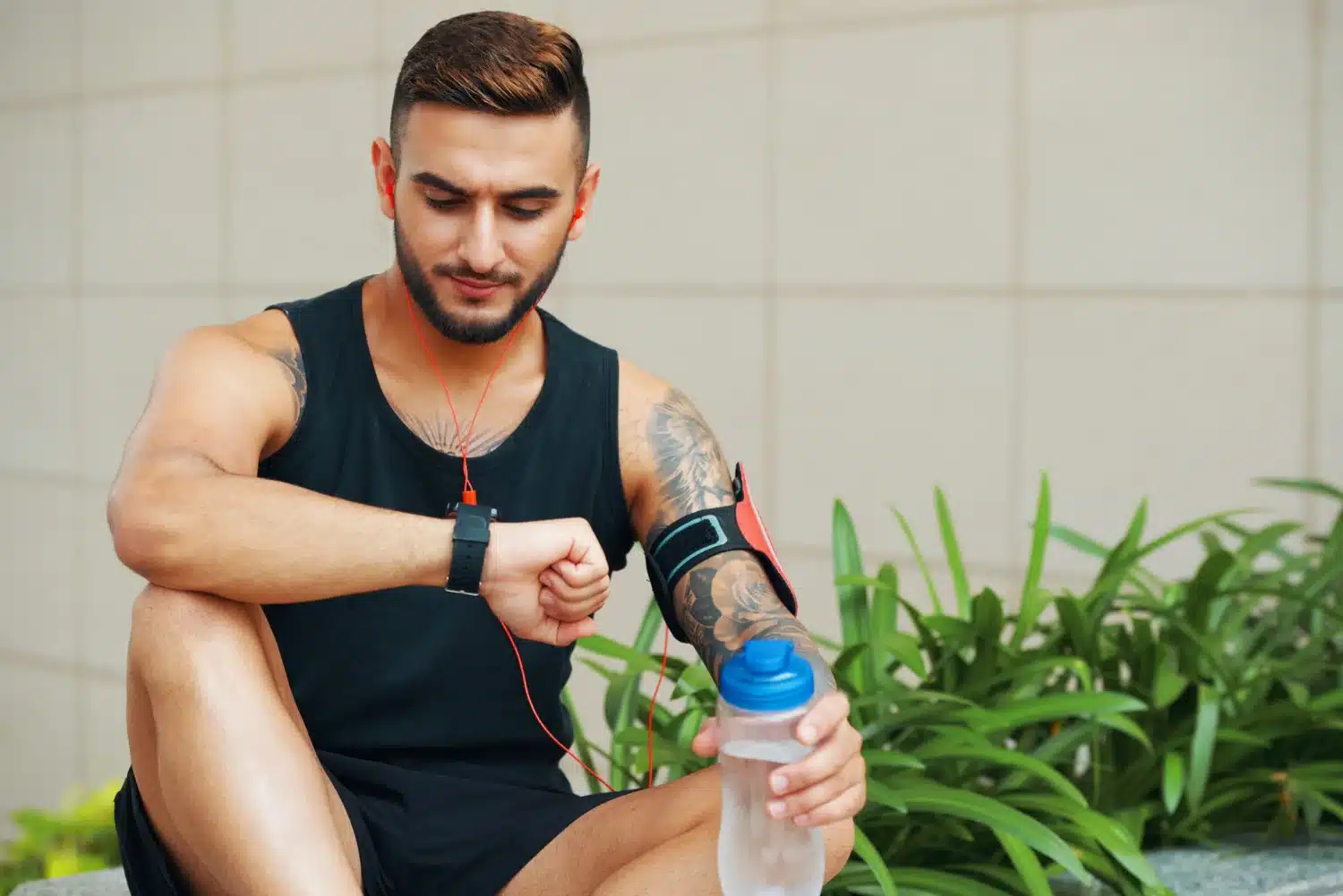
Does massage really dehydrate the body?
Massage does not directly "pull" water out of the body. However, if someone is already dehydrated, they may experience a temporary fluid imbalance after treatment. During a massage, tissue temperature may increase slightly, circulation becomes more active, muscles begin to relax, and fluid shifts around tight tissue. This is why some people feel thirsty, tired, or heavy after a session.
Some common signs that may indicate a need for hydration:
- Dry mouth
- Fatigue
- Headache
- Sleepiness
- Mild dizziness
- Muscle heaviness
Does Massage Really Remove Toxins from the Body? (A Common Myth)
One of the most common myths about massage therapy is that massage “flushes out toxins” from the body. In reality, the body has its own systems that process and remove waste products. These include the liver, kidneys, lymphatic system, and digestive system. There is no scientific evidence that massage suddenly releases toxins from muscles.
So why do some people feel different after treatment? There may be a few common reasons behind this, such as deep relaxation, reduced muscle tension, increased circulation, nervous system calming, and temporary tissue sensitivity. Some people may feel sleepy after a massage. Still, in most cases, this is part of the body's natural recovery response, not evidence of toxin release.
How much water should you drink after a massage?
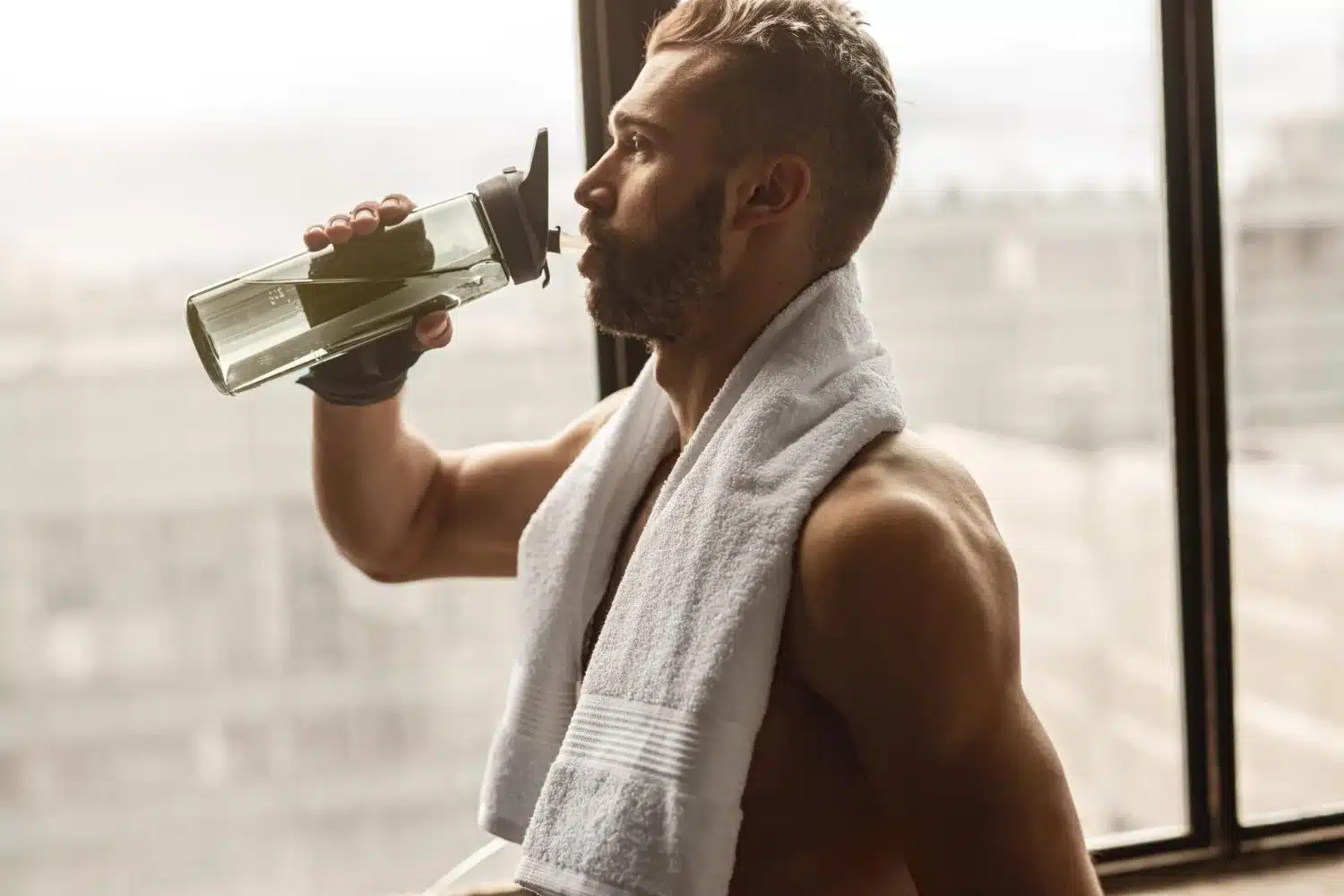
Most people do not need to drink extra water after a massage. A simple guideline would be to drink about 300–500ml of water within the first hour after the session, then stay hydrated normally for the rest of the day.
However, hydration needs vary from person to person. It can depend on factors such as body size, weather, activity level, treatment intensity, and hydration level before.
Can water help reduce soreness after a massage?
In some cases, yes. You may experience temporary soreness, especially after a deep-tissue or sports massage, which can feel a lot like muscle fatigue after a workout. Adequate hydration can help support circulation, tissue recovery, muscle comfort, and the body's overall recovery response. But soreness doesn't just depend on water. Factors such as the pressure intensity of the treatment, pre-existing muscle tension, massage type, individual sensitivity, and physical activity level may also play a role.
Can water help reduce headaches after a massage?
For some people, yes. Headaches after a massage can be caused by mild dehydration, deep neck or shoulder work, standing up too quickly, low blood sugar, or nervous system relaxation. Some simple things can help reduce the chance of a headache, such as drinking water before and after treatment, not getting a massage on an empty stomach, getting up slowly after the session, informing the therapist about sensitive areas in advance, and avoiding alcohol immediately after the massage.
Should you drink water before a massage?
Yes. Being properly hydrated before the massage can help you feel more comfortable during the treatment. Good hydration can help support healthy circulation, keep tissues responsive, reduce dizziness after treatment, and improve comfort during deeper massage work.
What drinks are good after a massage?
Plain water is usually the easiest and best option after a massage. Still, some other drinks can also help support hydration.
For example:
- Water
- Herbal tea
- Coconut water
- Electrolyte drink
- Diluted juice
What should you avoid after a massage?
After a massage, the body may need some time to settle down and begin the recovery process. For this reason, many therapists recommend avoiding certain things after the treatment, such as intense exercise, heavy lifting, alcohol, drinking too little water, skipping meals, or being completely inactive for long periods of time.
Aftercare Tips for Better Recovery After Massage
Some small recovery habits can help the body feel more comfortable after a massage.
Helpful aftercare tips can be:
- Drink enough water during the day
- Rest if you feel tired
- Eat a balanced meal
- Continue light movement or stretching
- Ensure adequate sleep
- Follow the therapist's advice
Proper hydration and aftercare after a massage can often help the body recover more comfortably. Drinking enough water, maintaining gentle movement, and listening to your body's signals can all help improve the overall treatment experience.
If you regularly experience soreness, stiffness, headache, or unusual discomfort after a massage, it may be beneficial to seek professional guidance. A qualified therapist can recommend appropriate aftercare based on your symptoms and body response.